Browsed by
Author: Anne Cassidy

Above-It-All-Ness

Above-It-All-Ness

Jet lag has finally had its way with me, waking me at 4:30 and sending me spinning out into the day. Luckily, it’s Friday and the office is still empty, the only sounds are of blowing air and my fingers tapping the keys.

This weekend I’m hoping to let all of this sink in: the green hills and friendly people, the toe-tapping music (which I’m reliving in my car thanks to a CD by the sons of a man who ran the B&B on Inishmore). All of that mixed with what awaited me on return: lots of work and crazy national news to catch up on.

I’m trying to keep the “above-it-all-ness” of travel, the feeling of joyful skimming it can give you. The cessation of normal routine; the quick, bright glimpse of a world you thought you knew but can still surprise you — your own.
Cottage Dreams

Cottage Dreams

I noticed the difference the minute we left the plane. The lilting voices were gone. I clung to the last few of them, people standing around the luggage carousel waiting for their bags. Maybe I’ll have to hang out in Irish bars, though there’s no guarantee you’ll hear a brogue.

It’s not just the Irish accent that I love, it’s also the expressions they use. “Sure and you wouldn’t be” or “just a wee bit of that now.” That Ireland produces more than its fair share of writers is no surprise given the number of talkers Ireland produces. Our cabdriver to Dublin Airport yesterday was one Rodney Robinson. Told us most of us life story in 30 minutes.

Today as I make my way to work on Metro, I’ll think of Rodney already driving. He lives in a little village in County Kildare. At 5 a.m. it only takes him 40 minutes to reach center-city Dublin. Seven hours of driving his cab (which he owns) and he’s back for a late lunch in the village, picks his kids up from school (two daughters and a son), and has the rest of the day with them. Four days a week like this and the other three his wife works in the village pharmacy and he stays home.

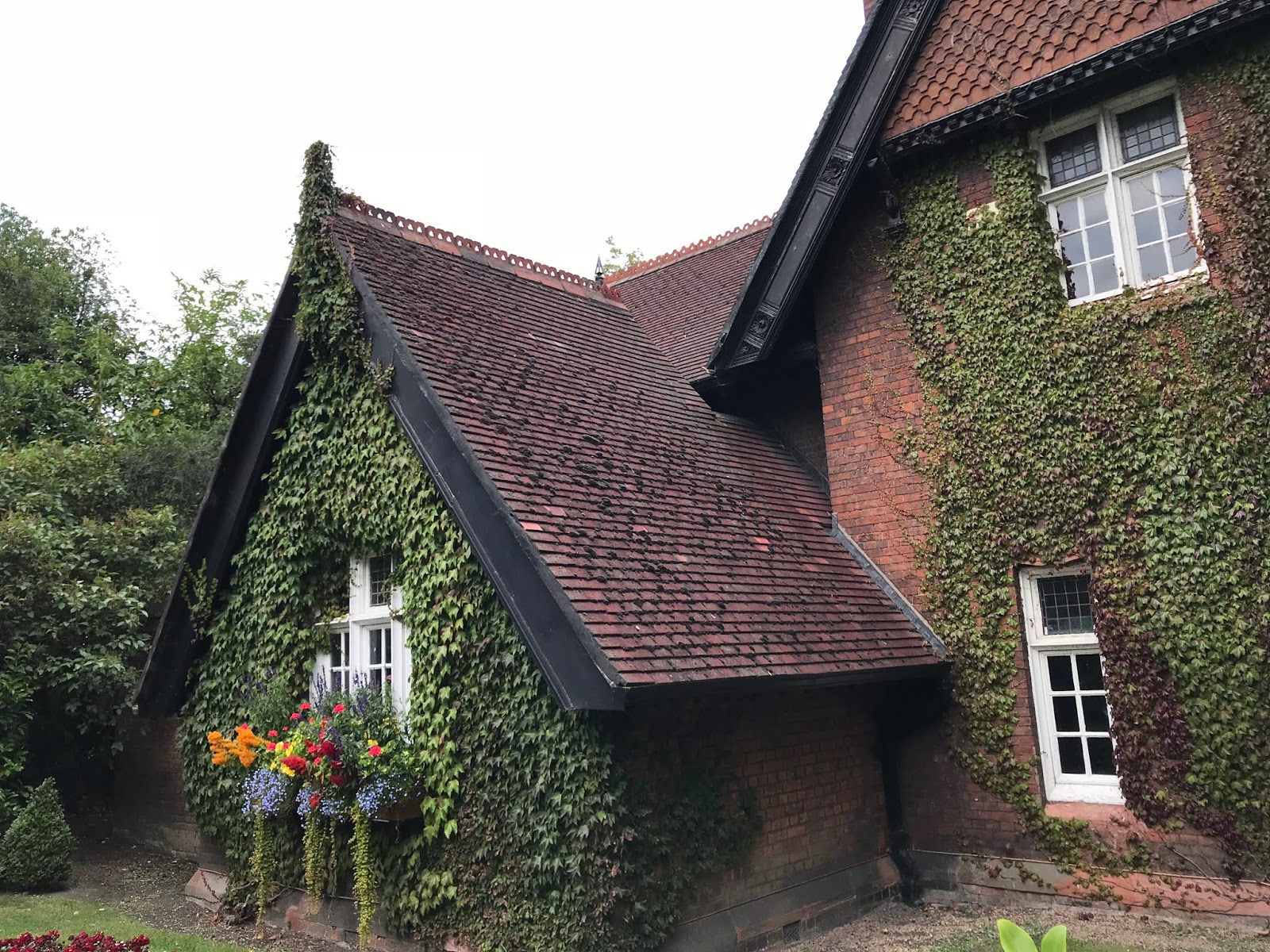
It’s a good life, a simple life, and it’s one of the Irish lives I’m thinking about today, on New World shores. Wouldn’t I love to find a cottage and try living in the Old World some day? Probably won’t happen, but it never hurts to dream.

Leaving Ireland

Leaving Ireland

I never like to leave a place, especially one as lovely as Ireland. But if you’re going to travel, eventually you have to move on. So what are we taking away from this trip?

We’ve talked about this a lot, recalling long-ago jaunts when we returned all fired up about something: living a simpler life or drinking tea from china cups.

This time it’s hard to define “the lesson.” I’d like to travel more and work less, but that’s not possible now. Finding myself taking notes during the walking tours reminds me how much I love to learn and would like to go back to school someday. Again, not possible … yet.

What will remain with me from this trip to Ireland, which was very much what remained with me from the last one, is the beauty of the Irish landscape and the warmth of the Irish people. Much has changed in the decades since I was here last. The nation is far more prosperous and modern, and there seem to be 10 times more cars on the road — all of them barreling at us down a narrow, hedge-lined lane.

But the people are as kind and funny as ever. They made us laugh. They won our hearts.

Feasts and Famine

Feasts and Famine

It’s our last full day in Ireland, and there was much left to see: the Cong Cross and the bog people at the Archaeology Museum, reading from The Dubliners at Sweney’s Pharmacy, St. Patrick’s Cathedral … and … the famine museum.

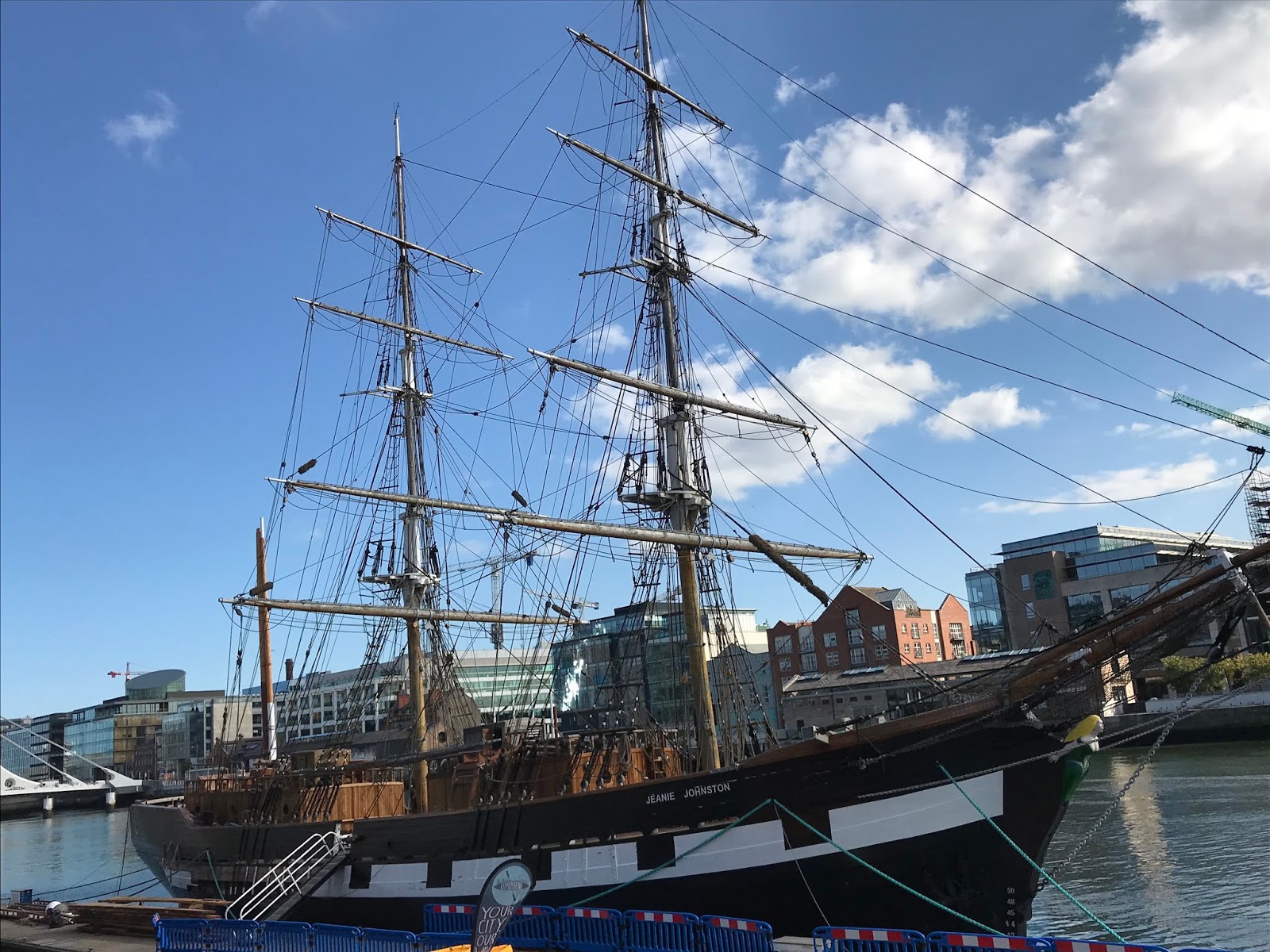
The Jeanie Johnston is a replica of a ship by the same name, a ship that carried more than 2,000 Irish emigrants to the New World, 200 at a time, people who might otherwise have perished during the Great Hunger.

The people who traveled in the Jeanie Johnston were some of the lucky ones. More than a third of those who left their homeland in so-called “coffin ships” died at sea.  But the Jeanie Johnston has a staff doctor and required passengers to spend 30 minutes on deck a day (rather than 20 minutes every two weeks). None of its passengers died at sea.

Still, the voyage was no picnic. People crammed five to a bed, ate hardtack and tried to avoid dysentery and cholera. This after a year or two of existing on a starvation diet when a blight killed the potato crop.

It was a sobering reminder of the agonies they and so many (including my relatives) endured to reach the United States. And it made me appreciate all the more the lovely feasts we’ve had on this vacation.

Ancient Manuscripts

Ancient Manuscripts

Dublin has treated us well so far. Apart from a few showers last night (conveniently timed for our walk home from the pub), we’ve had blue skies and reasonable temps for our first day in Ireland’s capital.

It’s a compact place, with history everywhere, even when you don’t expect it. We were having a bite to eat before visiting the Book of Kells, the ninth-century illuminated manuscript of the Gospels. Turns out, the bite to eat was at the Chester Beatty Library, which I read about as I ate a yummy salad plate of carrots, hummus, grape leaves, tomatoes and cucumbers.

Chester Beatty was an American collector and expat who donated his remarkable library to Ireland. It contains treasures that rival if not exceed the Book of Kells, including fragments of papyrus on which is written some of the earliest known copies of the Epistles of St. Paul.

To see the Book of Kells requires standing in several queues and jostling with others to even catch a quick glimpse of the manuscript. But at the Chester Beatty collection I stood alone, almost in tears, in front of the Letters of St. Paul to the Corinthians.

Had I been able to decipher the Greek, this is what I would have read:

“Love is patient,
love is kind,
it does not envy,
it does not boast…
Love does not delight
in evil but rejoices in the truth.
It always protects,
always hopes, and
always perseveres.”

(Top photo, a map of the world from the first modern atlas, 1570, from the Chester Beatty collection. Above, books in the Long Room at Trinity College, Dublin.)

Rock of Cashel

Rock of Cashel

Home to the ancient kings of Ireland and reputedly the place where Saint Patrick baptized one of them, the Rock of Cashel looms above the fertile green fields of Tipperary. Though it  has been an important site since at least the fifth century, the buildings that remain are “only” from around 1101.

Ten days in Ireland has made me less likely to use quotation marks around that “only.” The old ring forts of Dingle are 2,000 years old, for example. But I don’t want to become an antiquity snob.

So I stood today in the ruined cathedral and looked up at Saint Patrick’s cross, the round tower and and the blue sky through what’s left of the cathedral windows. I let my mind run free, back to a dimmer, grimmer time, one of stone and chisel, blood and smoke.

Kinsale

Kinsale

It’s not even 100 miles from Dingle (which I loved) to Kinsale, but what a difference. There’s the weather, for starters, which is just the luck of the Irish. Though we arrived in mist, rain and fog, we’ve had a glorious day here, all sunshine and 70s. The water has been dancing in Kinsale Harbor and we’ve been peeling off layers as we walk.

A walk around town, then a hike out to Charles Fort, a British garrison for more than 300 years. Kinsale is a town quite essential to Irish history, where a decisive battle was lost in 1601 that eventually led to a divided Ireland and what the Irish call “the Troubles.”

But it is also a place that’s embraced modernity more than some of the others we visited. Just voted the best foodie town in Ireland, it’s a sophisticated melange of pubs and wine bars. 

Most of all, like all of Ireland, it’s drop-dead gorgeous.

Courthouse Pub

Courthouse Pub

The guitarist wandered in with two cases and what seemed a permanent scowl on his face. He had gray dreadlocks and sandals on his feet.  One of the first things he did was knock his guitar over.

“That’s the guy who played at St. James last night,” said a fellow pub-goer. “Only that night he wasn’t wearing shoes.”

Oh, man, I thought. What are we in for?

What we were in for was some of the most inspired, toe-tapping, goose-pimple-raising Irish music I’ve ever heard.

The dreadlocked and sandaled one was no other than Steve Cooney, who’s played with the Chieftains, Altan and other primo Gaelic groups. According to barstool neighbor Tom O’Connor, he is the adopted son of an aboriginal chief who grew up in Australia and moved to Ireland in 1980. He was also briefly married to Sinead O’Connor.  A quick glance at Wikipedia confirmed all of this. (It also confirmed that no one is ever married long to Sinead O’Connor.)

That’s neither here nor there, though. All that mattered was the driving rhythm, the concertina player (whose name I never caught, perhaps equally famous?) who added the melody … and the end result, which was pure heaven. All in one night at the Courthouse Pub.

Past is Present

Past is Present

What would it be like to live where the past is present, where you can visit an Iron Age fort or a beehive hut, drive along ancient routes and savor timeless views?

It would feel like living here, in the west of Ireland.

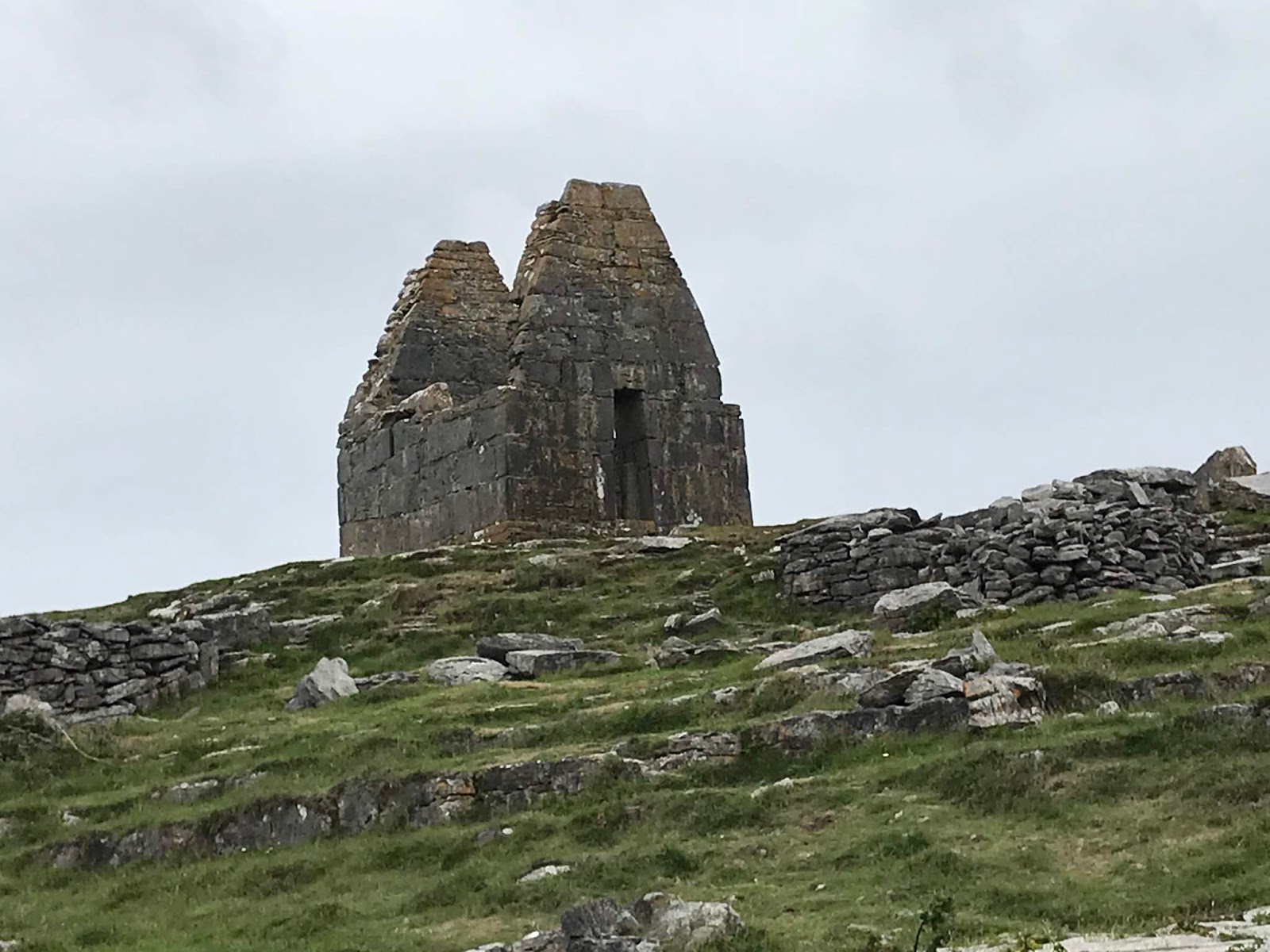
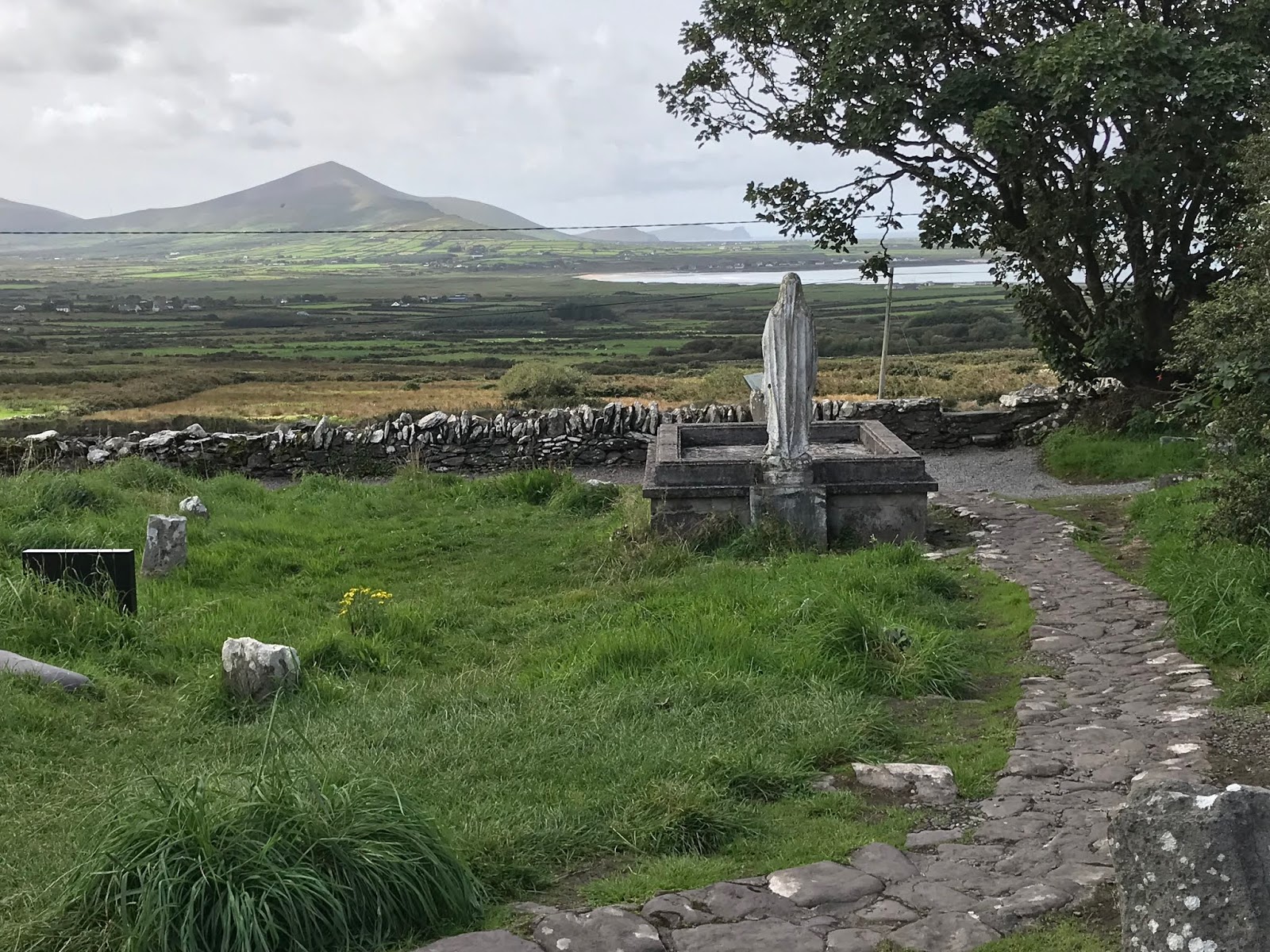
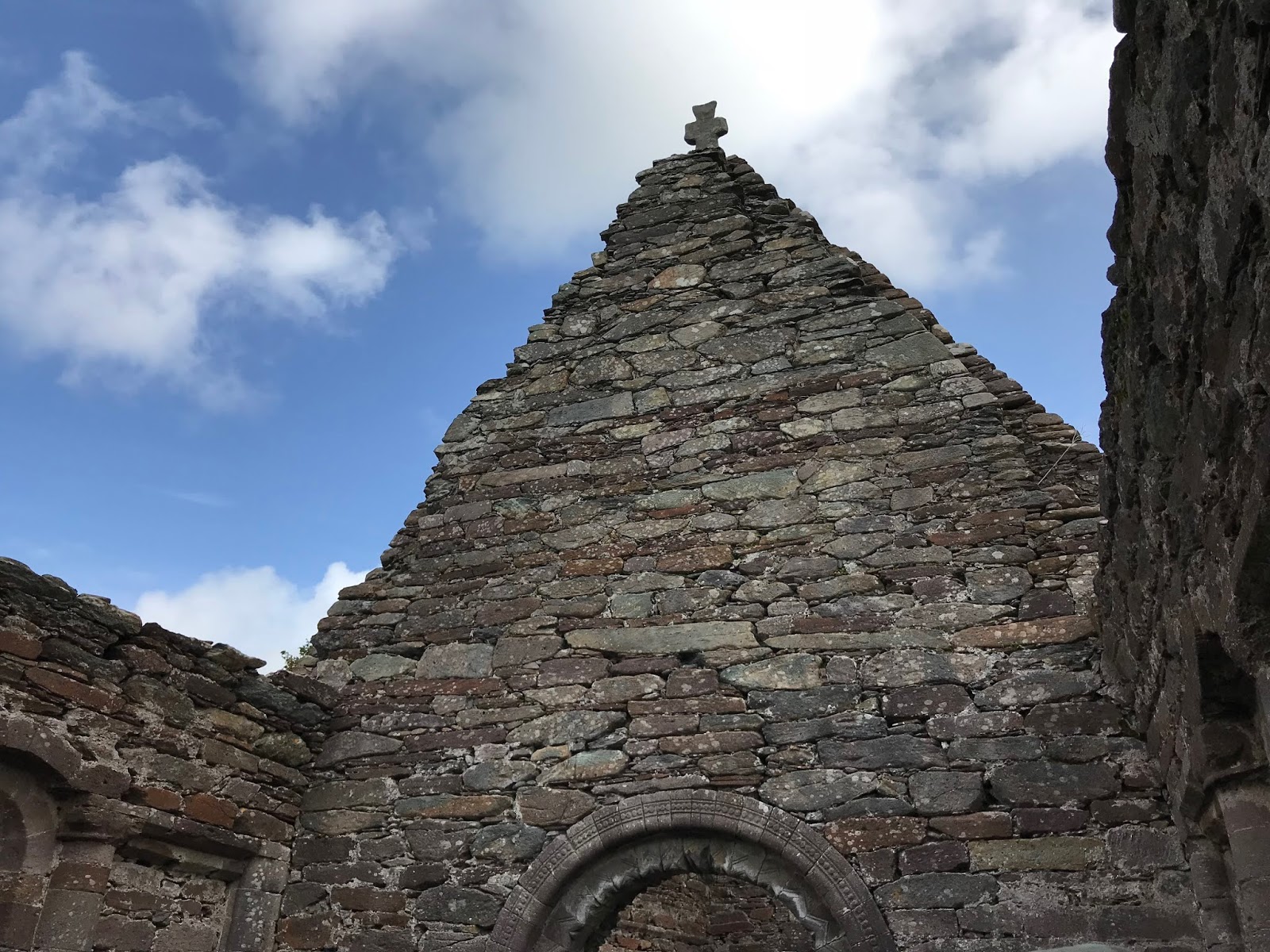
Take Kilmalkedar, a 12th-century Irish church built with stones that had been around for centuries, some of them with the ancient ogham script. It was built on an important monastic site. After the roof caved in hundreds of years ago, people began burying their dead inside the church, a practice that practically guaranteed one entry into heaven.

Speaking of heaven, what would it be like to love the place you live so much that you give tours of it.  Makes me think about place and some people’s devotion to it, which very much gets me back to why I started this blog.

To walk through the landscape and write about it, and in writing about it to belong to it.

Here, that process is not as labor-intensive.

Dingle Town

Dingle Town

We arrived here last night, driving through the Connor Pass. It was not for the faint of heart and definitely not for the faint of heart during a driving rain — although one advantage of the driving rain was that we couldn’t see the extent to which we were hanging off the side of a mountain.

All was forgiven when we reached John Benny’s Pub, with its Guinness beef stew, Irish cider and traditional music (guitar and concertina played by a young woman who closed her eyes in rapture as her fingers slid across the keys).

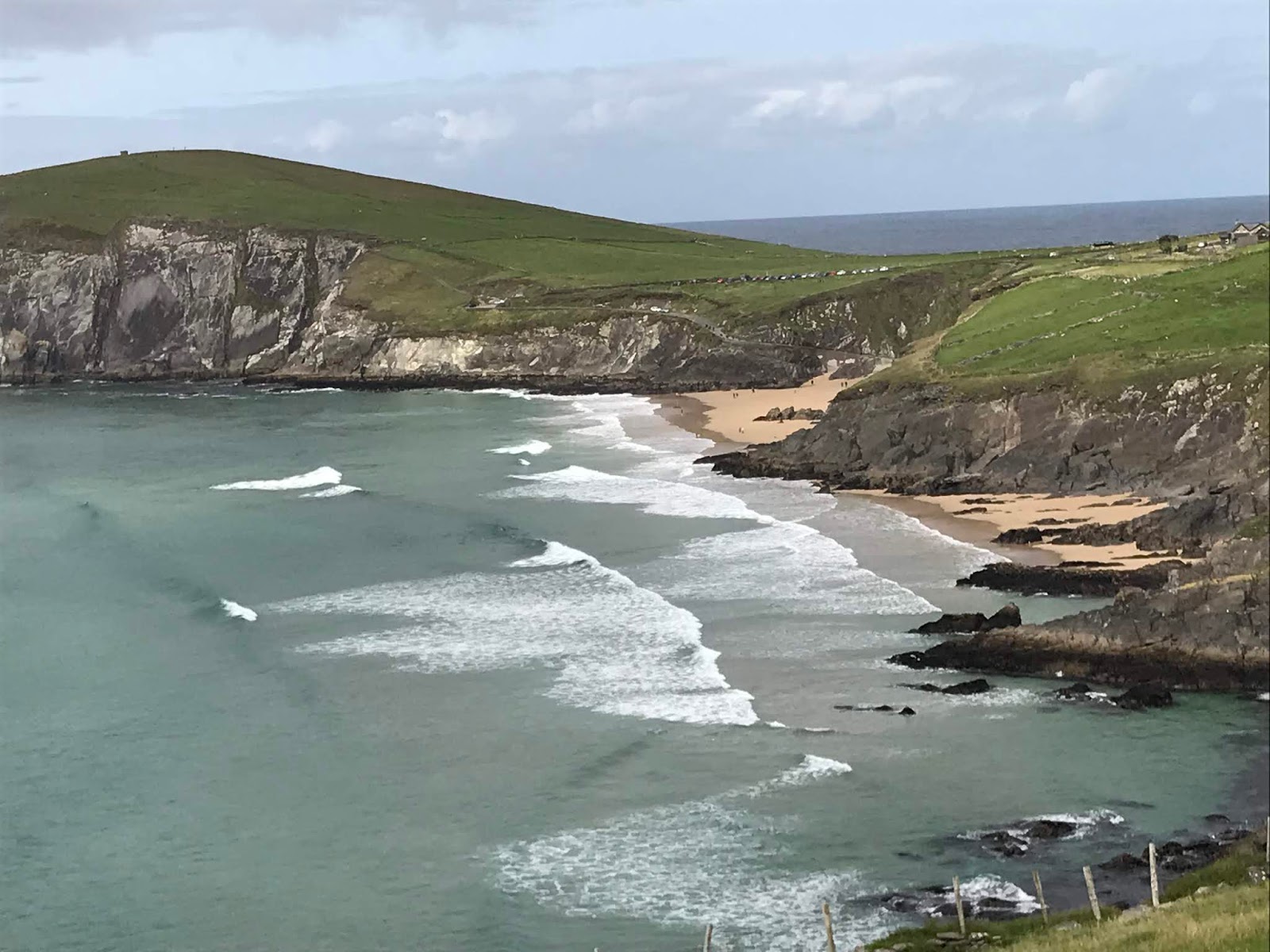
Today dawned bright and clear, an Irish rarity, so we could see the Blasket Islands and even Skellig Michael off the Kerry Coast as we drove around Slea Head.

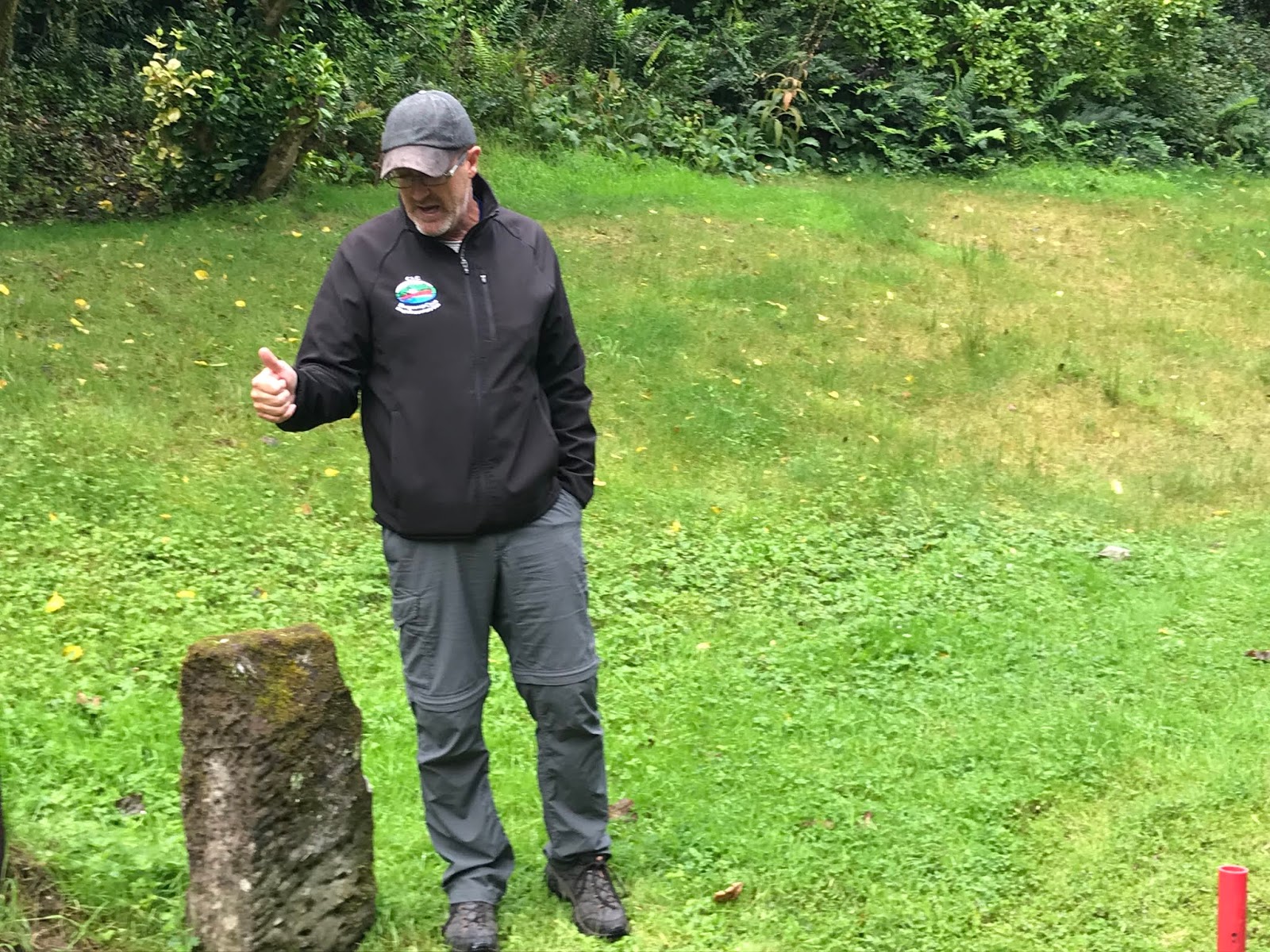
Beehive huts, ancient monasteries, baby lambs and so many facts from our tour guide Michael Collins that my fingers were flying just to take it all down.

Afterwards, lunch in the Strand upstairs tea room with a local vibe that felt like we’d gone back in time at least 50 years.

Dingle Town: Sign me up.