Browsed by
Author: Anne Cassidy

Garden in Autumn

Garden in Autumn

Yesterday I took a midday walk in balmy D.C. The trees were turning enough to remind me it’s fall and not late summer. The air was that way, too. Warmth without weight, which meant I kept taking off my sweater and putting it back on again.

In the botanical gardens a group of schoolchildren played on the lawn. They were clad in red t-shirts, and were running back and forth, panting and laughing, following the instructions of their teacher. “O.K. This time I want you to find a partner and run together.”

A few steps away was the rose garden. I sniffed around for the most aromatic flowers and found a couple that made me inhale long and deep.

Apart from the roses’ pinks and yellows, the rest of the autumn garden palette was a muted one: lavender asters, russet leaves and the fuzzy fronds of tall grasses.  It was a faded look, mellow and complete.
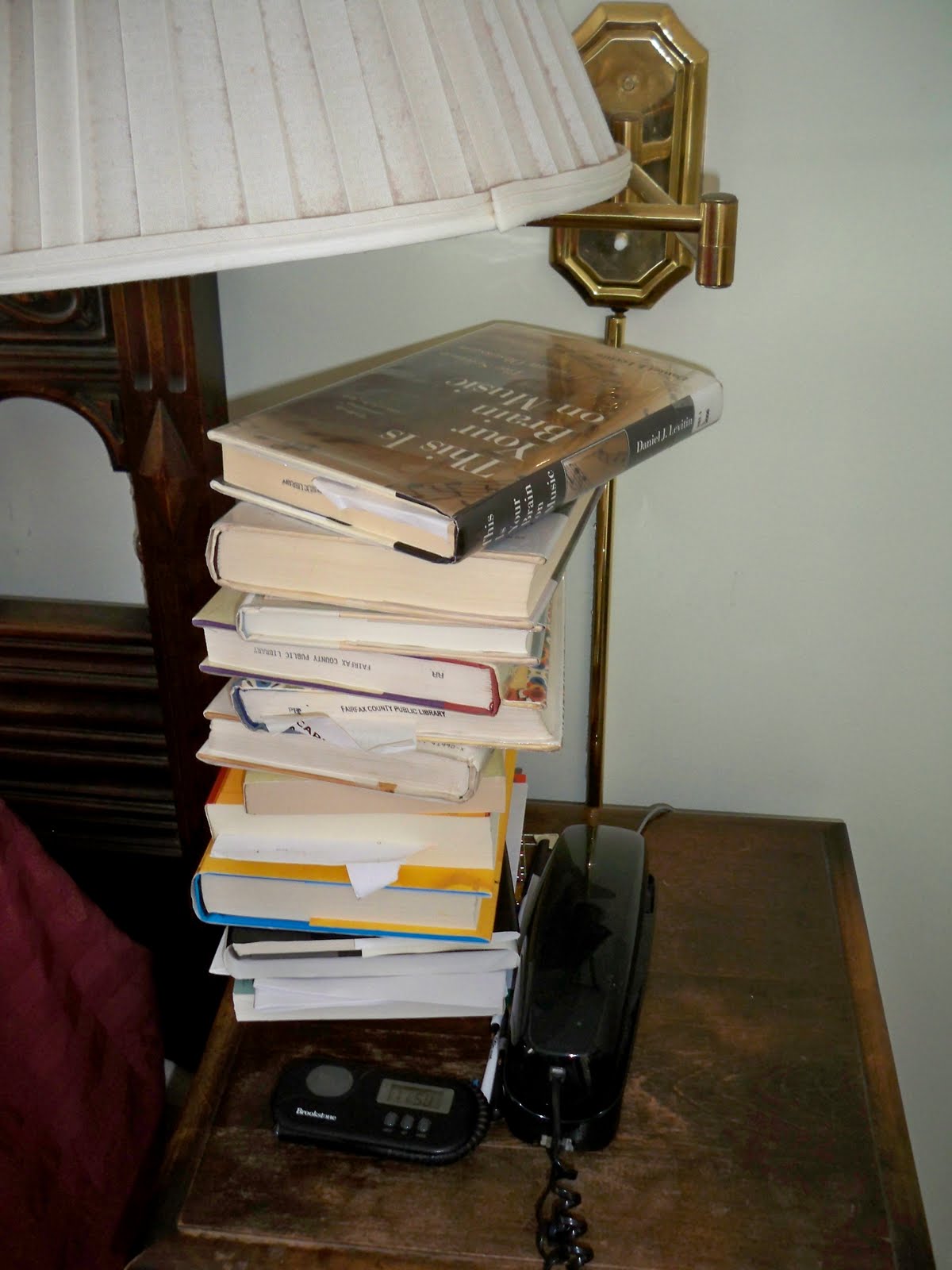
Leaning Tower of Books

Leaning Tower of Books

Thinking about the books and magazines I grew up with — and the ones my children did, too. Bookcases stuffed full,  nightstands spilling over, newspapers strewn across the kitchen table. My grandfather had a reading stand so he could prop up the paper and scan it as he had breakfast.

Reading is a solitary act with social potential — especially, I think, when the written word is on paper and more easily shared. When kids see their parents reading they are more likely to read themselves. But what happens when the words are on a device, ephemeral and inconstant?

I guess it makes the kids want the device, and this is undeniably true. But how do we measure the effect of the device itself, and the fact that it can be everything — book, magazine, newspaper? How does this change the reading equation?

There are answers here — and one day we will know them.

Retracing My Steps

Retracing My Steps

My office key is lost. It must have slipped off the new lanyard I picked up yesterday. A lanyard that apparently didn’t fasten properly.

Meanwhile, I have walked up and down hallways and sidewalks and garage corridors, retracing my steps. What a concept — retracing one’s steps. Going back over what was done before. Ultimate inefficiency.

Or is it? Perhaps a mindfulness exercise could consist of just this practice, walking back over what I walked before, looking for what wasn’t seen previously, realizing that instead of being present in the moment of walking, I was actually daydreaming, fretting, letting the scenery pass in a blur.

As it turns out, I did find something. Not my key but a colleague’s identification card. If I found her card, maybe she — or someone else — found my key. And in this sideways, sliding, inefficient way, we will all be rescued somehow.

(This photo from outside Medora, North Dakota, has no relevance to retracing my steps. I’ve just been wanting to use it.)

Drowned Roses

Drowned Roses

The living is easy for first-bloom roses. Born in late May, days
past the last frost-possible day, they inherit late evenings, balmy air and no Japanese beetles. They can look forward to a long,
splendid life. (That’s in rose years of course.)

 But second-bloom roses emerge when the sun tilts lower in the sky, when the nights become
nippy, and — this year, at least — when autumn rains mat the grass and rattle limbs loose from the tall oaks.

They may not always hold their heads up like their spring brethren. But they should. Theirs is the harder lot.  Second-bloom roses are the bravest.

Sounds and Comforts

Sounds and Comforts

It’s 48 degrees outside and 65 in the house. I have nothing I have to do today, no place I have to go. I’m hoping the rain slacks off enough to take a long, brisk walk. It’s been a while since I’ve contemplated the passing landscape with hands tucked up into my sleeves.

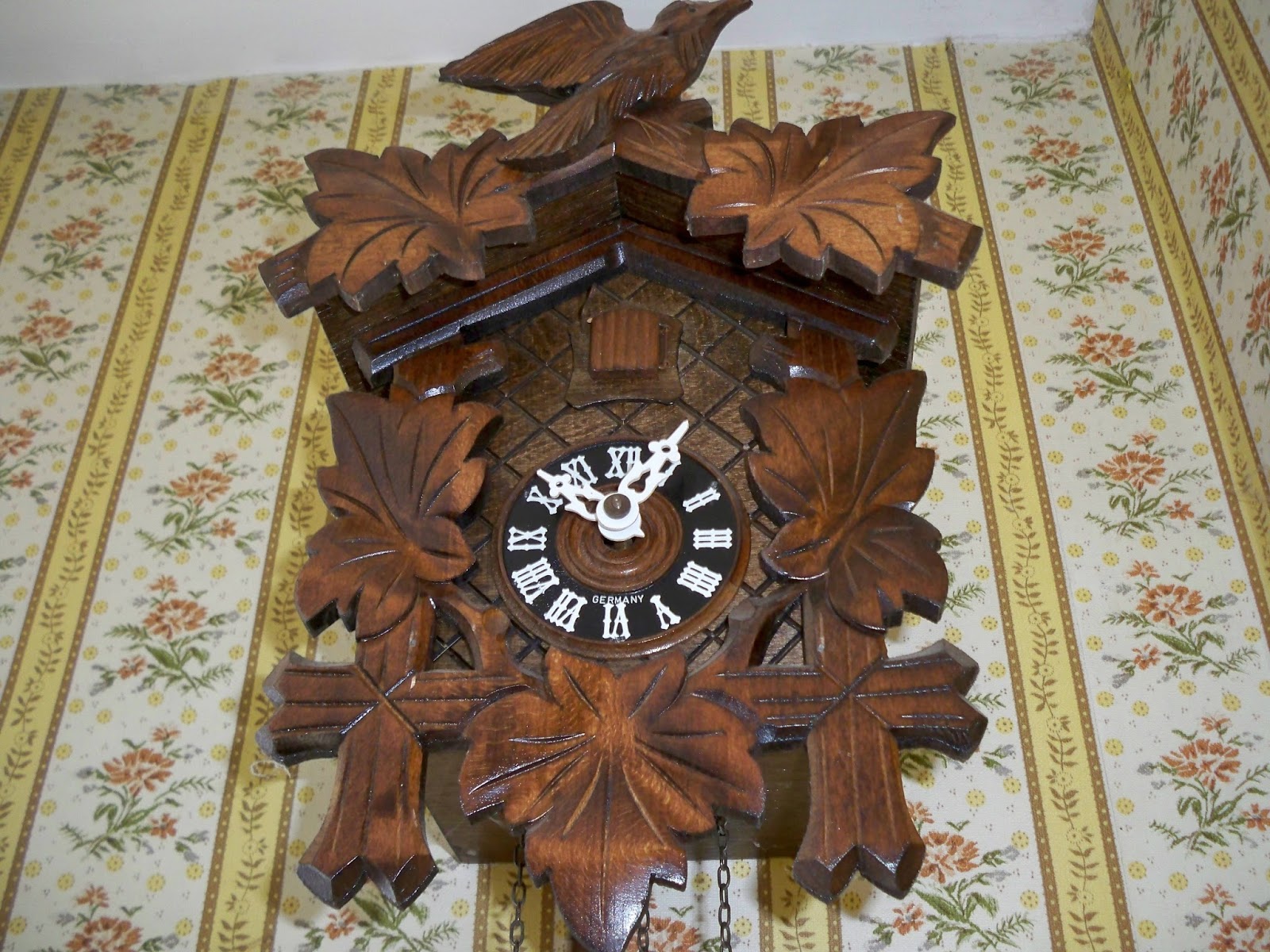
Until then, I’m enjoying the quiet morning, the hum of the refrigerator and the ticking of the cuckoo clock the only sounds I hear. Piles of books and papers on the coffee table, a pot of tea brewing in the kitchen.

Perhaps the reason we appreciate the everyday more as we grow older is because we have learned how uncommon it can be. Days when nothing is expected of us. The comforts of home.

Battening Down

Battening Down

Actually, I have done little of this. The rocking chairs are inside and the rest of the deck furniture is too heavy to blow away.

I’ll collect some extra tap water tonight, keep it around in pitchers and bowls. And I’ll check the basement frequently to see if rain is seeping in.

Beyond that I’m planning to clean, organize and watch movies.

It’s blizzard mode, only with rain instead of snow.

Pushing “Publish”

Pushing “Publish”

You know you are busy when you haven’t heard that a hurricane is heading your way. And more to the point, you know you are busy when you fail to write a blog post two weekdays in a row.

But when one of those days consists of driving from Lexington, Kentucky, to Washington, D.C., working for five hours and then driving home in torrential rain — well, that doesn’t count. And when you start behind the next day because you had to get a little sleep — well, that doesn’t count either.

Not that any of this “counts,” of course. All of it is self-imposed. My own schedule, my own project. But it is a project of the heart, and as such must be given its due.

So today I’m taking no chances. It is barely 5:30 a.m. I’m pushing the “publish” key.

Eclipse

Eclipse

I missed the moon in its blood-red rising. By the time I caught up with the orb, it was higher in the sky. This is better than I anticipated. With cloud cover for most of the day, it was unlikely I’d see much of the moon at all.

But the clouds provided a soft-focus backdrop and the moon glowed brighter than I had seen it shine in a long time.

I think the eclipse had already begun when I took this shot. The moon was just starting to disappear — though behind clouds or earth’s shadow — or only in my own imagination — I could not tell.

Of Loss and Reminders

Of Loss and Reminders

Yesterday the law school where I work lost a dear and long-treasured colleague. My office was responsible for pulling together the announcements of her death and building the In Memoriam page to record the notes that began pouring in the moment people heard of her passing.

This morning I was reading these lovely tributes. Over and over again they testify to what matters in life: the care and concern for others. This was a woman who touched everyone who knew her. She was always there with a laugh or a roll of the eyes. She was not smooth and perfect; she could be as frazzled as the rest of us. But she kept on trying until the end.

I notice that the comments come from a complete strata of the place: from the childcare center and  the board of visitors, from the library and the accounts office, from the student life people and the professors.

When someone this good goes (and long, long before her time; she was only 45), there is a huge void. And in the void there is a reminder: This is how to live your life.

Papal Aura

Papal Aura

It is difficult to know that the Pope, the bishop of Rome and shepherd of the Roman Catholic Church, will be speaking less than a mile from where I’m sitting now and there’s no way to be present for it.

Even being on the West Lawn of the Capitol to see the Pope on Jumbotron is not an option. Those tickets went in less than an hour.

So this morning I’ll watch via live stream on my computer as the Pope address the U.S. Congress. I’ll sit quietly and absorb the papal aura. Watching clips from his appearances yesterday it’s hard to be unmoved by the outpouring of love and admiration for the pontiff, and by his smile and jauntiness in return, by his relish for the crowd and his appreciation of the American spirit.

Already some have attributed a stateside miracle to His Holiness. Roads are empty, Metro cars, too. The Pope has given us what we thought was impossible: an easy commute. If he can do this, who knows what else he can accomplish?