Browsed by
Author: Anne Cassidy

Call to Home

Call to Home


Yesterday I had lunch with two researchers whose work I’ve been following for several years. They are looking at what the social science community calls “return migration” and what poets call “going home again.”

In the course of our conversation, I learned about a book, Call to Home: African-Americans Reclaim the Rural South, by Carol Stack. This morning, I looked up that book, and I found these words:

“Many millions of Americans lack a place to go home to. Their families are no longer rooted in a particular piece of American ground, or never did put down such roots. Generations of migration have taken their toll.”

Needless to say, I will be reading this book.

We Weren’t Always This Way

We Weren’t Always This Way


This morning I turned on my Macbook at home, sent a quick email. Then I came into work, turned on my Mac with its big wide screen and its shiny silver base. And then there’s my sleek little iPod and the iPhone that I’m planning to get soon. I thought back to the first Mac I used, a MacPlus was it? It was the computer Tom bought before we were married. I had used a computer very little before. The Mac was my first computer and for most of my computing life it is been the only kind of computer I’ve used.

Which is all to say that Steve Jobs is in my life, as he is in so many lives, and that when I heard the news last night that he had died of cancer, I felt like something big had shifted in our world.

I also noticed, when reading Jobs’ obituary this morning in the Washington Post, how many of his inventions — items that now seem like they’ve been around forever — are very new. The iPod in 2001, the iPhone in 2007 and the iPad in 2010.

We have not been digitized and Mac-ified forever. Only in the last few years have we been buying our gadgets in stores without counters and walls. Like any good idea, Jobs’ ideas have been so elegant and significant that they’ve erased the memory of what came before.

Stampede!

Stampede!


Most of the time we commuters behave ourselves. We move orderly from one conveyance to the other. But every so often something rials us up. It might be the sound of an oncoming train as we alight from our connecting line. We need to make this next train. We will be late otherwise. So what begins as a brisk walk becomes a trot and then finally a full-tilt run.

We dash down the stairs at Metro Center (the escalator is usually under construction), racing for what we think is the Orange Line to Vienna. Turns out, it’s the Orange Line to New Carrolton, the wrong direction. But at least we’re down here waiting, standing at our appointed spots. We are ready.

The funny thing about this behavior is how contagious it is. All it takes is one eager commuter to set us all off. It reminds me of a herd of cattle I once saw outside of Cody, Wyoming. We were driving back from our big trip west with the girls, and on the way out of this wonderful town we were caught up in a swirl of cattle, cowboys and dust. It was like being part of a great roundup — even though we were driving a minivan. But it gave me the feeling of being caught up in a great sweep of animal energy, moving forward just for the sake of moving forward.

Pity the suburban commuter, dashing from car to car, startling at the sound of an approaching train, all to save a minute or two. We are creatures of habit, members of the commuting herd. Our great brains are idling; we operate on instinct only.


W.H.D. Koerner, Cattle Stampede

Emancipation

Emancipation


The Lincoln Cottage sits on the grounds of the Soldiers’ and Airmen’s Home in a quiet section of northwest D.C. It is one of the highest spots in the area and three miles north of the White House. The summer home of President Abraham Lincoln and his family, it was the “Camp David” of its day. Lincoln spent 13 months, a quarter of his presidency, here.

While his wife and children spent most of their summers at the cottage, Lincoln commuted to the White House by carriage or on horseback almost every day. The ride was dangerous; he survived at least one assassination attempt en route and often refused a military escort. But he craved the quiet that the cottage (and the commute) provided, so in this, as in so many things, he persevered.

Here the president would wrestle with battle strategies, conscription questions and other issues. And, most importantly, here he would draft much of the Emancipation Proclamation. Not with pomp and circumstance but quietly and piecemeal, on scraps of paper that his valet William Slade collected and placed in a large wooden desk.

Was there something in the nature of this house and land that gave Lincoln the perspective and courage to change the course of American history?

Historians cannot answer this question definitively, but to visit the site now is to feel a strength and stillness that wells up from within. It is not hard to imagine that the cottage and grounds stirred Lincoln in ways that places sometimes can. Above all, the home was a retreat, a secondary landscape where Lincoln could ponder problems from a different perspective.

Place and creativity are bound together in ways we are just beginning to understand.

Then and Now

Then and Now


Yesterday I braved the rain long enough to dash out to an art exhibit at an old schoolhouse in our neighborhood. While I was looking at collages and watercolors and oils, I was imagining what it was like to learn the three Rs in a two-room schoolhouse (first through fourth in one room; fifth through seventh in the other); a pot-bellied stove for warmth, big tall windows to let in the light. The building hasn’t been a school since 1931, but it became a clubhouse for the Vale Home Demonstration Club. A modern version of that organization, the Vale Club, still holds fairs and bazaars and other events in the building.

A woman working at the exhibit told me that several years ago a former student had come by. “He told us all about the place,” she said. “But he just passed away.”

The school still stands, though, in large part due to the dedication of those who loved it enough to find other uses for it. In March, the Vale Schoolhouse earned a place on the Virginia Landmarks Register.

The buildings that link us to the past are a precious and limited commodity, but often we are too busy to learn their stories.

photos appeared in Oakton Patch 3/29/11

Acquainted with the Rain

Acquainted with the Rain


Waking up to another rainy day this morning, these lines of Robert Frost’s come to mind:

I have been one acquainted with the night.
I have walked out in rain — and back in rain.
I have outrun the furthest city light.

It’s a dark poem for a gray day.

Wondering if I’ve overlooked the sun or if we really have had an especially rainy, gloomy September, I consulted the Capital Weather Gang. One of their articles tells me that it’s been one of the soggiest, cloudiest Septembers on record — only four days with more than 50-percent sun. And that article was written September 21.

It reminds me of weather forecasts for England and Ireland when I’ve visited there. “It will be cloudy, with sunny intervals.” An interval lasting, oh, about ten minutes or so.

This weather is a test of our mettle, of our ability to keep a sunny state of mind while daily being deluged with the opposite.

Mall Walk

Mall Walk


Walking down the mall in D.C. yesterday at lunch time (and asking myself why I don’t do this at least once a week, it is so uplifting) I pass a woman who spots the steep, imposing steps of the National Gallery and starts to sing the “Rocky” theme song. Her husband quickly picks up the melody while their children stare in confusion. They don’t know how lucky they are.

I follow a mother and her toddler. She lets the little guy run a few steps ahead of her then “races” to catch up to him. He cackles with laughter. Later, I fall into step with a group of kids and their staff, hurrying through an intersection. They count down with the “Walk” sign as they cross the street.

The sun is out, even though it (inexplicably) sprinkles for a few minutes. But not enough to open an umbrella (good because I didn’t bring one) and never enough to impede the big show, the spectacle that awaits me at the end of the mall, something I had forgotten about but remembered as I closed in on the Washington Monument. It was the rappelling engineers, inspecting the monument for structural damage from the earthquake and looking at first, from afar, like large ants crawling on the side of the structure. They had tethered their ropes to the top and were bouncing off the sides.

It was the biggest show in town. All around me people whipped out cameras and binoculars. I had none of these, but I won’t forget the sight of human beings dangling from that obelisk. They looked impossibly daring, impossibly free.

Typos

Typos


Yesterday was busy. I had my class and plenty of work and an errand to run at lunchtime. It wasn’t until this morning that I noticed yesterday’s post, about how we’re in no hurry for the cool, sharp weather of “all.”

Ah, the typo. Bane of our existence. There are the funny ones, like the time our magazine, Bluegrass, misspelled the name of an advertiser, Mrs. Farthing. (I’ll let you figure out which letter was missing.) That one was legendary. Even the local radio announcer gave us a hard time on that one.

The thing about typos now, though, is how easily they can be corrected. If I notice a misspelling or an inelegance in the blog, I just slip in and fix it. Online publishing, then, softens the rigidity of the written word. But removing the permanence also removes the power.

Early Showers

Early Showers


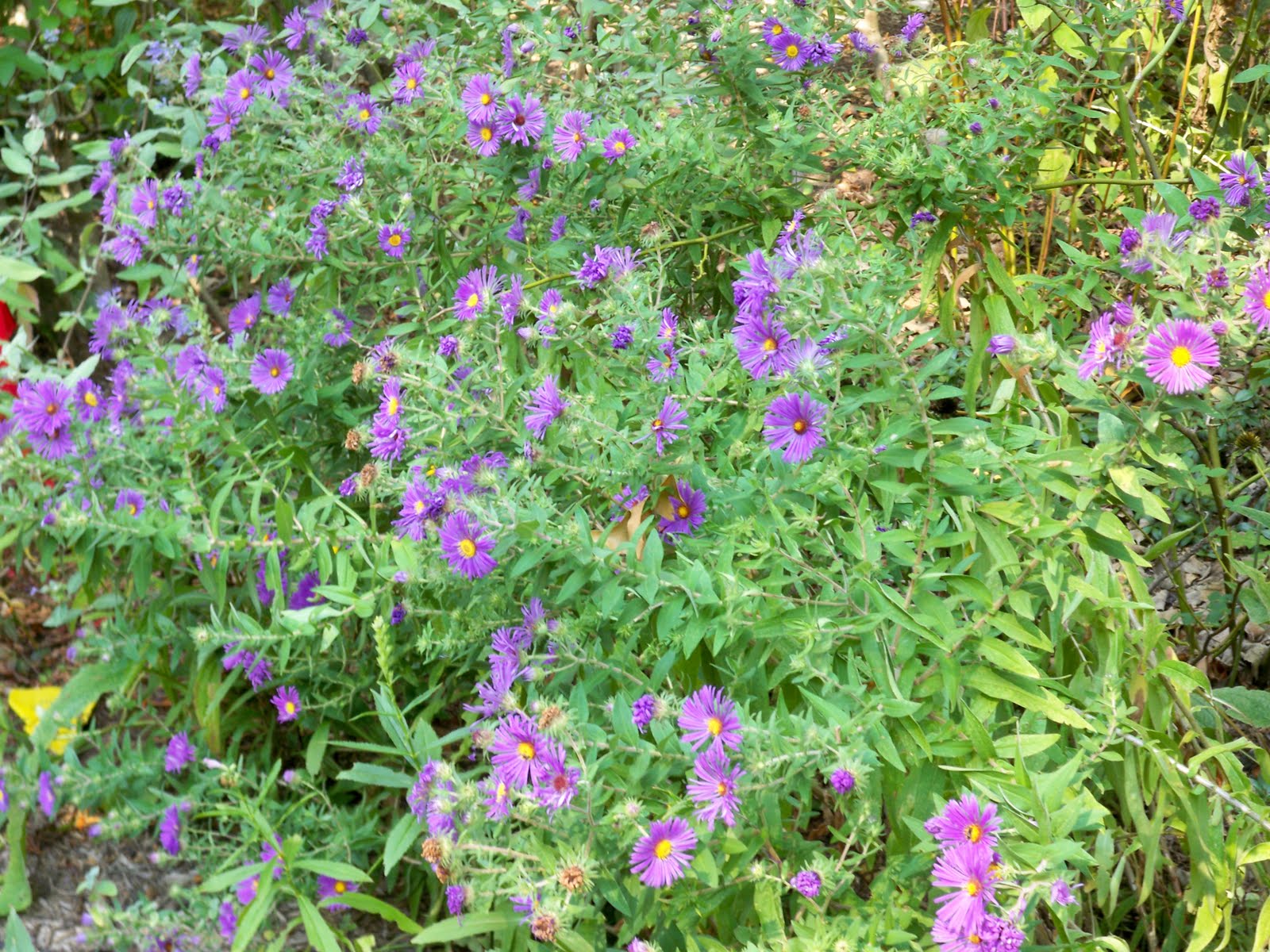
Consider the flowers of late summer. They are both delicate and strong. They bloom as if there is no end to summer. And their friends, the mushrooms, mimic their bravado. Look at us, they say. We’re pretty too.

It is another cloudy, humid morning, only this time with a rumble of thunder and a patter of rain. We are damp and clammy here. We have our windows open and our minds, too. We are in no hurry for the cool sharp weather of fall. We are in a lull, a gracious interlude, and I for one am glad of it.

Right Turn

Right Turn


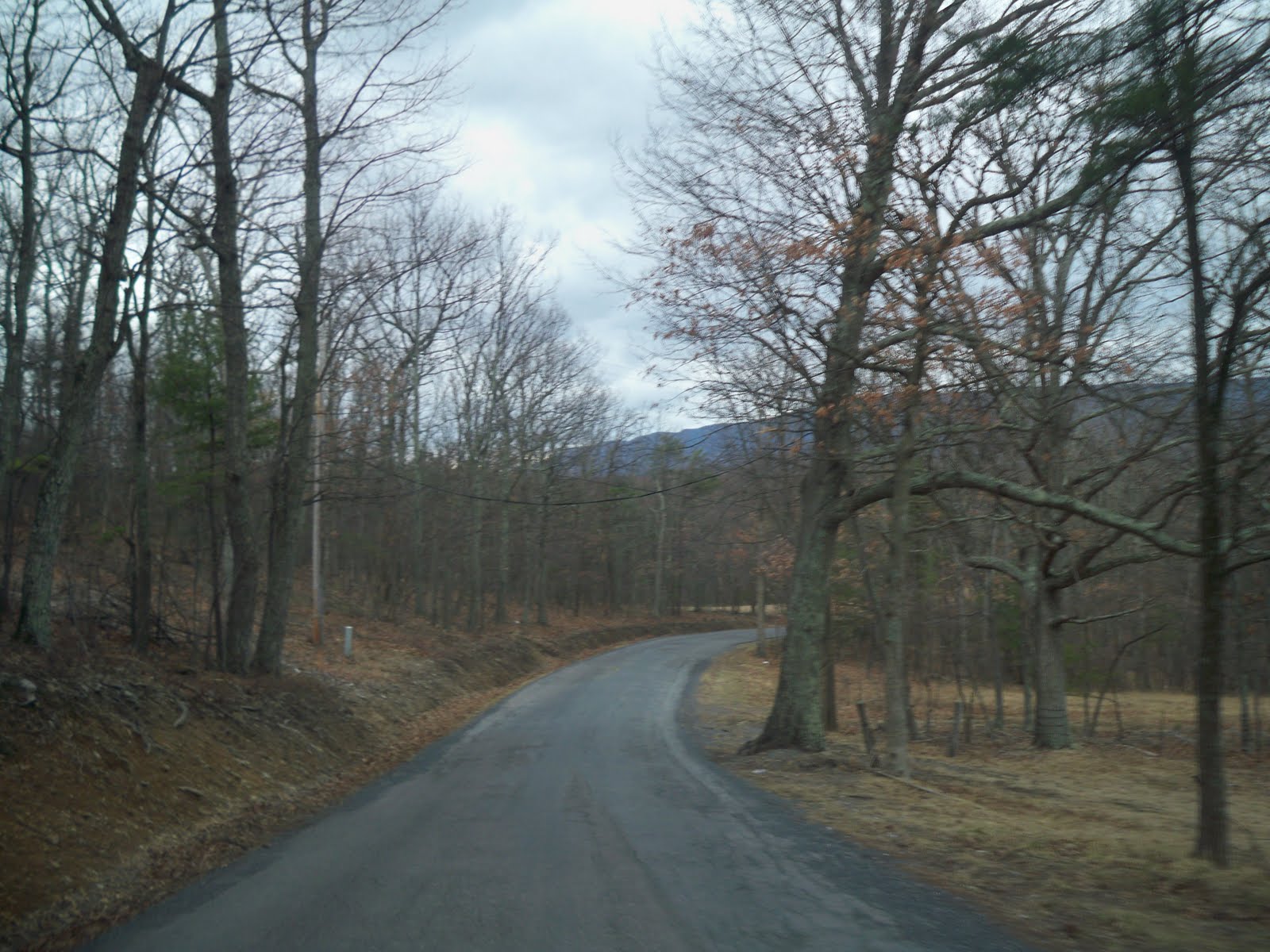
Yesterday I drove down a street I’d never driven before. I turned right instead of going straight, and I was in … the country.

In many parts of Fairfax County there are vestiges of the old mixed in with the new. My first view to the left was a green field and a barn, a scene I pass every day but from another angle and therefore completely altered. It made me think about the scale of times past, houses closer together and right on the road, as if leaning in to tell secrets.

The lane narrowed as I drove until, at the end, I could scarcely turn the car around. With each leg of the passage, I felt myself being drawn further back into Oakton’s past. It wasn’t a bad trip.