An early morning walk: crows, robins, jays, a red-winged black bird. At one point a plump bunny hopped through the dewy meadow grass. The air was thin and clean. It made me think of a Robert Browning poem I used to read the girls:
The year’s at the spring And day’s at the morn; Morning’s at seven; The hillside’s dew-pearled;
The lark’s on the wing; The snail’s on the thorn; God’s in his heaven — All’s right with the world!
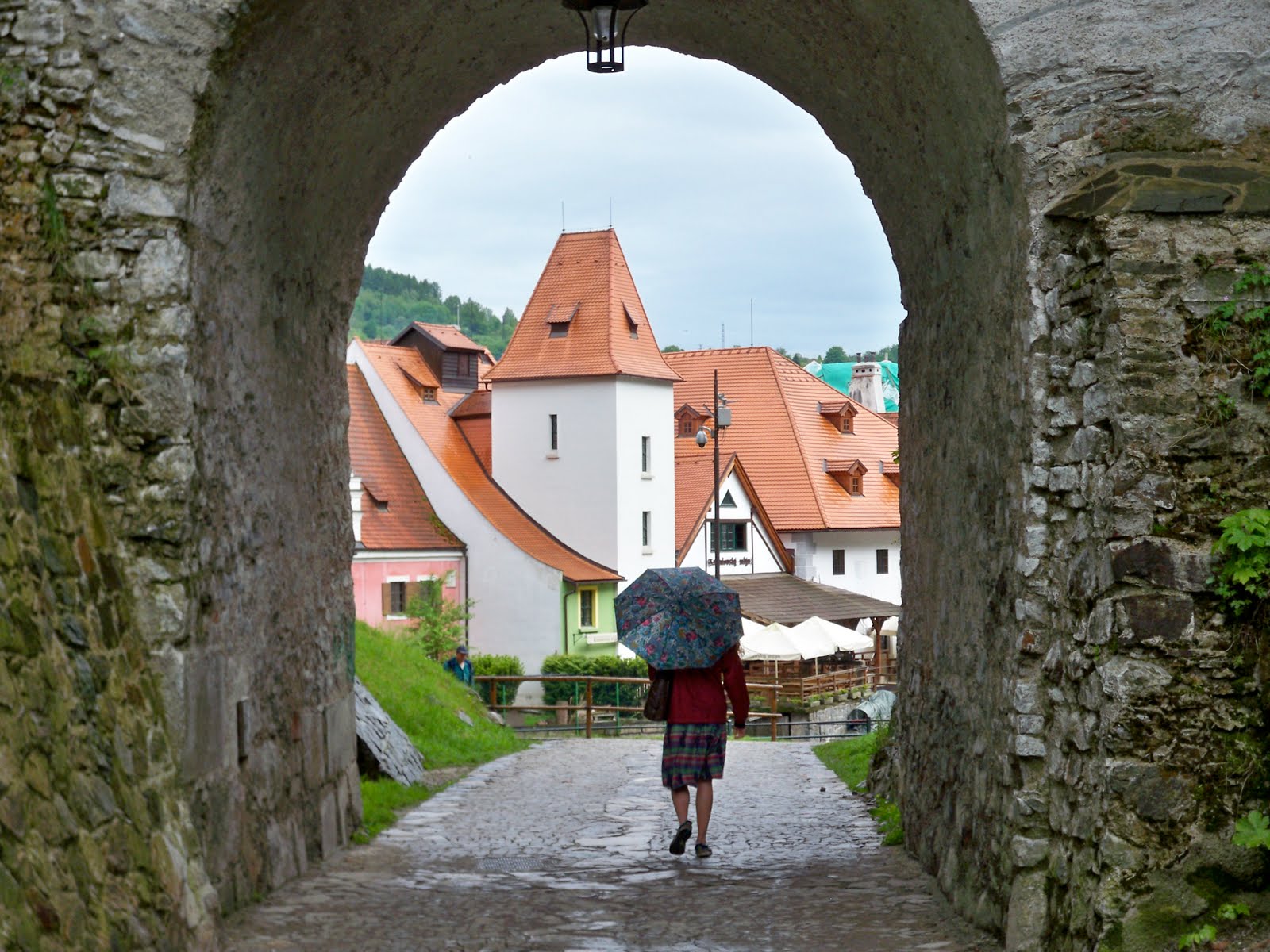
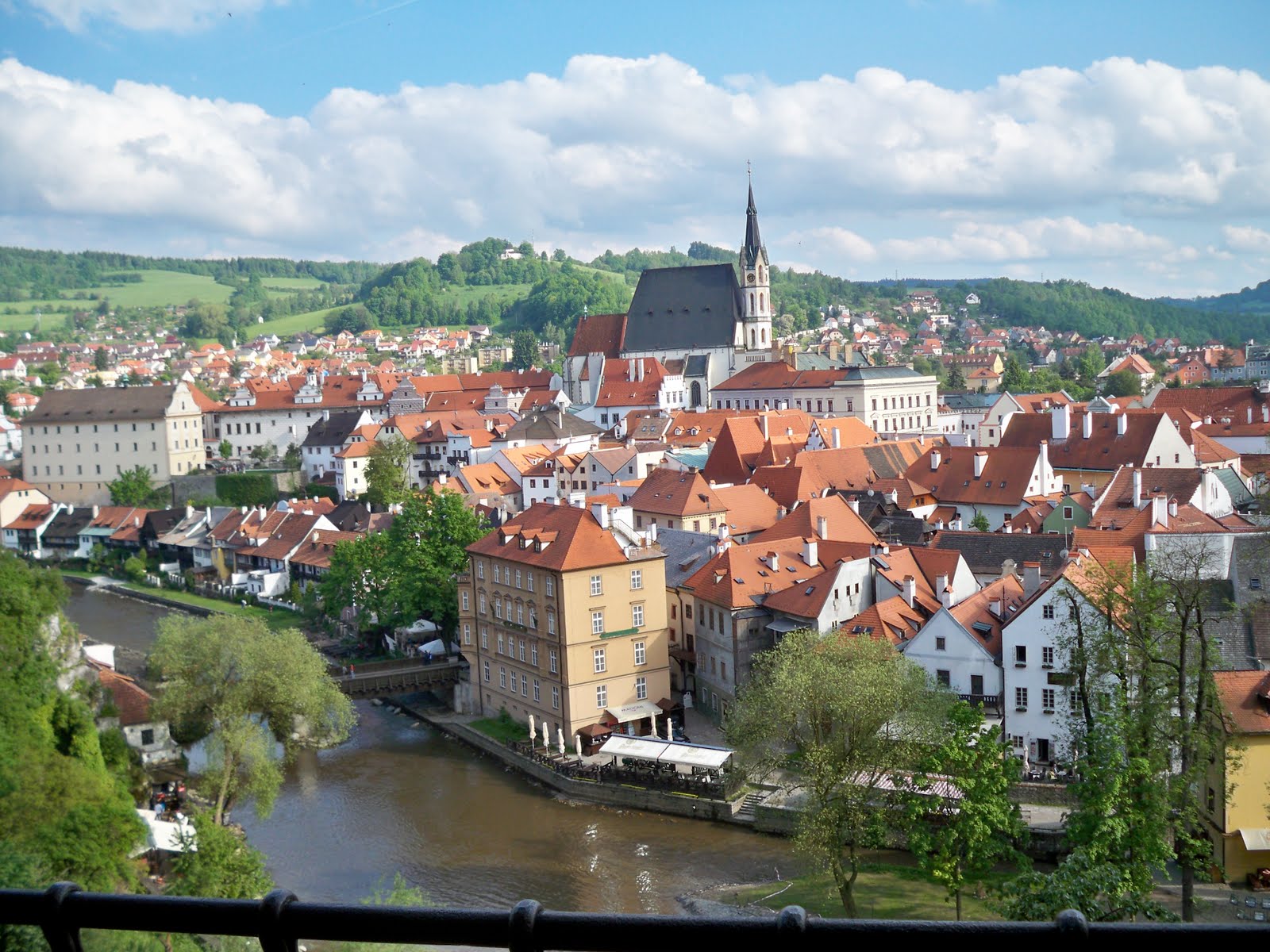
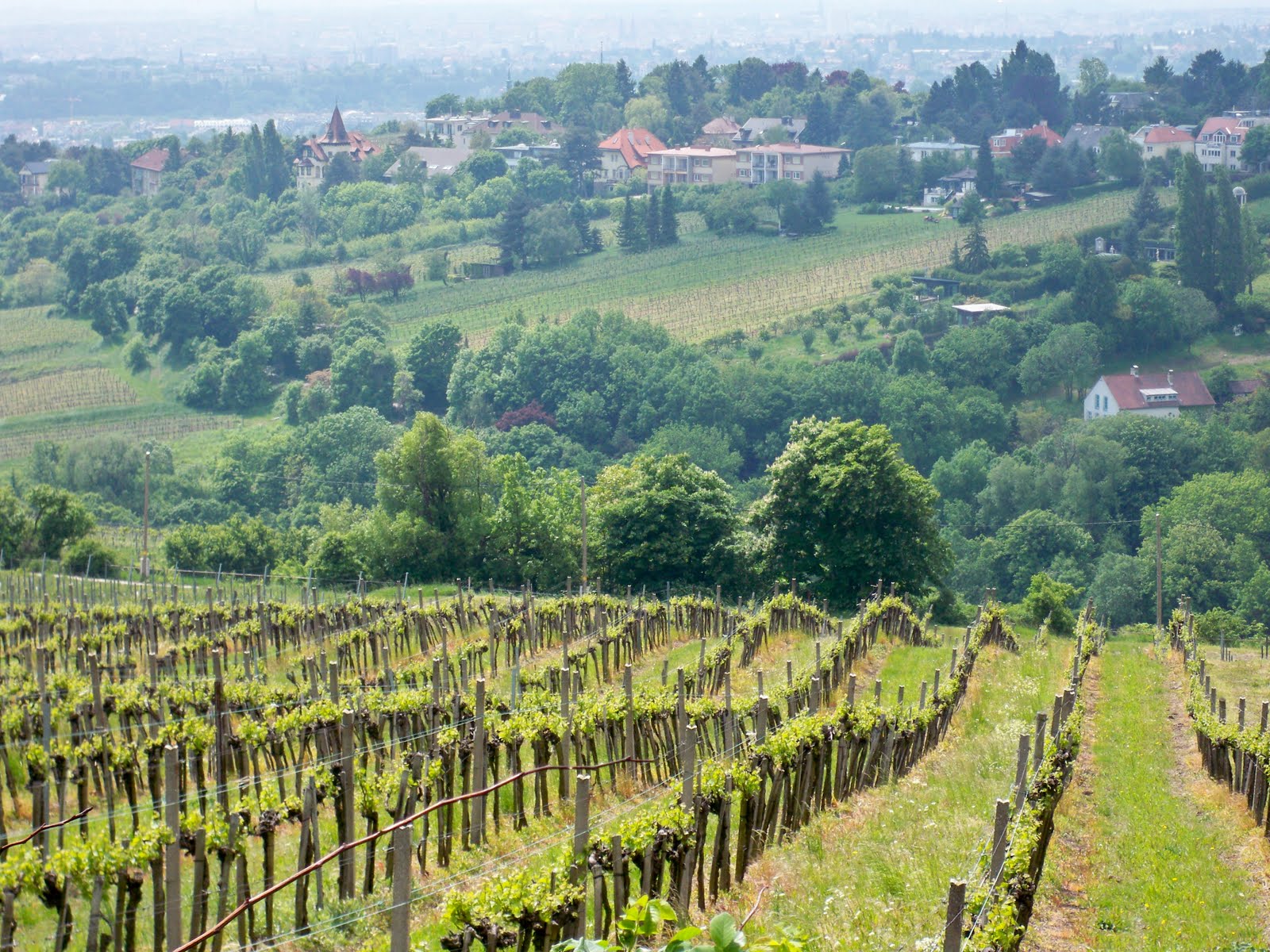
We leave a week from today. Time for some inspiration. So into this world of deadlines and errands, broken computers and broken glasses, appointments and schedules and list after list after list, there comes a breathing space, a long sigh. This is Hallstatt, a village in Austria’s Salzkammergut, an area of mountains and lakes east of Salzburg. Is it possible that we will see such a place? Is it possible that such a place even exists?
I saw it on the street when I was walking the other day: a single feather. Dark, elegant, alone. From a crow, perhaps. At home we have feathers all over the house from our sweet parakeet, Hermes. But his are electric blue, or sometimes darker pinfeathers or fluffy white downy bits that float in the air like dust motes. We humans molt dead skin and fingernail parings. How much more lovely the gifts birds leave behind.
“I’d say that it is good to have a quiet place to work, and it is also good not to work there, but somewhere else — whether at one end of the dining room table, or sitting in an armchair by the fireplace or even away from all the usual writing spots entirely.”
I just finished reading Reeve Lindbergh’s memoir Forward From Here, in which she writes about writing places — and many other things. Reeve can look out her back door and see her mother’s writing house, moved from Connecticut after Anne Morrow Lindbergh’s death in 2001. But Reeve doesn’t usually write in her mother’s writing house.
I know what she means. For years I wrote in an office. We always had a dedicated room in our house where I could work. First it was an upstairs bedroom, and then, when the girls got older and each had their own room, it was a converted dining room downstairs. Now that I have a laptop I wander all over the house and yard. In fact, I do some of my best writing on Metro (provided I have a conductor who knows how to operate the brakes — not always a given with that outfit).
It helps to have a writing spot (because you’re telling yourself that your writing is important enough to make space for it), but if writing is like breathing, then it figures you should be able to do it most anywhere.
When a writer can’t write, she has writer’s block. When a walker can’t walk, does she have walker’s block? Or what if the walker only has time for a quick walk, a walk around the block, but she doesn’t have a block to walk around?
Such is the case here in the suburbs. Because most people don’t want to live on cut-through streets, we have plenty of cul-de-sacs but precious few connectors. Instead of walking around the block, with the pleasant circularity that entails, we walk up one side of the road and down another.
To get around this linearity, I’ve come up with loop walks. I cross West Ox, a busy, four-lane road at the west end of our neighborhood, down a slight hill, left into Franklin Farm, through a meadow, along a paved path in a small woods and eventually back to West Ox and into Folkstone again. It isn’t a block, but it is a walk. A walker’s block.
It’s the first Saturday in May, a day to drink mint juleps, sing “My Old Kentucky Home” and watch the horses run. Strong storms are predicted for Churchill Downs, which means that Devil May Care, a filly whose owner my parents met last weekend, will have to run well in the mud to win the 136th Kentucky Derby. I hope she does, because of the faint connection, because she’s a girl and because I like her name. (This is the, ahem, highly scientific method by which I usually choose a horse.)
Devil May Care makes me think about going for broke. It’s the rakish tilt of a fedora, a whiff of cigarette smoke, the swirl of bourbon in a highball glass. In a world of highly regulated outcomes, chance draws us like a magnet. Who wants to know how every race will end? Who doesn’t long for surprise? When the track is muddy, it’s more likely that you’ll see a most improbable horse, a long shot, perhaps a filly, streaking along the rail or swinging wide on the outside. The cheers will be deafening, the mud will be flying and a horse, a horse whose name we don’t yet know, will be running her heart out, racing for the finish line.
In honor of Arbor Day, a few words on the small forest growing in our backyard. No, not the weeds, although some of them are tall enough to qualify for small-tree status, I’m afraid. No, I’m talking about the nether reaches of our backyard, which were smooth and green and grassy when we bought this house but are now a tangled, briar-filled forest incubator. I was just back there this morning, checking on Copper, who’s in dog-digging heaven, when I noticed how tall some of our volunteers are. We have several fledgling oaks and hollies and a few trees of uncertain lineage. They’re the lusty newcomers, racing to catch up with the old grandfather oaks, which are dying at an alarming pace. I mourn the old trees, especially the one that came crashing down a year ago, the first day Suzanne was home from college, 100 feet and double-trunked, so that one half narrowly missed our neighbor’s house and the other half narrowly missed ours. But I take comfort in the accidental forest that grows to replace these venerable giants. Some day the new trees will be old and tall, too, and I can say, I knew them as babies.
A friend I haven’t seen in years reminded me of a dream we shared in high school. We were going to throw our own ball — ladies would wear long gowns, we would swirl and twirl to waltz music — it would be the next best thing to Vienna.
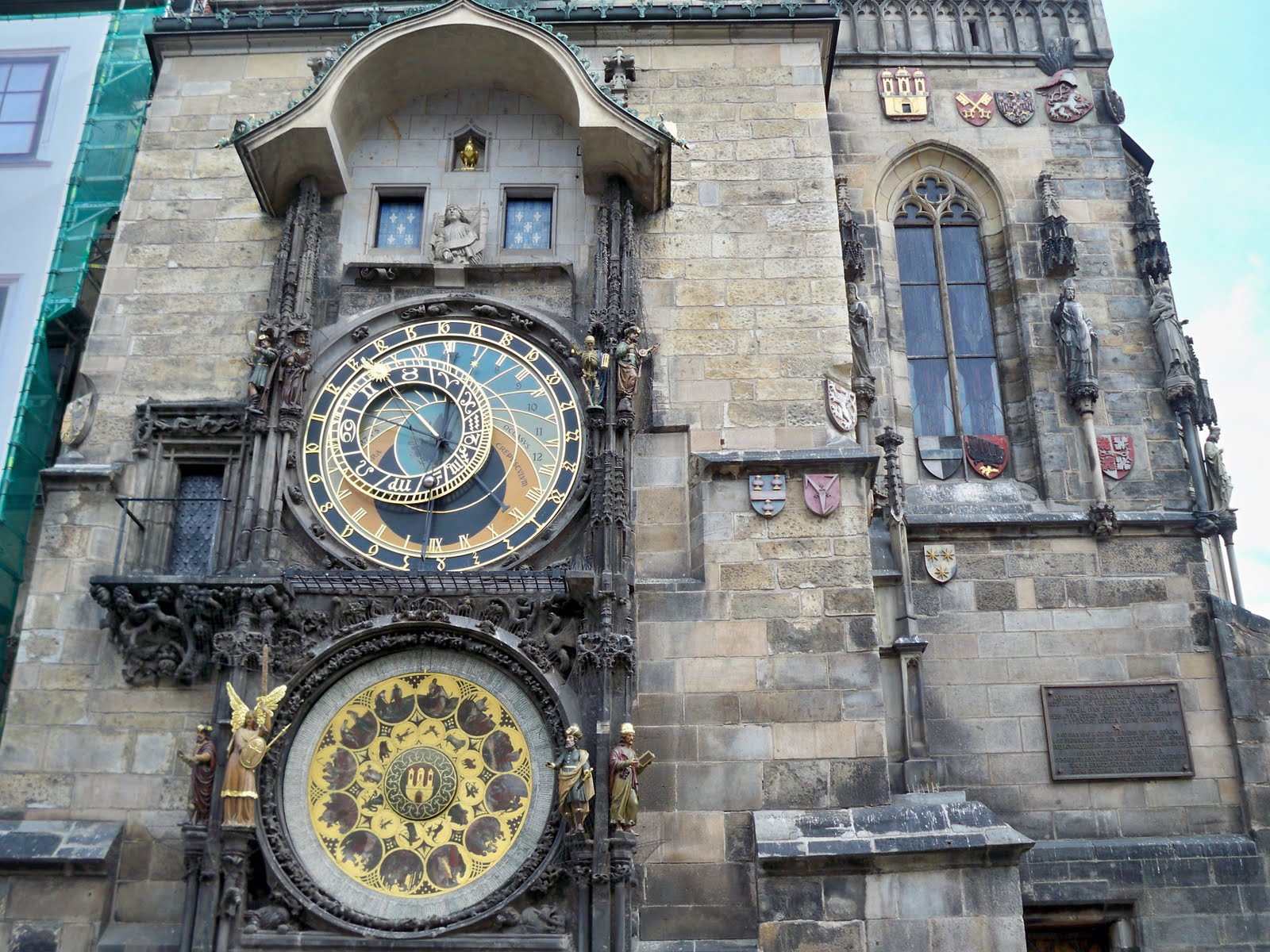
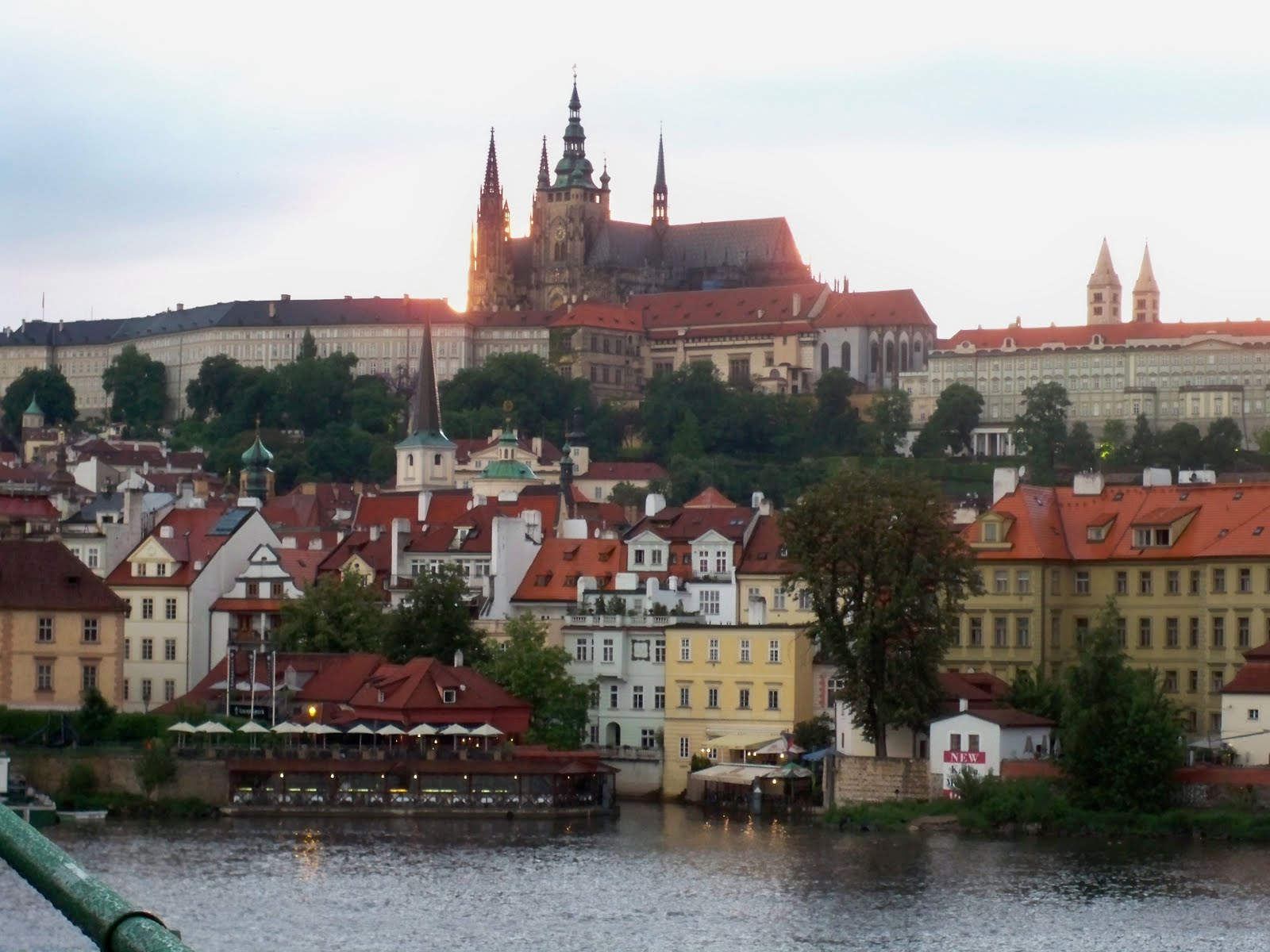
In two weeks Tom and I are going to Vienna. We’re going to see Suzanne, who’s been studying there all semester. We’re planning very little — we’ll let her show us her world — but there will be music and art and coffee houses and Mozart and Beethoven and Brahms. There will be no dancing — the ball season is in January and February — but that doesn’t matter. Suzanne was able to dance through two of them (see her photo above) and I’m content simply to return to Vienna, which I saw so many years ago.
Dreams are funny things. They never fade away, but they soften with time. They’re replaced with gratitude, I think. And with memory.
In my old job I started each day by climbing to the third floor of a hundred-year-old building on a staircase that looks somewhat like this one. Now I scamper down a single flight of inside stairs, better than most, I’ll admit, but definitely the hidden-away staircase of an elevator building. When stairs were the only game in town, they were broad and grand and open. You climbed them with a sense of purpose. Now it often takes me several minutes just to find the stairway, and once I do, well, I’m usually underwhelmed. I climbed one of these in a Maryland medical building Monday: dingy, dark, with an aroma that reminded me of the New York City Subway system in July. I know we can’t give up elevators–they’re with us to stay–this is just a small tribute to those grande dame staircases, and to the kind of living and walking and thinking they made possible.
“Will there really be a morning? Is there such a thing as day? Could I see it from the mountains, if I were as tall as they?”
These lines rolled through my head last night as I tossed and turned, unable to sleep. What got me going? Unsettled dreams, our upcoming travels (what they call “good stress”), or just the normal wear and tear of daily life that frays the spirit enough to set the ends flapping in the wee hours, waking us with their clamor. As usual, I shifted position scores of times, made mental lists, fretted over words said and unsaid. I didn’t get up and read; I was tired enough that I hoped to be drowsy again momentarily. But the moments became hours. I did, however, drop off again eventually, so that I can at least pretend to have been asleep all night, so that I can answer Emily Dickinson’s question, “Will there really be a morning?” with “Oh, yes. There is a morning, all right. And it comes much too soon.”