Browsed by
Category: patriotism

Two Hundred and Fifty
Two Hundred and Fifty

I thought I had written my Fourth of July post yesterday. Then I started listening to a program of American music on the radio and thought about all the ways to measure national pride, national spirit.

Think of the vastness of our country. It takes four days to drive across it, and that’s if you push it.

I traversed it as a kid, riding in the backseat of a “woody” station wagon. I’ve done it again several times since then, as a young adult and with my own family, and never lost the wonder of seeing the trees grow scrubby and the plains grow vast, of seeing the first smudge of blue on the horizon: the Rocky Mountains!

I refuse to believe that we will always be this divided. Two hundred and fifty years is not a long run, when measured against some other nations, but it’s respectable. On this special day, I pray for 250 more.
My Country

My Country

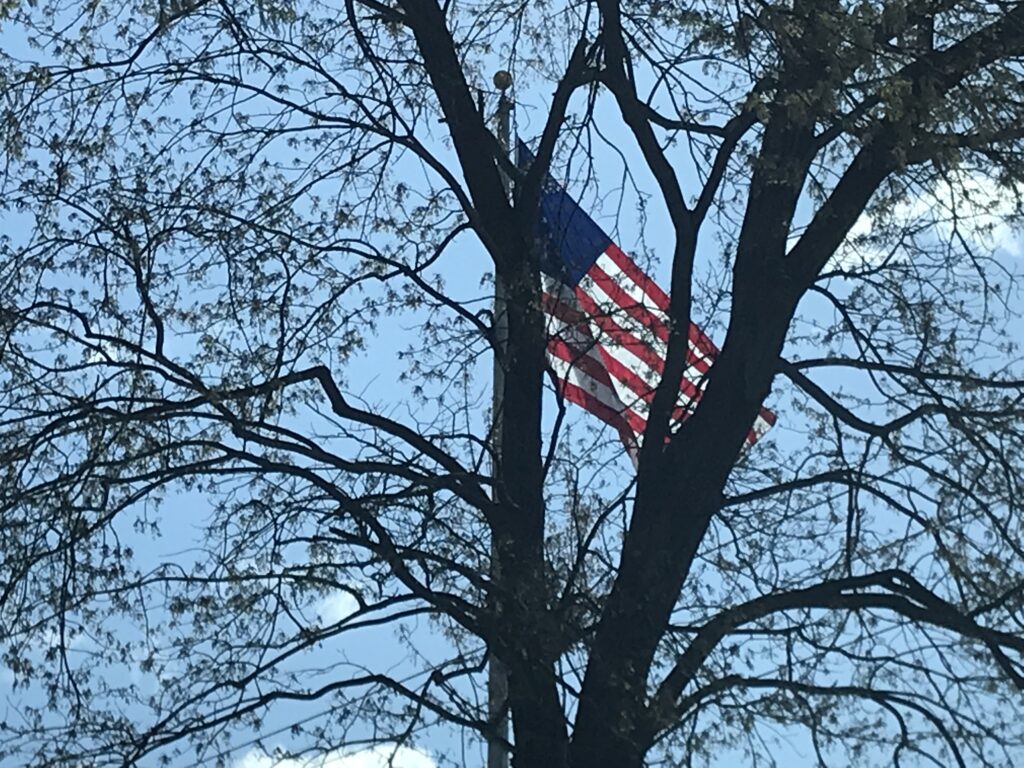
I used to fly our small flag from the Washington Post box that hung beneath our old mailbox. But our old mailbox bit the dust last month, and there’s no easy way to hang a flag from its new post. So the best way to show our colors is to stick a flag in the large flower pot in the front yard. It’s not perfect, but it will have to do.

Which is, perhaps, a good way to look at this 250th anniversary of our nation’s founding.

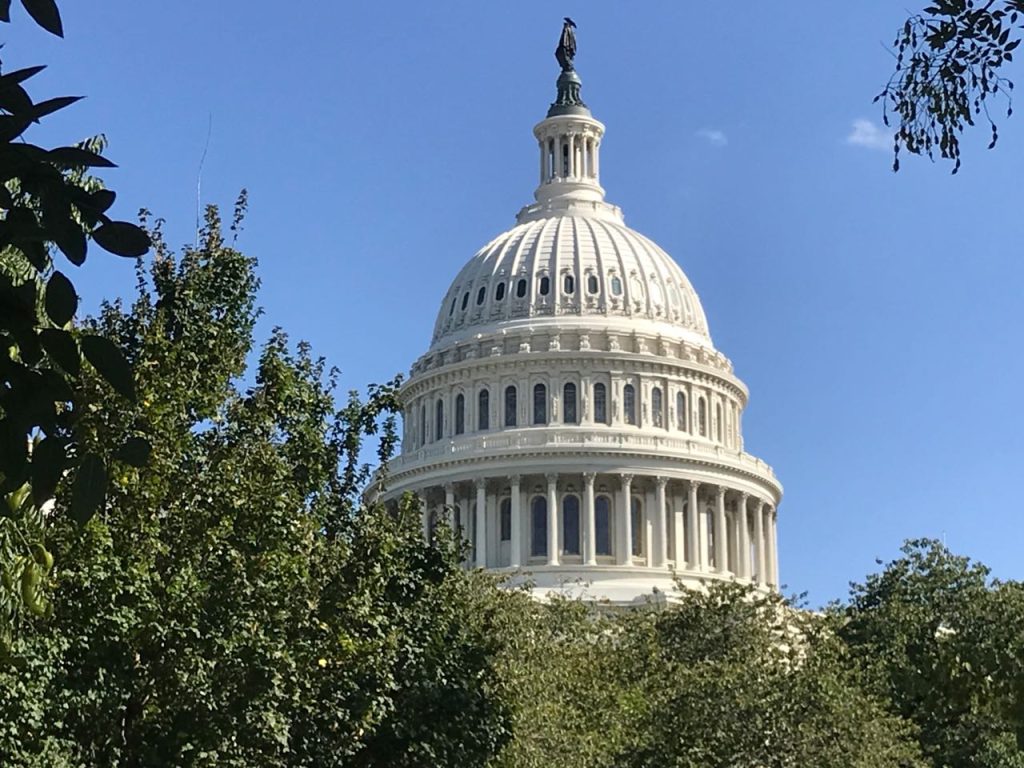
It’s easy to be discouraged these days, especially living so close to Washington, D.C., which has been turned into an armed camp to celebrate a day marking independence and freedom.

I turn to a book I recently read, The Fate of the Day: The War for America, Fort Ticonderoga to Charleston, 1777-1780, the second of Rick Atkinson’s trilogy about our nation’s founding.

“My country. That concept had taken root in the American seedbed, nurtured by a shared faith that this struggle, ostensibly about taxes, autonomy, and other parochial complaints, was ultimately about the chance to build both a new nation and a better world.”

For all of its faults, America at 250 still seems like the world’s best hope. And, more to the point, it is my country.

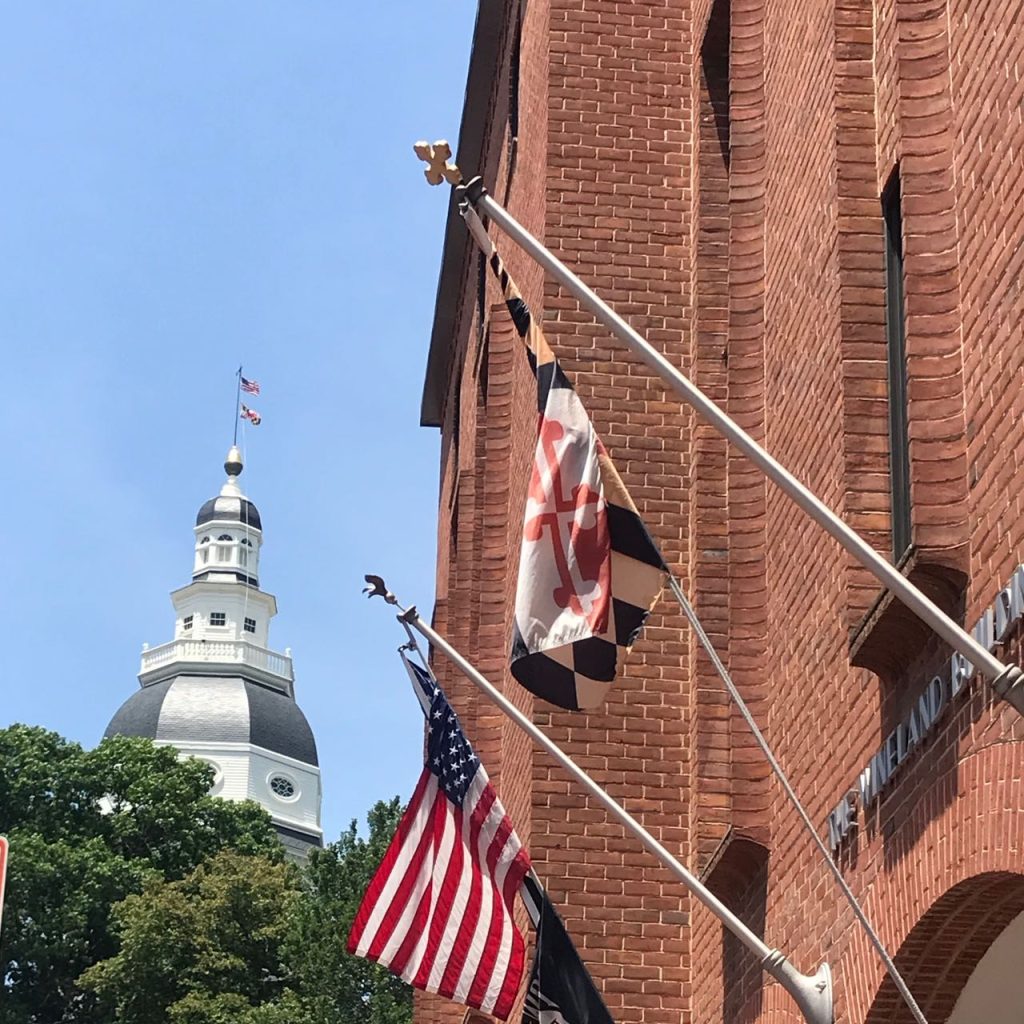
(Old Glory flies in front of the Maryland State House, which once served as the nation’s capitol.)

Revolutionary!

Revolutionary!

I know that it’s 2025, almost 2026, but in my imagination it’s 249 years earlier. The founding fathers have drafted and approved the Declaration of Independence, but the excitement of that pronouncement has faded with the horror and tedium of war. Washington and his troops are preparing to cross the icy Delaware. The fate of our nation hangs in the balance.

I just finished reading The British Are Coming, the first part of Pulitzer-Prize winning historian Rick Atkinson’s Revolutionary War trilogy. I learned that the war for independence lasted more than eight years and took more American lives than any conflict except the Civil War, with which it had much in common, since brother fought brother.

Meanwhile, I’ve been watching the Ken Burns et. al. documentary “The American Revolution,” which features Atkinson as a talking head. I’m imbibing a double dose of American history — learning about the brutality, the geopolitical maneuvering, the difficulties and the costs.

But I’m also appreciating again the remarkable achievement of the American experiment. Though conceived in violence, slavery and the hostile takeover of native lands, the founding of our nation led to something unique in human history, something “epochal and enduring,” in Atkinson’s words: “the creation of the American republic. Surely among mankind’s most remarkable achievements.” It was revolutionary, you might say.

Election Season

Election Season

It’s election day in Virginia, but I voted weeks ago. The generous stretch of time now set aside for Virginians to cast their ballots makes autumn not just a season of raking but also of voting. Which means no excuses. You’d have to be stuck in the international space station to miss voting in my state.

In the year since our last election I’ve been trying to understand our deep partisan divide. I’ve read books, newspapers and articles, listened to podcasts, talked with friends and family. I can’t say I have it figured out but it’s worth noting that though our voting hours have expanded, our choices have not.

I don’t mean our choice of candidates, but our choices, period. As Ezra Klein points out in his book Why We’re Polarized, the parties used to be scrambled. There were as many Republicans against the Vietnam War as there were Democrats. This curbed parties’ power as identities “and lowered the partisan stakes of politics,” Klein notes.

But in the last few decades politics and identities have been merging. House Democrats represent 78 percent of Whole Foods locations but only 27 percent of Cracker Barrels. We’ve sorted ourselves into blue states and red states. We shop at blue stores or red stores, socialize with mostly Democrats or mostly Republicans.

“As our many identities merge into single political mega-identities, those visceral, emotional stakes are rising — and with them, our willingness to do anything to make sure our side wins,” Klein writes.

How to recoup from such entrenchment? I haven’t finished the book yet. I’ll get back to you later.

In Its Wake

In Its Wake

For those of us alive on that day, time was split in half. There were the years that came before terrorists flew airplanes into the World Trade Center and Pentagon — and those that came afterward.

We are a country surrounded by oceans, cosseted by space, a geographical feature I’m most aware of since our return from Europe the day before yesterday. Our cities were not bombed. We had no relatives forced to surrender or fight for the resistance. Our relative isolation gave us an air of invincibility that was punctured that early autumn Tuesday 24 years ago.

Since then, a generation has passed away and another has been born. The good bots at Google inform me that approximately 60 percent of the world’s population alive on September 11, 2001 is still alive today. Which means, of course, that approximately 40 percent is not. Those of us who remember scarcely outnumber those who do not.

I recall saying to my kids shortly afterward, “Life will never be the same.” For me, and for many, it hasn’t been. But for them — and even more so for those born after the terrorist attacks — the post 9/11 world is the world they inhabit. They live in its wake.

National Service

National Service

Yesterday’s post was about Mom, and today’s is inspired by Dad, on what would have been his 102nd birthday. There aren’t many left of his generation, what’s been called “the greatest.” I don’t recall Dad having much to say about that moniker, but his World War II service was a defining feature of his life, and he rests now in a military cemetery.

He was only 20 years old when he climbed into the tail gunner’s seat of a B-17 bomber and flew on bombing raids from Britain’s East Anglia to Germany and back. He was lucky to arrive when he did. Casualty rates were much higher before fighter escorts began in early 1944.

What his generation had that subsequent ones did not is a call to serve that was impossible to ignore. If I was running the country, I would require an obligatory year of national service. Not only would it help repair the nation’s infrastructure (imagine all that youthful enthusiasm and muscle power) but it would also patch up the divisiveness that threatens to tear us apart.

Such plans have been proposed, I believe, but given the other problems besetting the country, aren’t high on anyone’s list. They should be, though … and I bet Dad would approve.

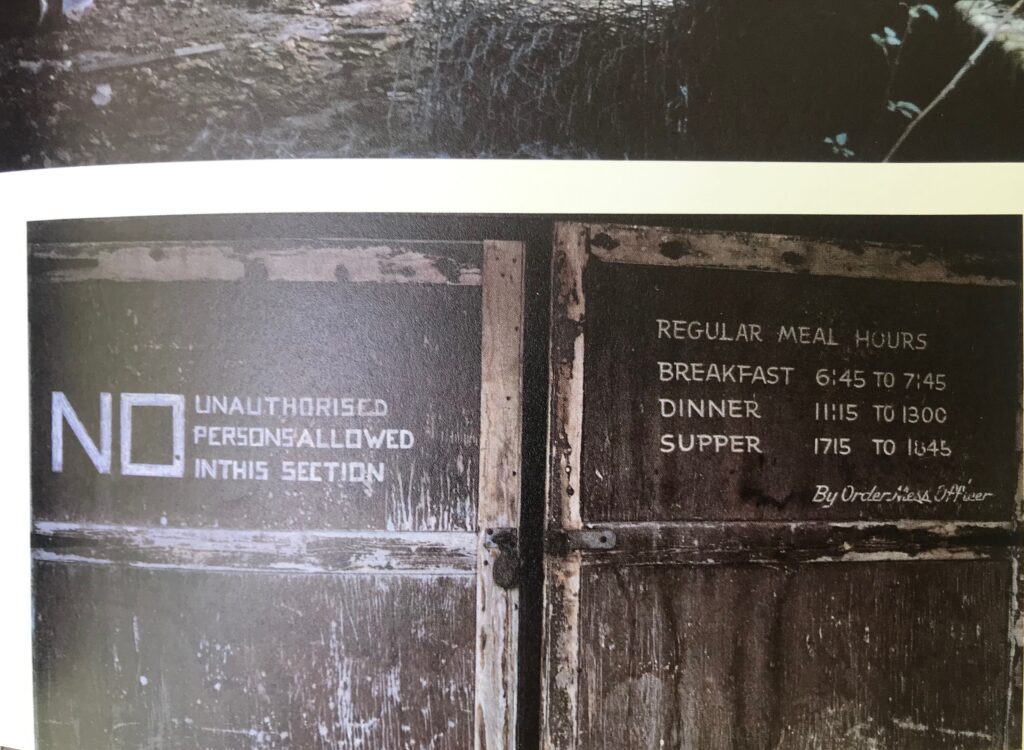
(The entrance to the mess hall at Horham, where Dad was stationed. Photo courtesy One Last Look: A Sentimental Journey to the Eighth Air Force Heavy Bomber Bases of World War II in England.)

Horns Honking

Horns Honking

I live close enough to Washington, D.C., to have made it to Saturday’s big protest on the mall, but a friend suggested we try a closer one instead. Which is how I found myself standing in downtown Manassas across from a cemetery and a Harley shop.

It was not an auspicious beginning, but things quickly picked up. By 12:30 there were hundreds of people lining the road, holding flags and signs, chanting “This is what democracy looks like!” Best of all was the support we received from what seemed like every other car that cruised down Route 28. I’ve never heard so many horns honking: from small toots to big blasts.

This demonstration won’t change policy, at least not right away. It felt like very small payback for all the jobs lost, lives upended, research torpedoed; for the tariffs and the firings and the chaos. But it’s a way to air grievances and feel a small sense of usefulness. And then, there were all those horns honking. They made it feel like a parade, a celebration. They made it feel like the start of something big.

All of Us

All of Us

The five years I worked for Winrock International were some of the most adventurous and fulfilling of my career. I was part of a team tasked to tell the story of this wonderful organization, founded to help those at home and abroad, and I jumped in feet first.

Winrock implements USAID contracts, which do everything from countering human trafficking to helping set up a fleet of electric vehicles in one of the more polluted cities of the world, Kathmandu. I interviewed trafficking survivors, I rode around in the back of a small electric bus driven by a pathbreaking group of women in Nepal. I saw firsthand the good that USAID projects accomplish.

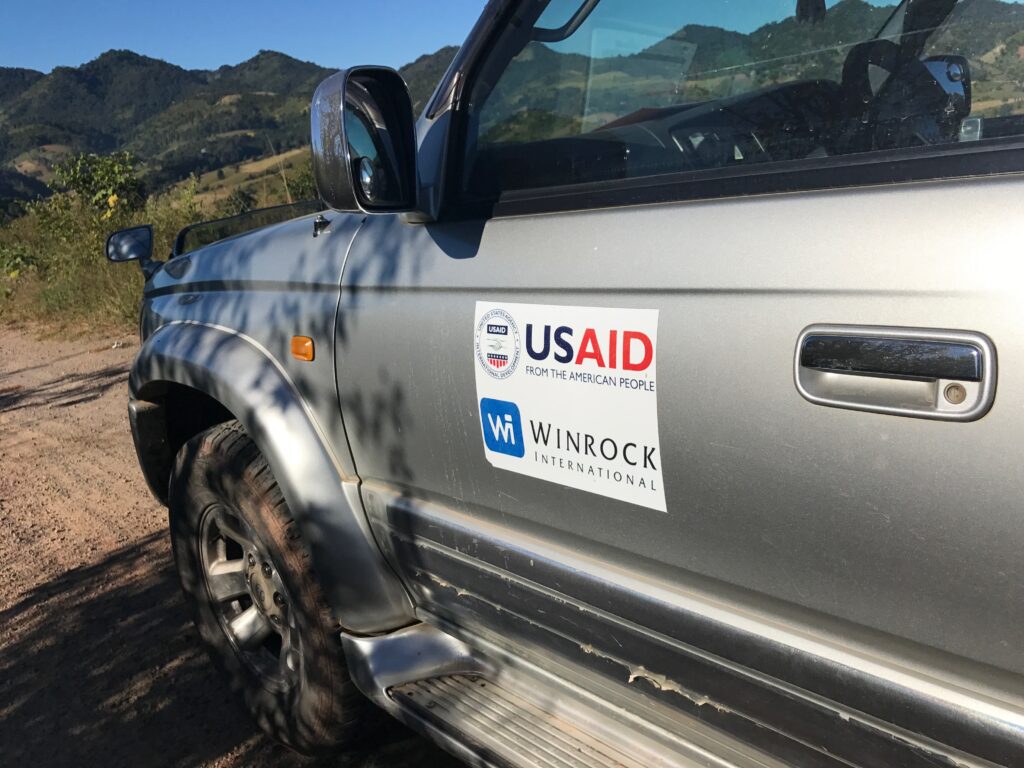
I’ll never forget my first trip for Winrock, glimpsing on the side of a truck the words that would from then on never fail to move me. “USAID from the American People.” The work I was doing with Winrock allowed me to see the work that was happening around the world in my name, in the names of all of us.

For less than 1 percent of the U.S. budget, the United States Agency for International Development sows a tremendous amount of goodwill. It’s evidence of our values, yes, but it’s also part of the soft power on which the world runs.

Yesterday the Agency for International Development was closed and its website shut down. Employees were told to work from home. The president has said he would like to shutter USAID as an independent agency. The head of the new Department of Government Efficiency called it a “criminal organization.”

The crime is what’s happening now, both to this agency and to the people who depend on it. And have no doubt: In the end, those people are all of us.

Circles

Circles

In the end it all comes down to circles. I walk to the table, pull out my own pen (superstition? fastidiousness?) and ink in the ovals on the paper ballot.

I move my pen slowly, methodically. In my mind are memories of 2000, hanging chads, holding ballots up to the light. Let there be no questions, no doubts. Just miles from where I live, federal buildings are barricaded, extra police are patrolling.

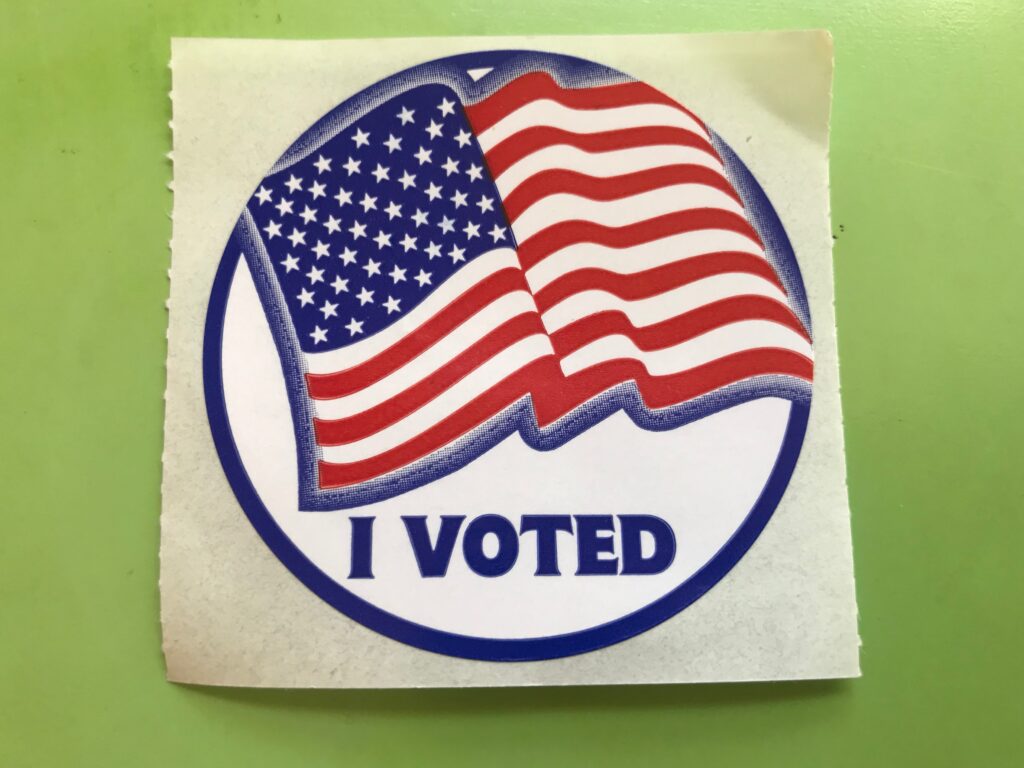
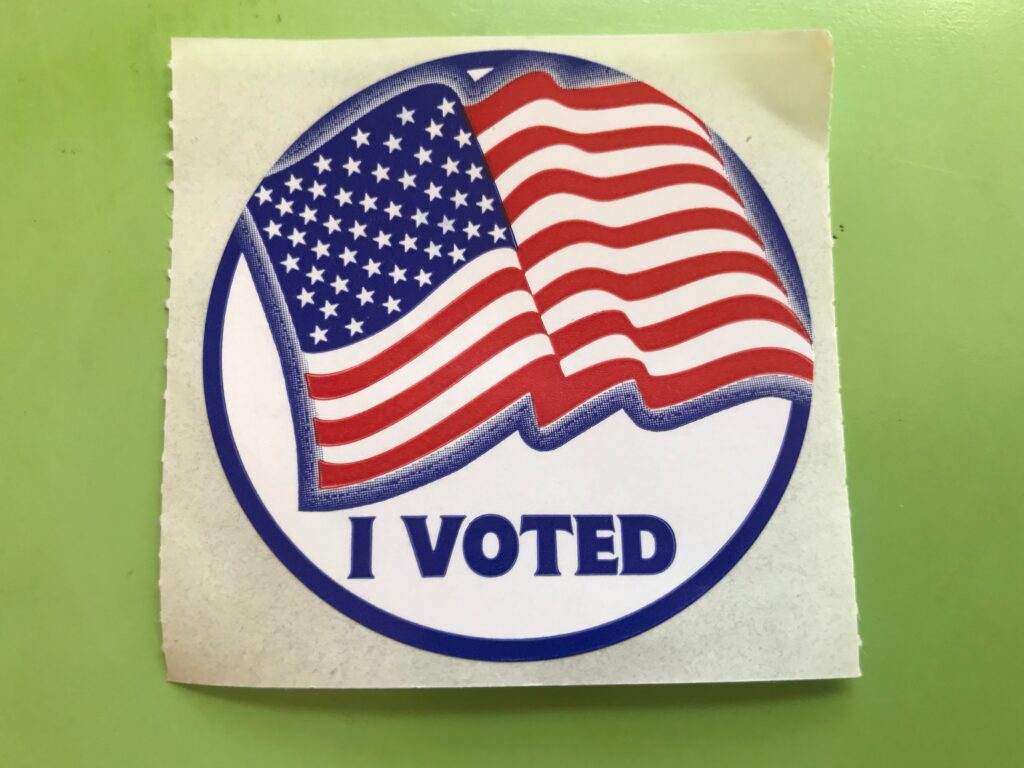
When I finish, I slide my ballot into the machine. A message reads “Your vote is counted.” In exchange I receive another circle, a sticker to wear. “I voted.”

After all the anxieties and doubts and change of candidates in July. … After scanning the newspaper for months, shielding myself from news I know will make me crazy. … After all the emails and texts asking for money and support. … After all of this, it comes down to this ballot, these circles, this vote. It’s my right as a citizen, and I embrace it fervently. I hope we all do!

Sousa!

Sousa!

There was a time when I played John Phillip Sousa music as we took down the Christmas tree. It was cheerful and made that seasonal task less melancholy than it would have been. 

But I hadn’t listened to Sousa marches in a while, winter or summer, until day before yesterday. Looking for suitable accompaniment to my Independence Day walk, I streamed a recording of Stars and Stripes Forever, the Washington Post March, Liberty Bell, Thunderer and many others. 

They certainly put a skip in my step, which would otherwise have been lagging due to heat and humidity.

It was a 45-minute trip to the turn of the century, not the last turn, the one before that. I imagined unicycles and bunting and girls with pigtails, all made possible by America’s March King

Today I repeated the experience. It felt just as fine. 

(Military observance at Sousa’s grave. Courtesy Wikipedia)