Browsed by
Category: Uncategorized

Hats Off

Hats Off


Today about 500 Oakton High School seniors will parade through the doors of George Mason University’s Patriot Center on their way to the future. “Pomp and Circumstance” will be playing, video cams will be whirring and I think I can safely say that about midway through the commencement address a few students will reach into their robes and slip out inflatable beach balls, blow them up and toss them into the air. Red-faced administrators will scowl, wave their arms and maybe catch a ball or two. But soon more beach balls will appear, kids tapping them with their finger tips, sending them up into the air, laughing and playing. The rules of school are no match for the exuberance of youth.

What the kids don’t yet know is that the rules of school are replaced with the rules of life — tougher, less forgiving. But for now, they can pretend there are no rules at all. For now, they can whip off their hats and throw them up in the air. For now, there is only joy.

Yes!

Yes!

It’s Bloomsday, the day James Joyce lovers gather to celebrate the novel Ulysses and its protagonist Leopold Bloom. A day named for a book — it gladdens my heart to know this is possible. The power of the written word. Especially the word “yes.” Here are the novel’s famous last lines: “and then I asked him with my eyes to ask again yes and then he asked me would I yes to say yes my mountain flower and first I put my arms around him yes and drew him down to me so he could feel my breasts all perfume yes and his heart was going like mad and yes I said yes I will Yes. “

Applause

Applause

Yesterday was Flag Day, which got me thinking about love of country — or at the very least, appreciation of country. Traveling abroad made me think about this, too. The openness, the lack of reserve, the Americaness of Americans. So much more obvious when seen from afar. I wasn’t gone long enough to miss it this time, but when I was a 20-year-old student, returning from my first trip abroad (two months on less than $5 a day), I certainly did. And apparently a lot of other people did, too. When the small Icelandic Airlines jet landed in New York, the (mostly American) passengers burst into applause. I hadn’t flown much at the time, didn’t know that sometimes people clap at the end of a long flight, relieved to be back on the ground. For me, the applause will always be a show of patriotism, a rare chance to give a hand to a nation, a place, an idea.

Living Like a European

Living Like a European

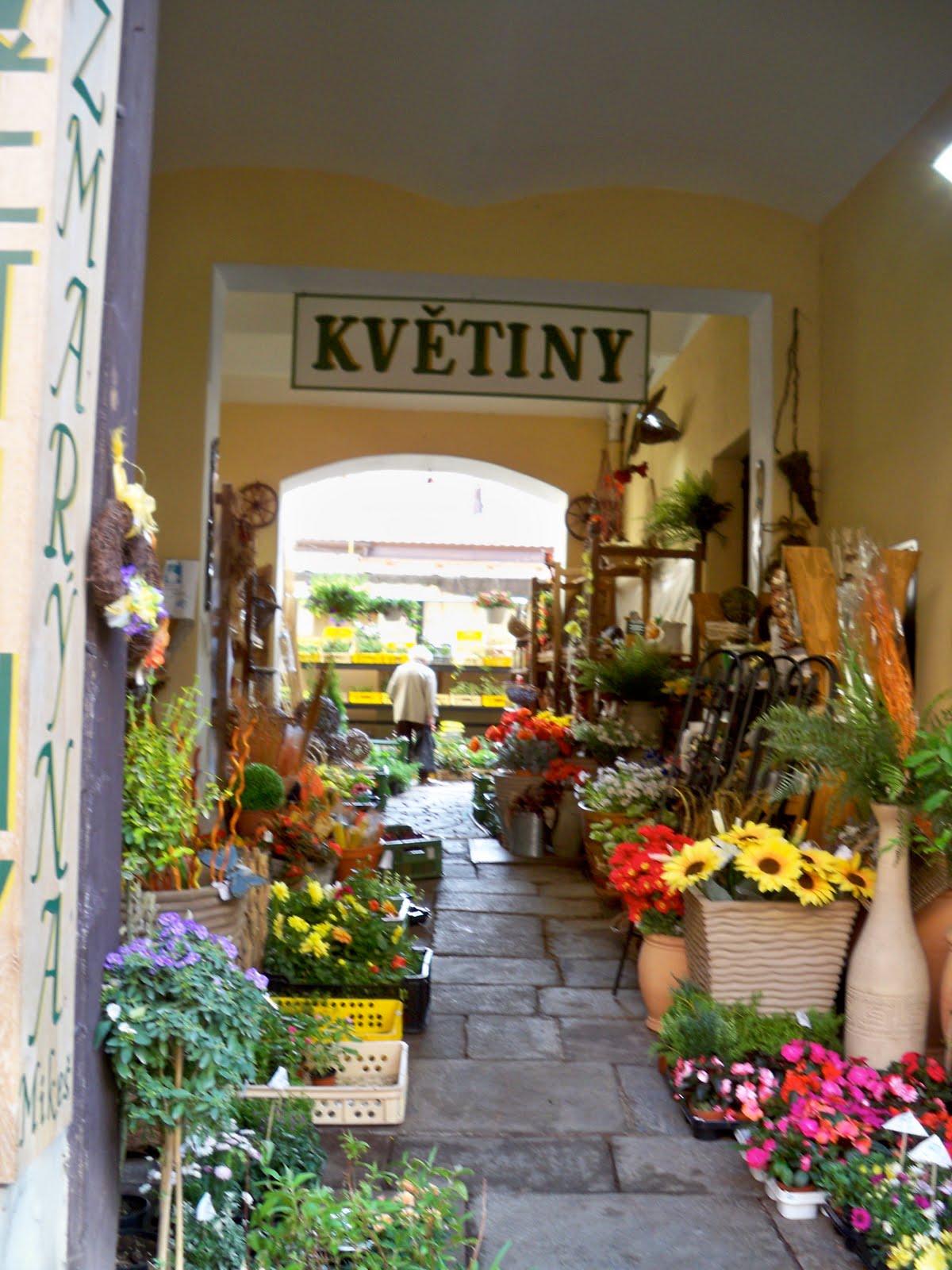
As I pine away for what I’ve seen (and I expect no sympathy — come on, I just had a European vacation) I decide to absorb the vacation, to swallow it whole, so it becomes a part of me. I want to eat like a European (smaller portions, more mineral water), shop like a European (every day? with a basket on my arm? this part I know I won’t manage), walk like a European (briskly with purpose but not so obviously for exercise), dress like a European (more heels, please) and de-clutter like a European (this is very crucial). For inspiration, a photo of daily life from one of my favorite European places, Czesky Krumlov.

Driftless

Driftless

Sometimes I finish a book, go right back to the beginning and start reading it again. This doesn’t happen often, but it happened with Driftless by David Rhodes. The book was recommended by an old friend, so it’s a word-of-mouth read, the best kind. It didn’t disappoint. Driftless tells the interlinked stories of the residents of Words, Wisconsin. One day Pastor Winifred Smith has a spiritual encounter with the Divine. Here’s how she tries to explain it to another character, a pivotal one, July Montgomery:

“Words are meaningless,” she said. “The truth dies before it fits into them. Language lacks the capacity to hold anything real. It serves an utterly different master. What’s really real is a home words can’t get into or out of.”

Reading the book for the second time, I realize how significant these lines are, because they apply not just to words themselves but to the town of Words, a “tiny town, which sits at the dead end of a steep valley.”

One of the things I like about the book is that it isn’t afraid to tackle the big topics — a belief in the beyond, why we live where we live, how impossibly lovely it is when one soul touches another. Many modern books shy away from these topics, take a much narrower slice of the pie. Rhodes cuts off a great big hunk of it. But he does it through Words, a place few people go. “State maps no longer include Words, and though Q [county trunk road and the only way into the town] is often pictured, the curving black line simply ends like a snipped-off black thread in a spot of empty white space. Even in [the nearby town of] Grange, most people don’t know where Words is.” Read this book, though, and Words will always be with you.

A Book of Stones

A Book of Stones


The second day home we drove to Indiana for Aunt Mary Ann’s funeral. So much has happened since we’ve been gone, so much has happened since we returned. Sadness and grief, yes, but also the healing salve of family. Our own three girls together again for the first time in five months. Giggles from the backseat on the nine-hour drive home yesterday, just like the old days.

We’ve seen many cemeteries in the last three weeks, most recently the bucolic Crown Hill in downtown Indianapolis. The photo above is from the Jewish Cemetery in Prague. Crowded in death as they were (in the ghetto) in life, these people clung to each other, to learning and to their own good names. Some of the graves here are 500 years old, said the audio tour guide, but if you know what to look for, you can read this graveyard like a book. A book of stones.

Pedal Power

Pedal Power


A few hours in Uppsala, Sweden, before heading home reminds me that I’ll soon be returning to a commute downtown. In Uppsala, a university town north of Stockholm, here’s how they arrive at their local train station. It’s the end of my trip and Ill be glad to get home. But I’ll miss the beauty, the ways of living, the quaint and the practical.

Moving On

Moving On


Today I leave Vienna, a city where time seems to have stopped. Time didn’t stop for me, though. I celebrated my birthday here yesterday. But as I move on into another year, it’s comforting to know that Vienna remains. A place of smokey cafes, quaint customs, careworn dignity. I’m looking for a picture that sums up this place — and of course I can’t find just one. Would it be St Stephansdom in the sunlight? An ancient walkway at the edge of the First District? A busy shopping street off Mariahilferstrasse? As I write these words, bells chime the hours. I’ll miss the bells, too. You can hear them no matter where you are.

Wonderful Neglect

Wonderful Neglect


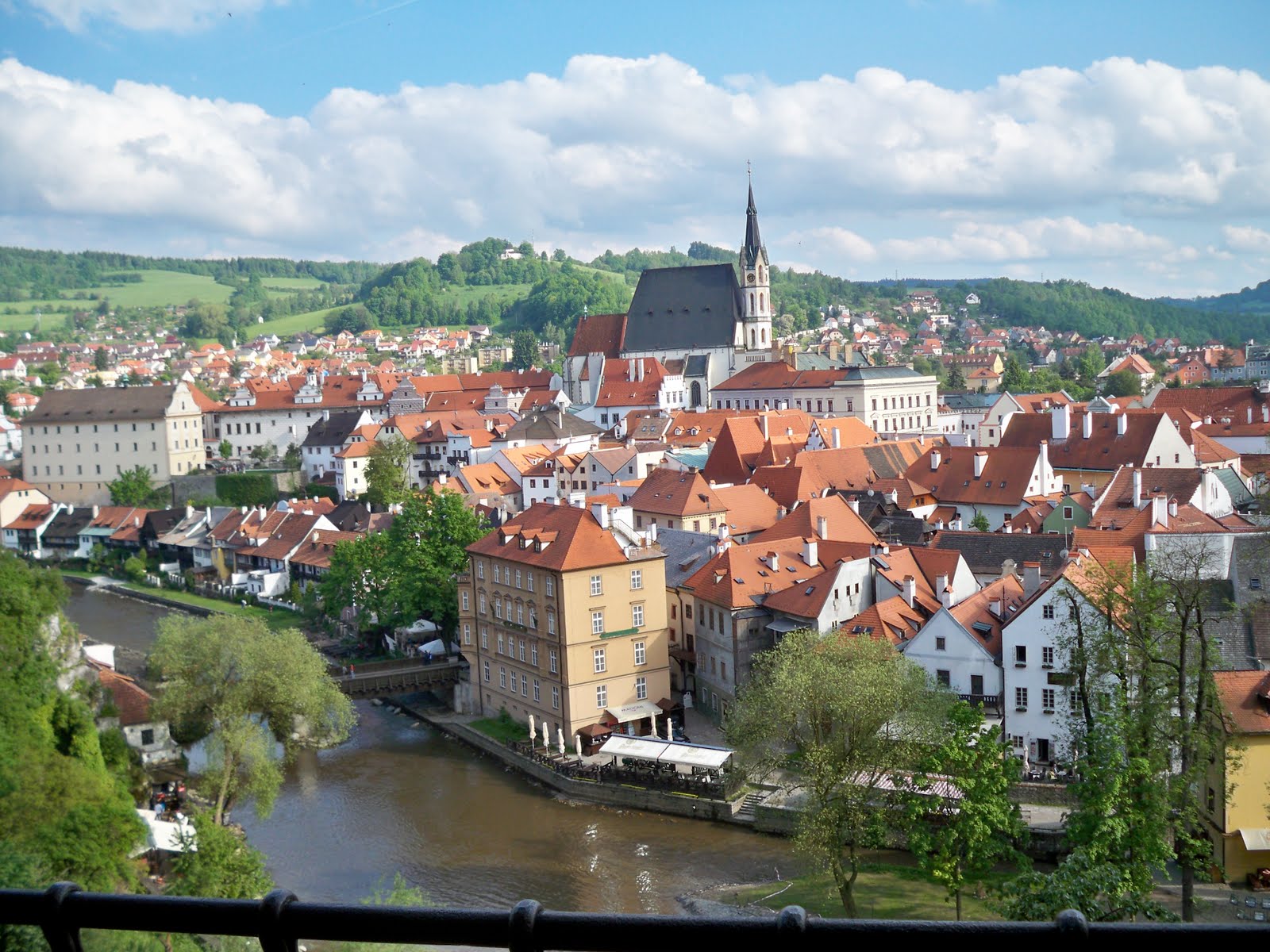
Last night a Czech tour guide, a native of Czesky Krumlov, took us through the winding alleys of this marvelously preserved medieval village. She showed us the 16th-century murals on the wall, the rose medallions of the Rosenberg family that lived in the castle for centuries and a school that has been in continuous use since the 1400s. Czesky Krumlov has seen profound ethnic changes in the last century. First, the town lost many of its Czech inhabitants when it came under German control in 1938, and then, after 1945, all its German inhabitants. During the socialist years, the town was inhabited by people who had few ties to the region; large apartment complexes were built on the outer fringes. The inner core was preserved–not out of love for the place but out of disregard. “It was neglect,” our tour guide said. “Wonderful neglect.” And now, because of this wonderful neglect, we can walk through a town untouched by time.

Walker in die Vororte

Walker in die Vororte


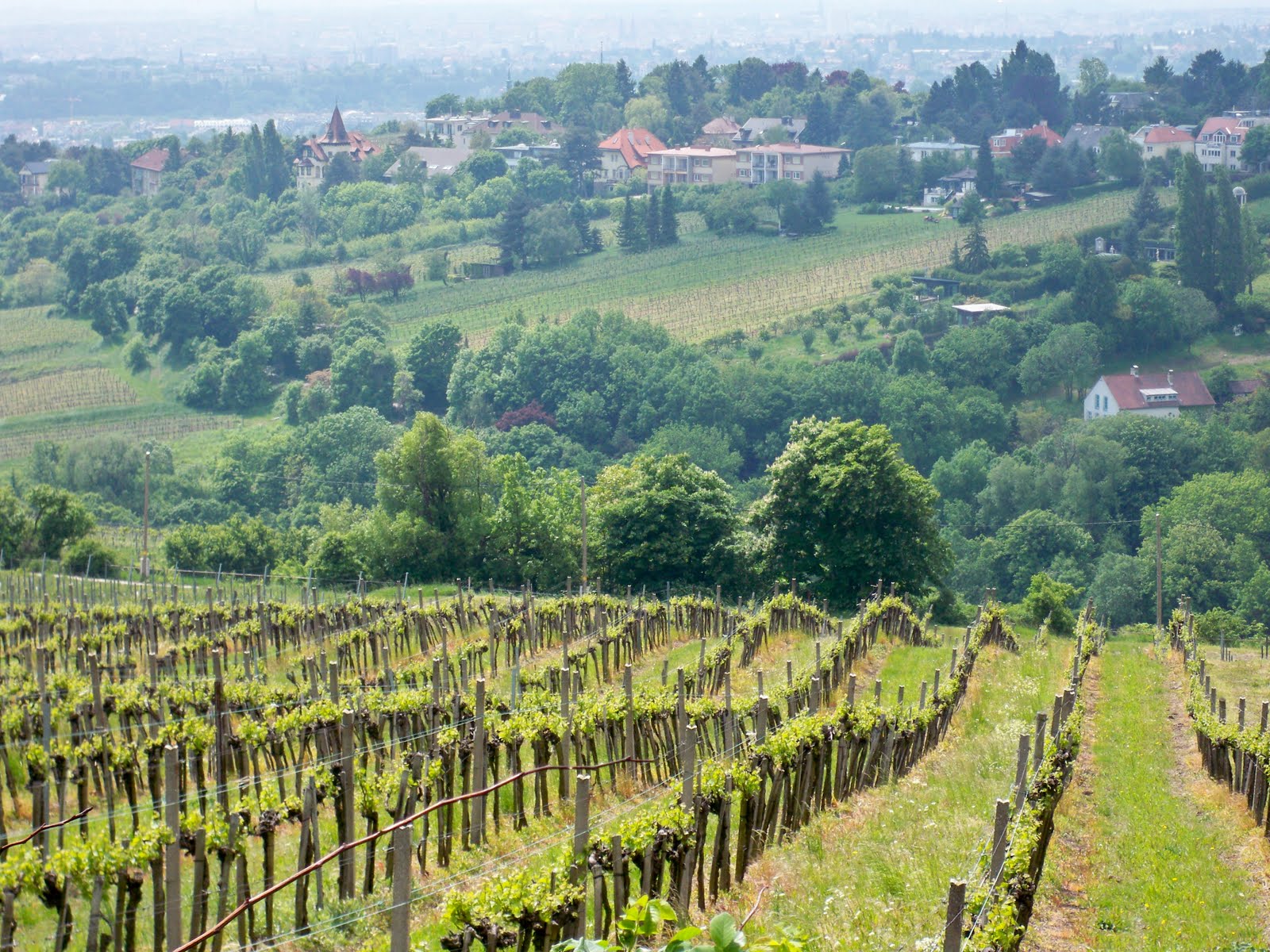
Yesterday we took the U-bahn and tram to Kahlenberg. There we saw a church, a restaurant and an overlook. To the left was a path, a wanderweg. We took it down the hill past old vineyards and new grapes to Beethovengasse. At one point we stopped to look at a map. An old man offered to help us. “This is street Beethoven walked on every day,” he said. I listened to the birds and the brook. Did sounds like these inspire the Sixth Symphony, the “Pastorale,” the first movement of which is called “pleasant feelings upon arrival in the country”? While we were still technically in the city of Vienna, it felt like the country, or at the very least the suburbs. Not the suburbs of big box stores and traffic jams. Instead, a passage to the countryside. By that measure, I was once again a walker in the suburbs. A Walker in die Vororte.