Food Palace

Food Palace

For the last couple of years I’ve shopped for food at a discount grocery chain where prices are low and brands are simple: basically there’s one. This means there’s limited selection, and I like it this way. There’s no need to deliberate, so I save time and energy.

A couple days ago I found myself in the antithesis of this grocery store. I found myself in a Food Palace. There were a dozen types of pate, mushrooms so exotic I’d never heard of them and a bakery to die for. It was chaotic and amusing. I was often bewildered. But the mushrooms were delicious when sautéed in butter — and I tore into the chewy but tender Tuscan pane on the way home.

It was as if the food choices I’ve eschewed these last two years had gathered around and started taunting me. See what you’ve been missing, they said.  Look at this richness, this bounty.

I looked, I appreciated. But the very next day I went back to my discount grocer.
Celebrating Neighbors

Celebrating Neighbors

Research has proven that our moods may be lifted higher by a random conversation than by all the cajoling of a close loved one. If this is true — and I have anecdotal evidence that it is — neighbors are likely some of its greatest practitioners.

Neighbors are the ones we bump into while picking up the newspaper at the mailbox (regrettably, while wearing a bathrobe some mornings). The ones we grumble with during the fall raking season. And they are the ones whose banter may unwittingly set our day on a upward course. 
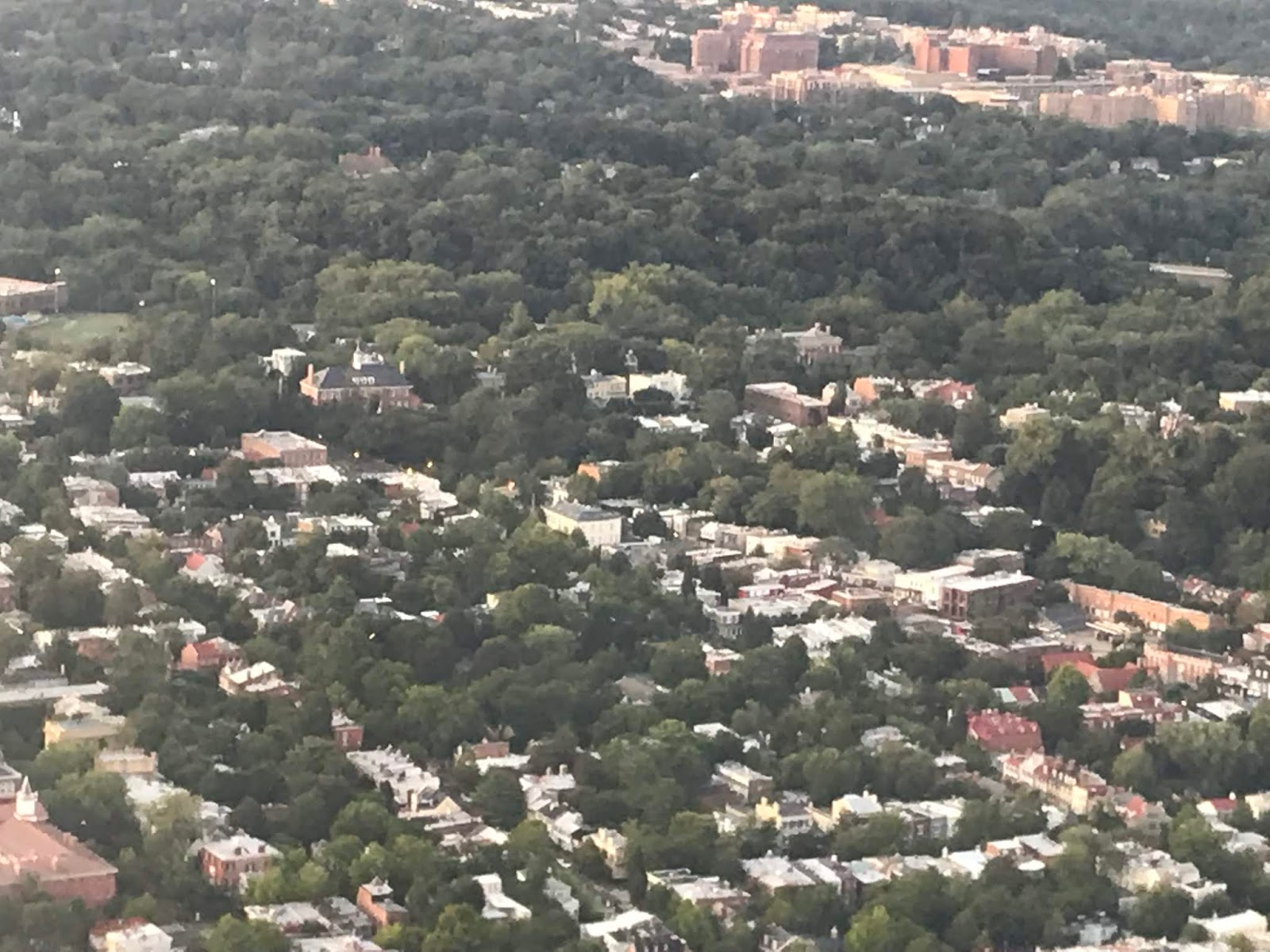
We were lucky enough to fall into a group of neighbors all relatively new to the neighborhood when we moved in. Most had young children, many had chosen this neighborhood for the big backyards and nearby woods. In a region I always thought would be transient, this neighborhood has been remarkably stable. It’s a place where people notice, where people care.

Last night we said farewell to some of our oldest, dearest neighbors. Though I’m sad to lose them, the send-off was such a celebration of neighborliness that I’m left not with sadness, but with joy.

(A Virginia neighborhood from the air.)
Acoustic

Acoustic

How to catalog the sounds of the walk I took this morning? The crunch of stiffened grass, the swish of my parka as I strolled through the chill. The pounding of my feet on frozen ground.

It’s been for the most part a warm, gray, sodden winter. But today it’s blue skies and brisk air.

Most of all, it’s the music of the a frosty morning.

Many Loves

Many Loves

On a day dedicated to love, I think of my people and of love’s many faces. Of romantic love and parental love, the love of friends.

I think about the love we have for those who are gone, and the love we have for animals. The love we have for place, for movement, for moving through space, which I celebrate on these pages.

So many loves we are given. Loves that light the way. Even when we don’t see them, they are there.

Team-Work

Team-Work

An email newsletter I edit has a feature we call Team-Work. We decided to use a hyphen, though the word is typically spelled without it. I can’t remember now exactly why we did that, except it had something to do with emphasizing the separate nature of those words, the “team” and the “work.”

I bring this up today because, perhaps like many of us, I thrive on a mixture of teamwork and solo endeavors. The percentages of the mix depend on many things, including how busy I am and how protective I am of the product in question.

Lately I’ve realized that I wouldn’t make a very good ghostwriter. Though most of what I write now is without a byline, I’m well compensated for it and believe in the institution. In other situations, I enjoy getting credit for what I write. Not exactly teamwork, but there you have it.

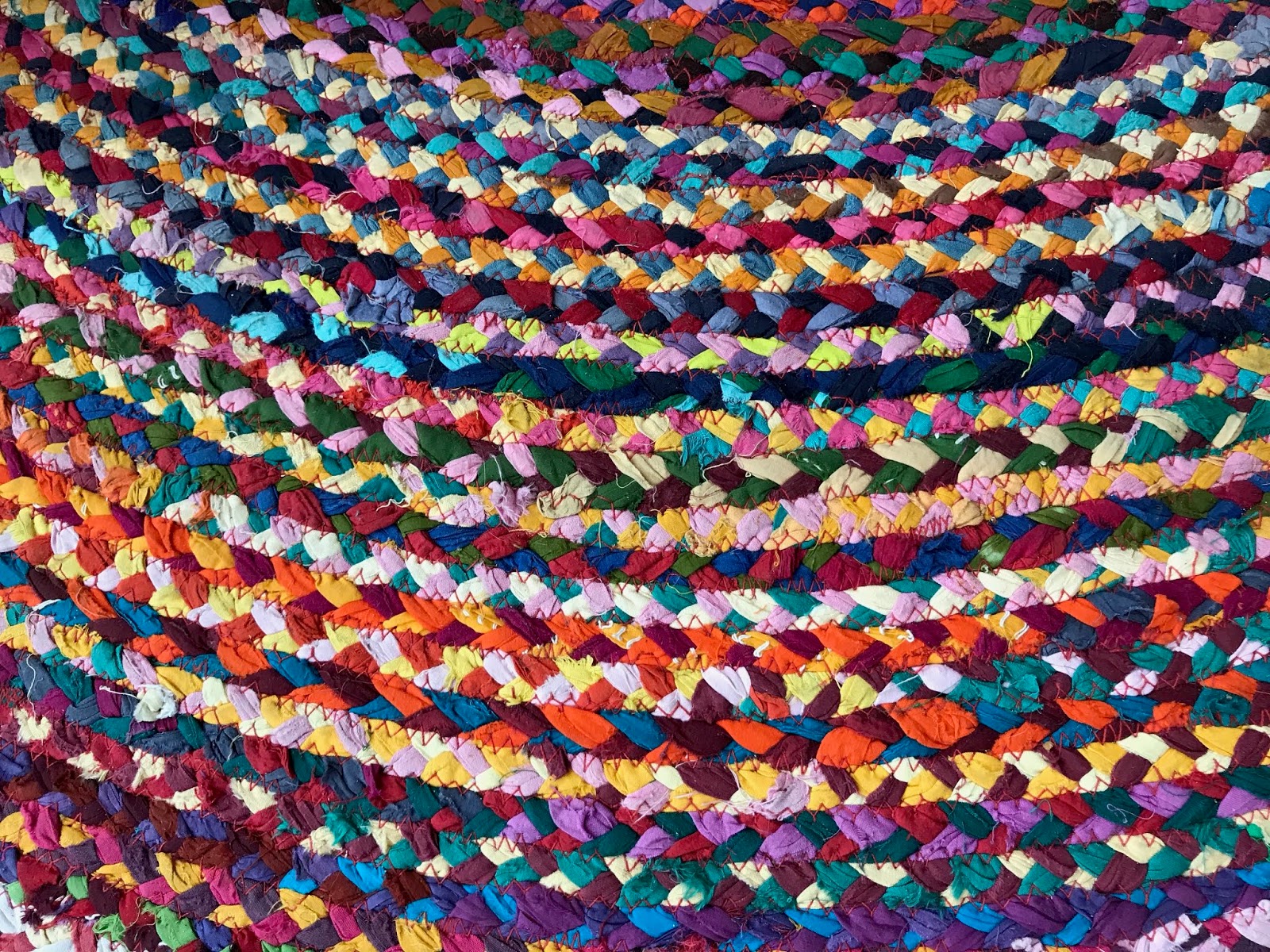
Which is why I chose the multicolored rag rug photo to illustrate this post. It reminds me of the power and the beauty that’s possible when many become one.

Begin Again

Begin Again

All is calm on the back end of the blog this morning: 3,000 posts, 3,000 published, no drafts. There’s a sense of fulfillment and completion. Which means there’s a part of me (the tired part!) that wants to say, let’s take a break.

But of course, that part of me won’t win out. Not because thousands of fans are clamoring for each new post. Hardly! But because life is all about starting over.

So this is a post about doing that, every day. It’s time to begin again … like it always is.

3,000!

3,000!

A few months ago, when it became apparent that I was closing in on the blog’s 3,000th entry about the same time that I would celebrate its 10-year anniversary, I stepped up my posting schedule.

I’ve always written a post every weekday and usually one on weekends. But once I realized how close these two moments would be I started posting every day.

When I did the math I realized it would be close, really close, but I would be off by four — 2996 posts on February 7, the blog’s tenth birthday.

So I had a dilemma. Should I actually post twice a day for several days? How obsessive was I going to be?  Apparently, thankfully … not enough!

Piecrust Prose

Piecrust Prose

According to the great sage Mary Poppins we should be wary of piecrust promises — easily made, easily broken. I would like to issue another recommendation, mostly for myself, and that is to strive for piecrust prose — to avoid the dry, overly worked and sometimes unsalvageable product that results from too much fussing and instead fashion a more pliable product.

Pie crust dough, as bakers know, must be handled lightly. It isn’t kneaded like bread dough, but turned lightly onto a floured board, then rolled, trimmed and tucked gently into a pie pan. Words are like that too. They must be handled lightly enough to fit and sing, but not so much that they lose their juice and joy.

I have been known to belabor the writing process. Words may tumble out joyfully enough in the beginning but I often work the poor things to near oblivion. It was in part to sidestep this tendency that I started A Walker in the Suburbs.

But such is the power of the nemesis that I now have two writing styles: blog-writing and everything else. Instead, I should have just one — and the light touch, the piecrust promise, must apply.

(Photo: Wikipedia)

Walking the Way

Walking the Way

I picked up Walking the Way, by Robert Meikyo Rosenbaum, because I was browsing the library and liked the title. (It was no doubt the word “walking” that did it.) I almost didn’t check it out when I saw the subtitle, 81 Zen Encounters with the Tao Te Ching, which sounded too esoteric for me. But I brought it home anyway — and now may have to buy it, so wise and calming do I find its words.

Walking the Way is a series of reflections on 81 poems from the Tao Te Ching, a book of wisdom and fundamental text for the Chinese religious and philosophical system of Taoism. It is, as the foreword describes, like an “ancient, weathered, solitary pine that exists above the tree line that whistles the tunes of the wind on a high mountain.” Reading these words reawakens my desire to meditate, or at least to sit quietly for a while each day.

Here’s a passage that speaks to me:

It is easy to fall into the tyranny of doing. The feeling that you should do more is a tyrant worse than any dictator. It will wear you out and bring not just an early demise but the daily death of a thousand stressful cuts. If you do not free yourself from this tyranny you’ll die early, or daily, or both.


(Illustration, Wikipedia: Laozi, reputed author of the Tao Te Ching.) 

Shades of Gray

Shades of Gray

Never fear, dear readers, this blog isn’t taking a more salacious turn in its second decade. This post is not about the erotic novel and film “50 Shades of Gray.”  It’s about what color to paint the bathroom.

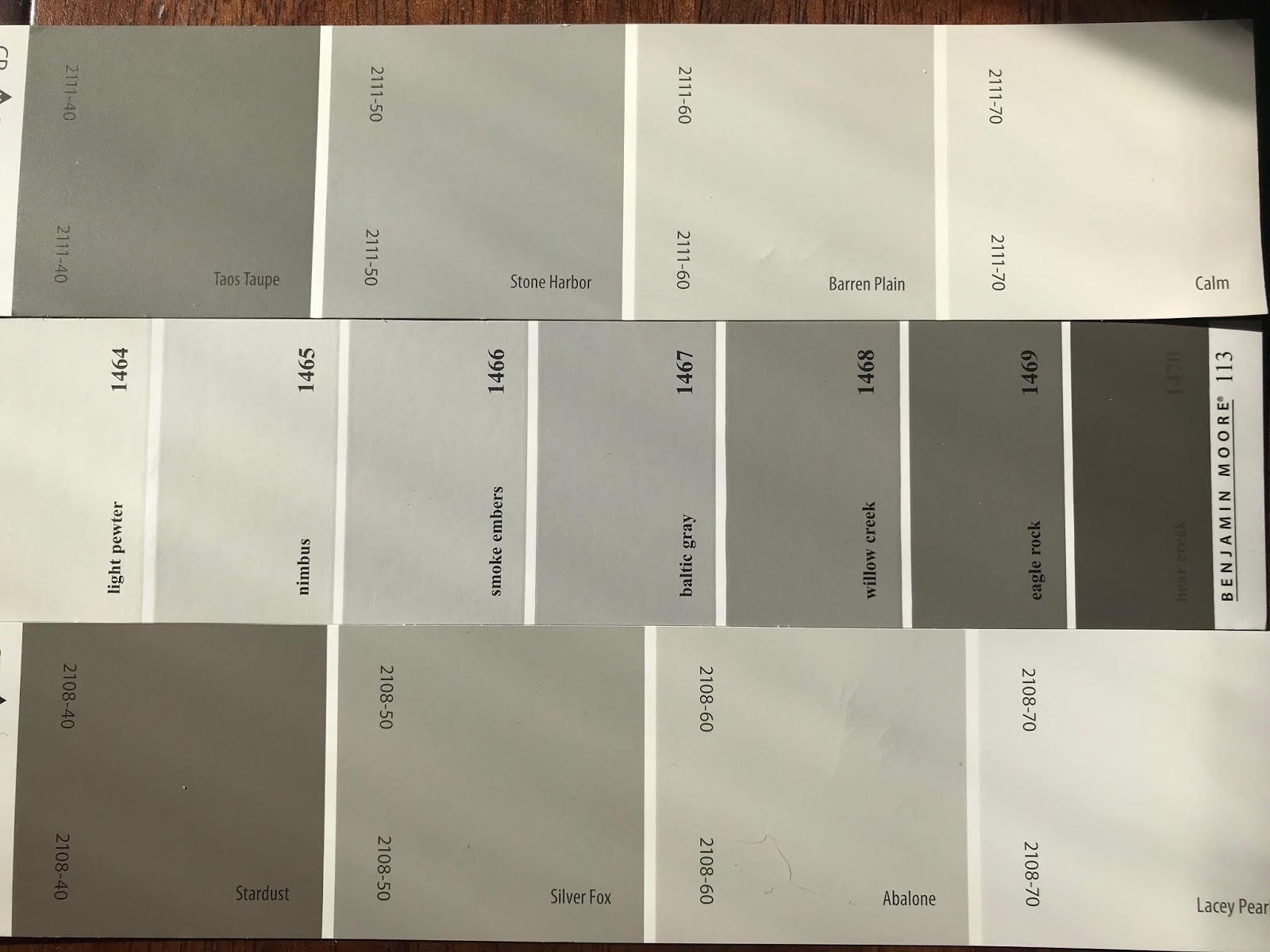
The weekend remodeling project is proceeding apace, and by next weekend, we’ll need paint. Will it be Abalone or Barren Plain? London Fog or Seattle Mist? Wind’s Breath or Cedar Key?

This remains to be seen. I want a warm gray to match the swirls of color in the marble-like porcelain floor and shower tile. But I don’t want to ignore the marble vanity top, which is a bit cooler in tone.

Ah, dear, the problems of affluence — in which we are freed from the daily tedium of black and white (what will we eat? where will we sleep?) to contemplate … the shades of gray.