End of the Road

End of the Road

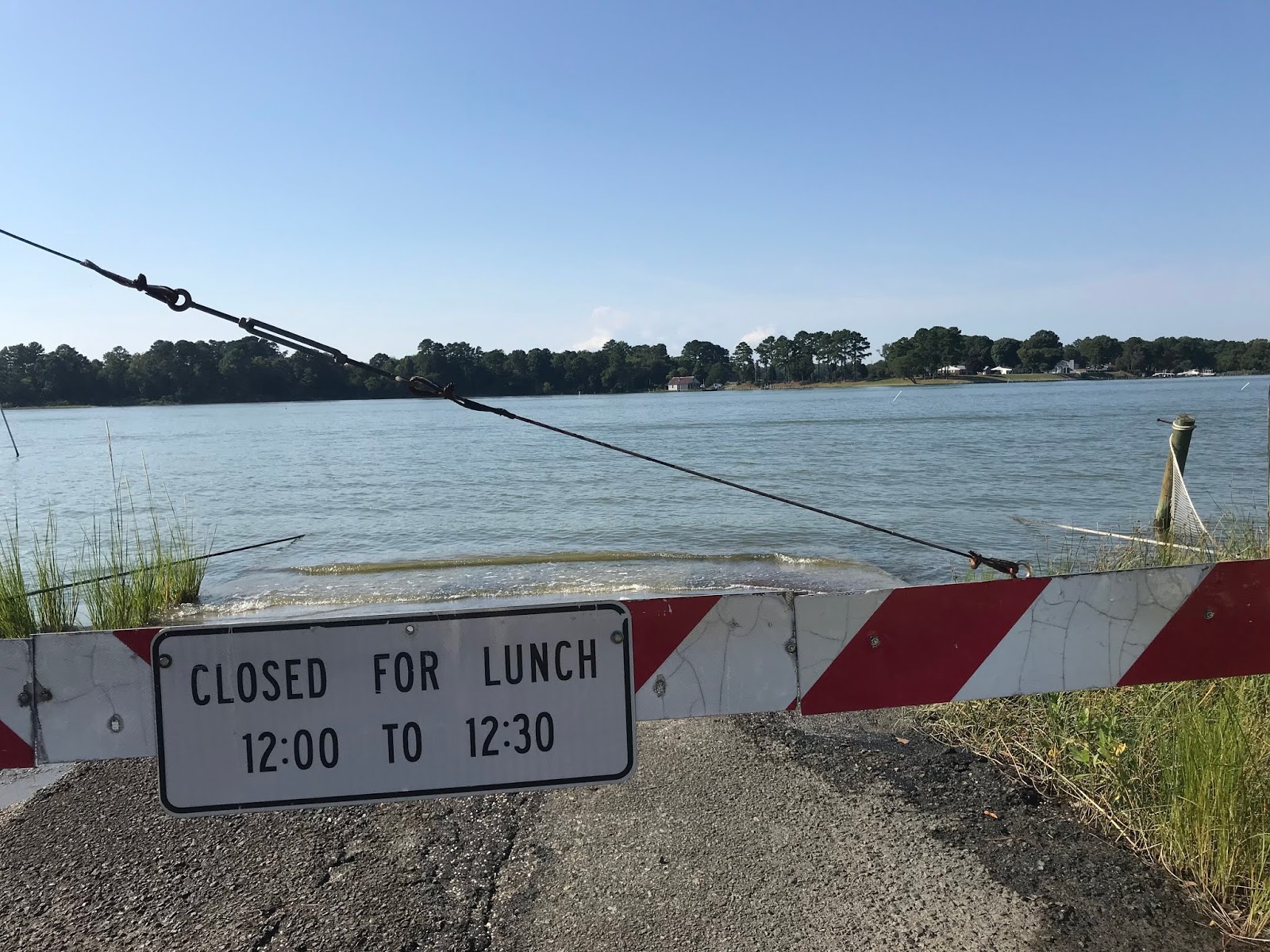
It happened often while traveling in the Northern Neck. We’d follow the road to a cove or point only to find that the pavement literally dead-ended into the water. No parking lot. No gracious circle in which to turn around.  Just land … then water.  Sometimes there would be a sign. The one above for the Sunnybank Ferry was a bit misleading. It wasn’t closed for lunch but closed for the weekend. Still, what can you expect? It’s free!
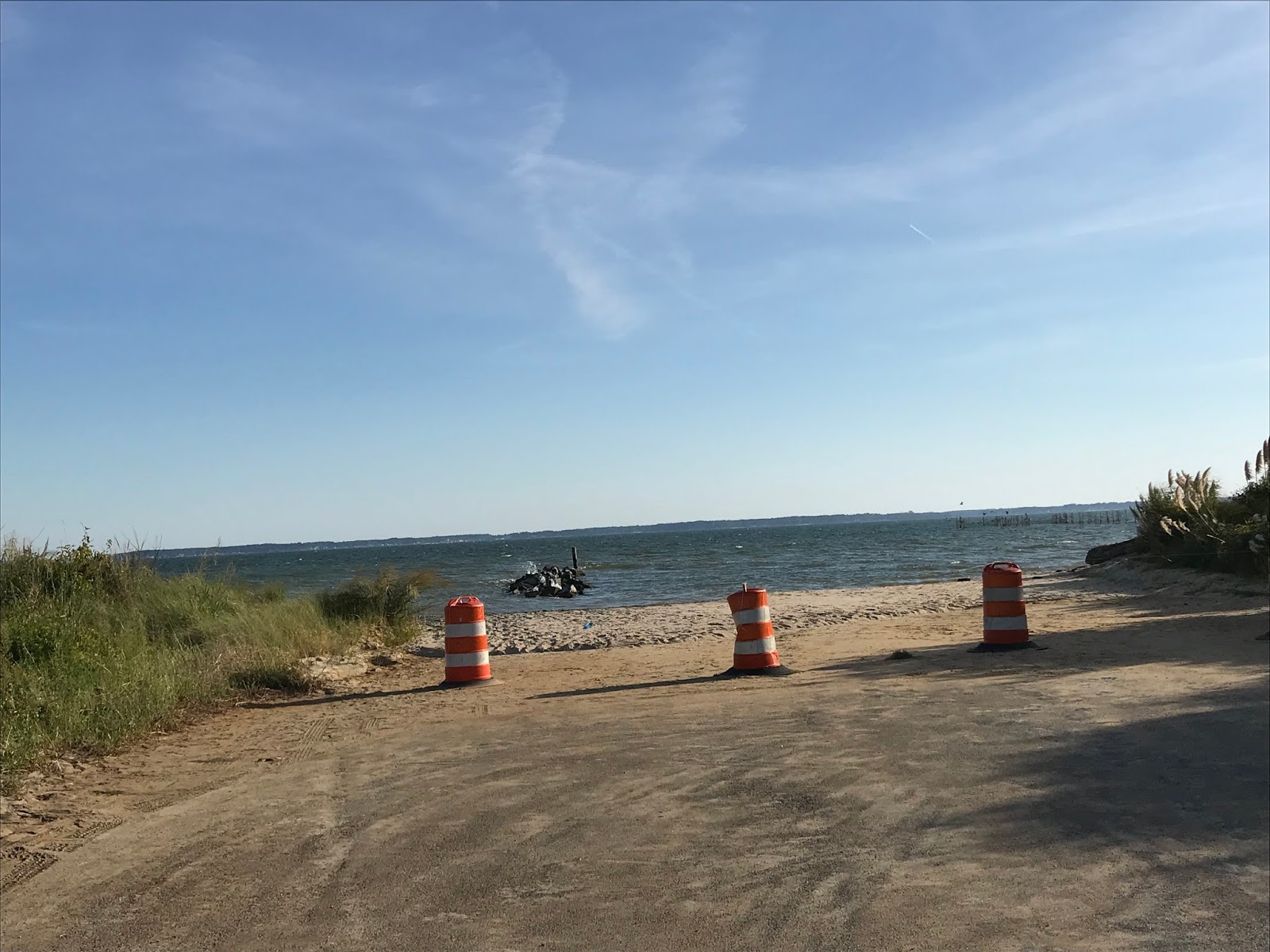
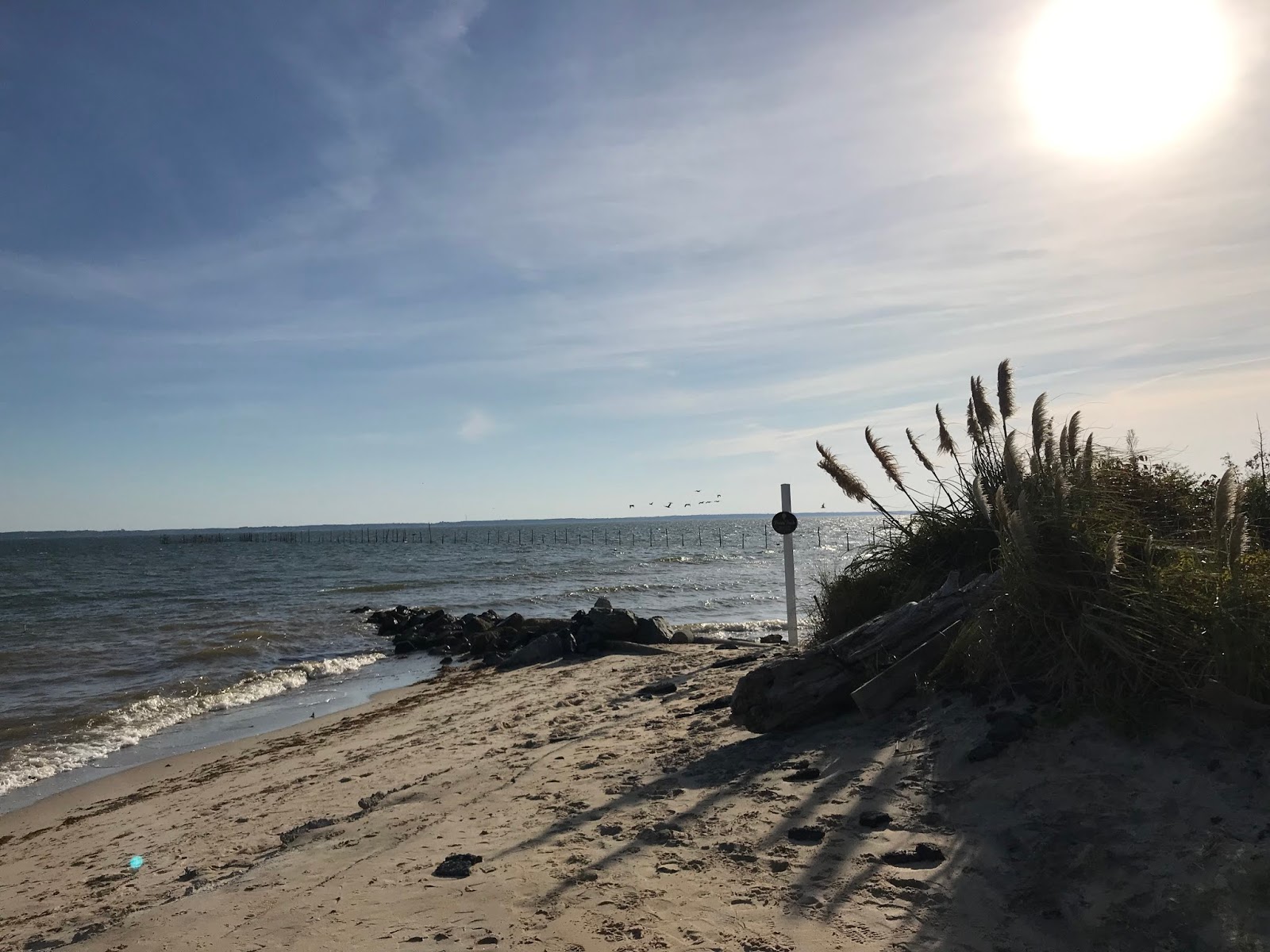
Other roads were more like this one at Windmill Point: a clear signal (as if you needed one) that if you want to go further, you’ll be needing fins or flotation devices.
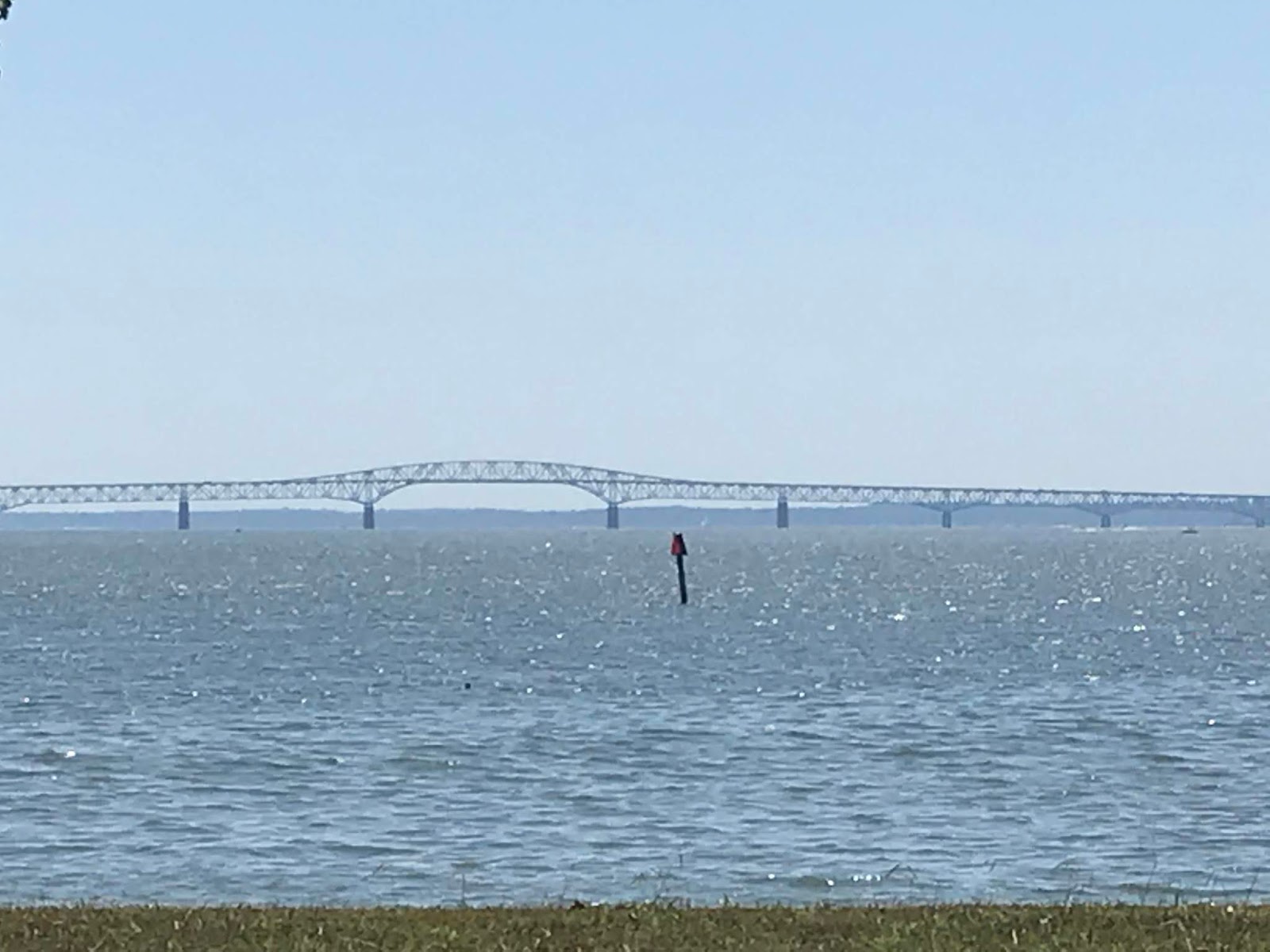
The road to the village of Weems ended at this overlook — well, not exactly an overlook, more like a backyard with a world-class view. You can see the big bridge to the Middle Peninsula from here.

When land meets water, roads and cars take a back seat to boats and bridges.
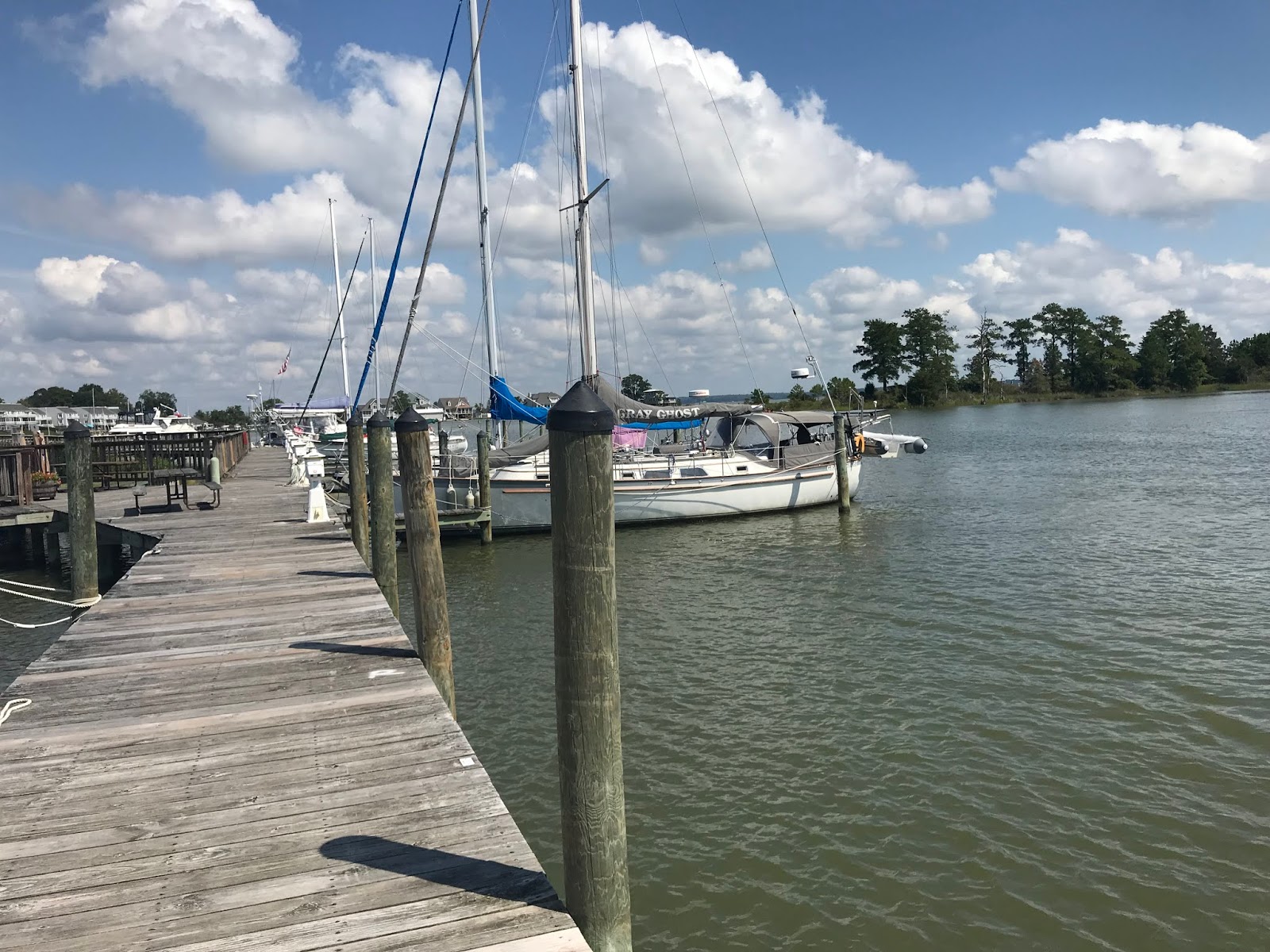
Urbannahhhh!

Urbannahhhh!

It’s really Urbanna, but I couldn’t resist adding a sigh of pleasure at the end. Where have all these sweet Virginia port towns been all my Virginia life?

Like Reedville, Irvington and Kilmarnock, Urbanna is a small place with a large footprint, large because its role in the beginning of American history gives it a certain heft. In all these small towns, homes and shops cluster around landings that became docks that became marinas that now lie sparkling in the sun. But before the sailboats and motorboats there were steamers and sailing ships, and the harbors and quays were where business was conducted, not pleasure.

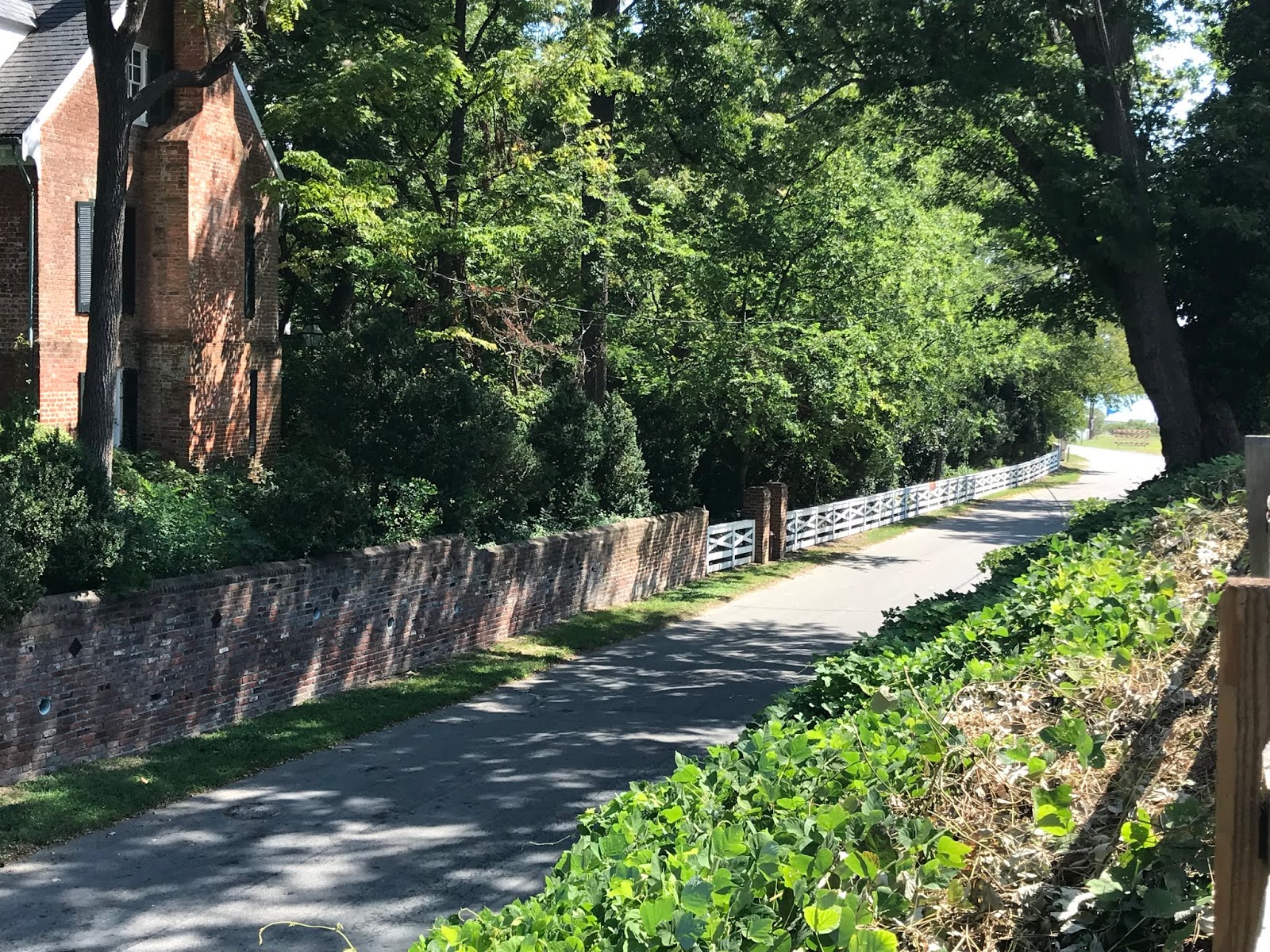
To reach the Urbanna marina, for instance, you walk down Prettyman’s Rolling Road, one of the oldest thoroughfares in America, a historical marker says. The “rolling” was named for how 1000-pound hogbacks full of tobacco were moved from custom house to ships and from there to the motherland more than 3,000 miles away.

I walked instead of rolled. But once down the shaded lane, it was easy to imagine the bustle of yore because of the modern busyness.  It was a glorious late-summer day, and sailors, kayakers and sightseers all gathered at the harbor.

 I watched one sailboat motor slowly down Urbanna Creek on its way to the Rappahannock and, ultimately, the bay. It would be back by nightfall. It wasn’t traversing the Atlantic. But as the water gleamed and a breeze promised smooth sailing, it was easy to imagine otherwise.


(No wonder I like the town. I later read that it means “City of Anne,” which I should have figured out from my ninth-grade Latin. Named not for me, of course, but for England’s Queen Anne, most recently portrayed — and not prettily — in the movie The Favourite.”) 

Chesapeake Steamboats

Chesapeake Steamboats

One of the reason I love to travel is that it opens up worlds you’d never know if you didn’t leave home. It’s not just seeing the sights and meeting the people. It’s imbibing the history and culture.

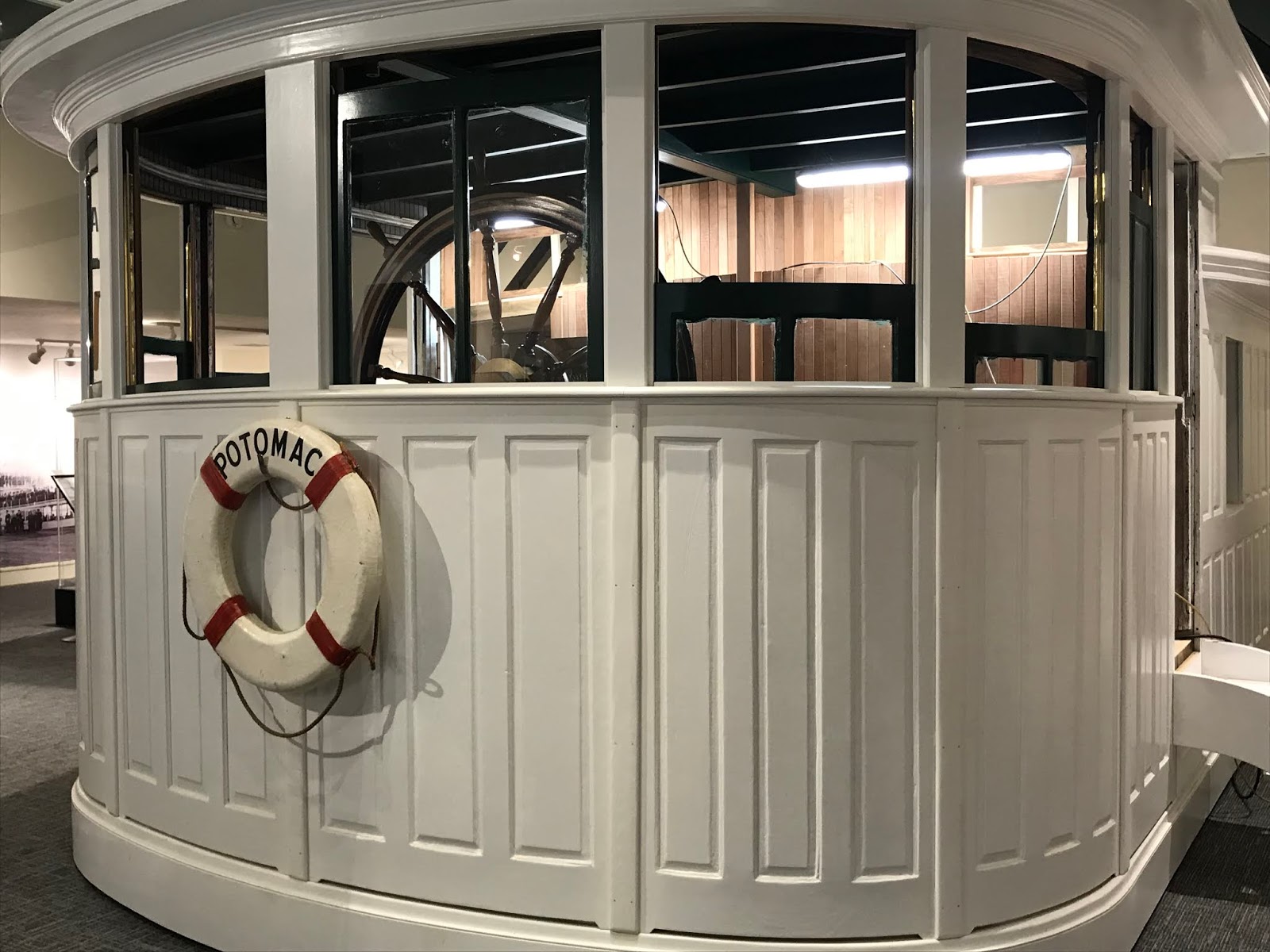
Things like the Chesapeake steamboat culture, for instance, which flourished from the 19th century into the 20th.  Boats plied the rivers, creeks and inlets of this watery world, picking up tobacco, produce, seafood — and people — and taking them to Baltimore or Norfolk. Neighbors would gather at the wharf when the boats made their return trip to retrieve the tools, lumber or lace they’d ordered from the big city.

Steamboats served as buses, ambulances, bars (you could get a drink on one during Prohibition) — and stages. The musical “Showboat” was based on an Edna Ferber story she wrote after spending time on the James Adams Floating Theater, which mostly plied the Chesapeake.  These floating stages might be the only live entertainment a family could count on all year long. It was a big deal when the Floating Theater came to town.

Chesapeake steamboats — until this afternoon, I never knew they existed.

(This is the pilots cabin from the steamer Potomac, which is being restored in the Irvington Steamboat Museum.)

Virginia Tidewater

Virginia Tidewater

This is a land of inlets and bridges, of boats and buoys. It’s the Virginia Tidewater, home of three peninsulas — the Eastern Shore, the Northern Neck and the Middle Peninsula.

It’s a place of fringed coastlines, of oat grass waving in a stiff breeze off the Chesapeake. There are beaches here, but they are small and riverine. And the water is salt, fresh and brackish.

As if to mimic this variety, the landscape holds colonial churches, ancestral estates, boardwalks for bird-watching — and even an oyster academy.

It’s not a matter of what to do … but of how much we can cram in.

ROVA

ROVA

It’s the morning of a four-day weekend and we’re off soon to Virginia’s Northern Neck, a spit of land that lies between the Potomac and the Rappahannock.

It’s a land of marsh and water fowl, of water vistas and sailing ships. Known for its oysters and wineries — also the birthplace of five early presidents.

I know far too little of this state that I call home. To be a resident of Northern Virginia (NOVA) is often to be far less familiar than one should be with the Rest of Virginia (ROVA).

Today we put that at least partially to rights.

Still Green

Still Green

An evening walk after rain, fir trees dripping, sky a mottled blue with pink around the edges.  I take my time, and Copper wants to saunter, too.

It’s slightly cool and very moist. The sound of gurgling from the neighbor’s fountain matches the general wetness, though I notice that our driveway seems much damper than the street.

Two doors down I spot a bluebird flitting from branch to branch, flashing its bright plumage in the dusk.  A few steps away a giant arborvitae towers over a small culvert that is fenced off with split rails and a tough vine that sports purple flowers earlier in the season. In the meadow, a soft mist is gathering in the twilight.

Copper and I turn around under the large maple that will be flaming scarlet in a month or so. But for now … it’s still green.

Shock Absorbers

Shock Absorbers

As a walker in the suburbs I do a fair share of pavement-pounding. But as a homeowner in the suburbs I do a fair share of driving, too.

Today I pick up a car that was in one shop and now must go to another. It’s an — ahem! — older vehicle, a tad finicky, and has lately begun swaying like a covered wagon on the Oregon Trail. Faulty shock absorbers are the culprit. 
This has me thinking about shock absorbers in general, and how nice it would be to have them for the daily irritants of life, some sort of invisible bubble wrap that would protect us from missed trains and long waits at the doctor’s office. 
I know they exist — they’re called prayer and meditation and the active practice of gratitude. But sometimes I’d like an easier, more self-indulgent solution. 
Fallophoboia

Fallophoboia

You won’t find this condition in the DSM. It’s real, though. It’s the fear of falling leaves, nips in the air and all the other harbingers of autumn that put a skip in other people’s steps.

I won’t deny that I’ve enjoyed the last few low-humidity days, the blue skies of Sunday, the white puffy clouds, sleeping under a light cover with the windows thrown open to the evening air.

But brown leaves on pavement give me a fright, as do quieter nights, crickets only, no katydids.

I love summer, that’s all there is to it. And while I console myself with the knowledge that spring will be here again before we know it, the truth of the matter is that we must trudge through fall and winter to get there. And sometimes that seems like a tall order.

Saving Papers

Saving Papers

It turns out that the torrential rains that plagued us the last couple of weeks seeped into our basement (usually dry) and had their way with a few boxes. Since these boxes contained paper (as oh so many of them do), this was not a welcome development.

Of course, it’s never a welcome development when your basement is even partially flooded … and let’s just say that not everything in my house is tidily placed on shelves and ensconced in plastic tubs. Which means there were some waterlogged files. Nothing terribly vital, but material that I had saved, and at one point had some utility.

In the general vicinity were two large boxes of newspapers. Saving newspapers is something I come by honestly — Mom was a pro — and I’m no slouch myself. This was soon made abundantly clear. Some of the saved newspapers contained articles or op-eds I wrote. Fair enough. But do I need to save the entire newspaper? No! That was an easy one.

More difficult was deciding which of the historical newspapers to keep. I settled on 9/11, Clinton Elected, Clinton Impeached, Bush Elected and … somewhere there’s an Obama Elected one too but it must be in a different box.

And then there were newspapers for the day of each daughter’s birth. I’d forgotten I did this. These papers will, I hope, mean something to each of them someday. But what they mean to me now — especially since two of the girls were born on Sunday — is that I have just that much more heavy newsprint in of my house.

Simple Gift

Simple Gift

One of the simple gifts, a gift that doesn’t always seem like a gift but sometimes a drudgery, is waking up every morning. The weekend wake-ups are best, of course, unforced and un-alarmed as they are. But even the weekday ones, rushed and bolt-upright, are proof we wake to live another day.

A good thing? It doesn’t always seem that way. But mornings are the exception even when there’s general gloominess afoot. There is something about a morning, and especially this crystalline one I’m experiencing right now, that makes me glad to be alive.

I’m not going to analyze this too much — or second-guess myself for being a soppy optimist.

I’m just going to enjoy it.

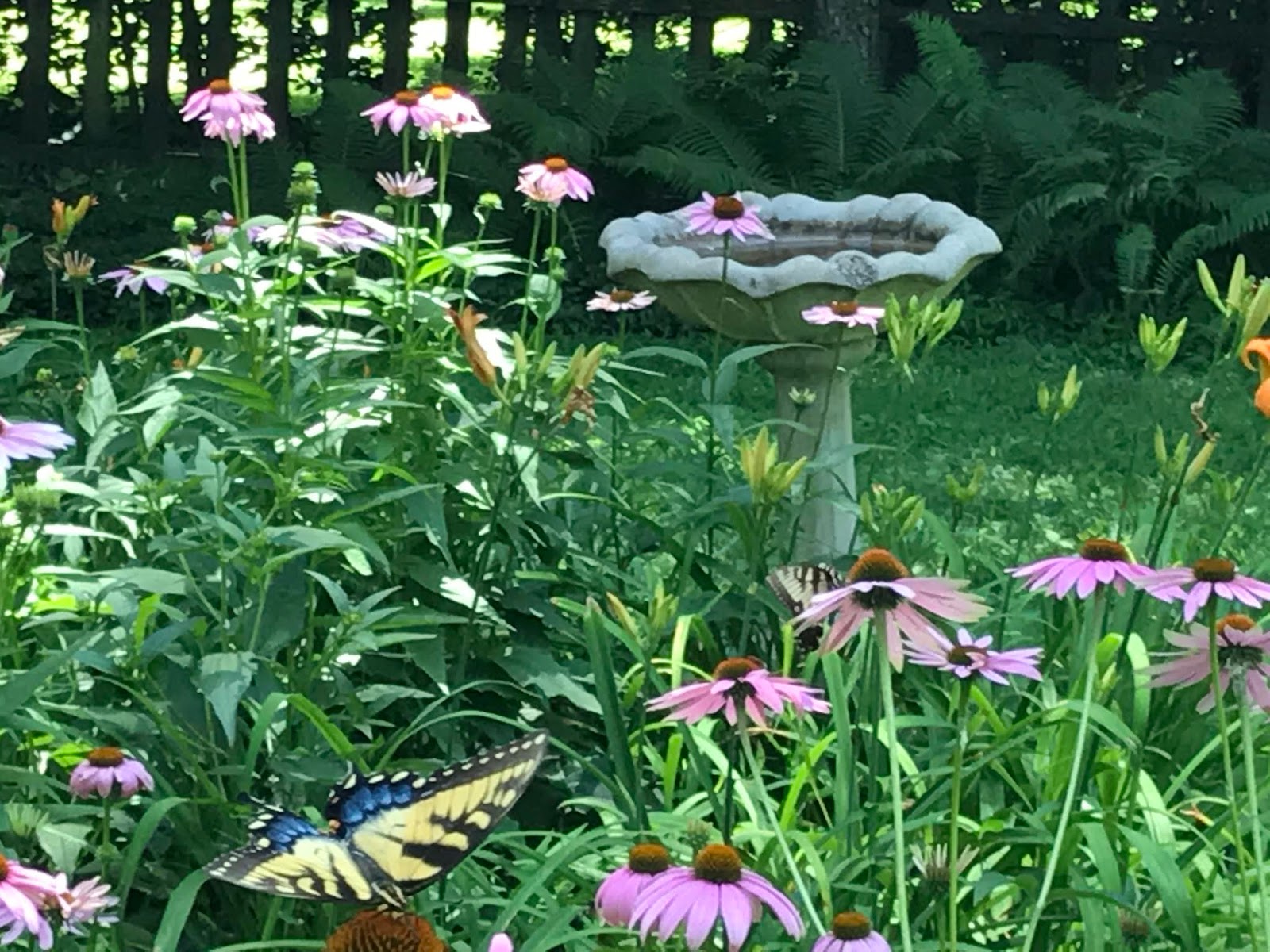
(Morning light in the garden, late June. Alas, the coneflowers aren’t looking this good now.)