When temperatures hit the teens, running is better than walking. This morning I skittered to my office, shortening the seven-minute stroll to less than five. The sun wasn’t up yet and a dreary light filled the void. Cars belched clouds of visible exhaust and the few commuters I passed kept their heads burrowed in their scarves.
I tried to keep it loose but when I’m cold my shoulders bunch and my grip tightens. I cinch in my coat, turn up my collar and dash down the sidewalk. This is not the way to deal with winter, I know. It’s easier when you relax. But today I’m moving quickly, still trying to beat the cold by moving through it as fast as possible.
Tom showed me a chart in the newspaper on New Year’s Eve, a chart that recorded the highs and lows, the improbable multiple dips and rises of the stock market in 2011. Funny thing was, it ended right where it began at the end of 2010.
There is cause for celebration in this. For the patient investor, obviously, who finds that — yes! — he still has a retirement fund. But for all of us who think we have fallen far when really we’re stuck in the same place.
I don’t like being stuck, stuck isn’t good. But it’s better than the alternative. So here’s a toast to all of us who, for whatever reason, find ourselves this year right where we were last year. We know what we have to do; now we just have to do it.
Winter came in with a vengeance last night. I didn’t feel it as much as I heard it. It hitched a ride on a wild west wind and galloped into our neighborhood in the middle of the night. It roared and growled, set the bamboo a rat-tat-tatting against the house and drove the wind chimes into overdrive.
It’s Arctic air, the weather folks say. I say it’s Winter and it’s angry, ready to take back its time. Enough of this balmy rain, this blooming-time air. This is the real thing. It keeps us inside and drives newly landed birds deep into thickets, where they fluff themselves up to wait it out.
I wait it out, too. Maybe I’ll walk at noontime, when the sun has some power over the cold and the wind has subsided, even a little.
The balmy temperatures of the last few weeks mean that cherry trees are blossoming and daffodils are peaking through the soil. Worries about global warming aside, it’s a nice way to greet the new year — with new growth, new life.
As I write, sun pours through the kitchen window making rainbows through a prism. We still have the holiday place mats, candles and poinsettia on the table and the Christmas tree lights up a normally dark corner of the living room. There is, then, a feeling of fullness.
I just came in from a brisk walk through the neighborhood. Resolutions are wafting through my head. I’m surrounded by people I love. So all is well this first morning of 2012.
I saw them the day before yesterday, a flock of robins in our front yard. I haven’t been organized enough to notice if they were here earlier, or to note their first appearance in years past. But there they were on a cold blustery winter day, pecking in our winter-wan grass, nibbling the holly berries and flitting about the leaves and wood pile.
There were more than a dozen of them, with their red breasts and trim beaks. I wondered where they had come from and if they would stay.
It’s too early to think about spring. I know that. But seeing those robins, hearing their call, feeling the warmth in the air this morning as I walked — it all has done my spirit good.
I was out early this morning, early enough that my breath still made clouds in the air, out with the earliest of moseying dog walkers. Lately I’ve been too busy to venture much farther than the loop walk in our neighborhood. But today I turned down West Ox.
It’s a road that was widened a few years ago — with a bonus for walkers, a paved path alongside it. You can walk this path for miles if you want — all the way to the shopping mall. Not that I’d want to.
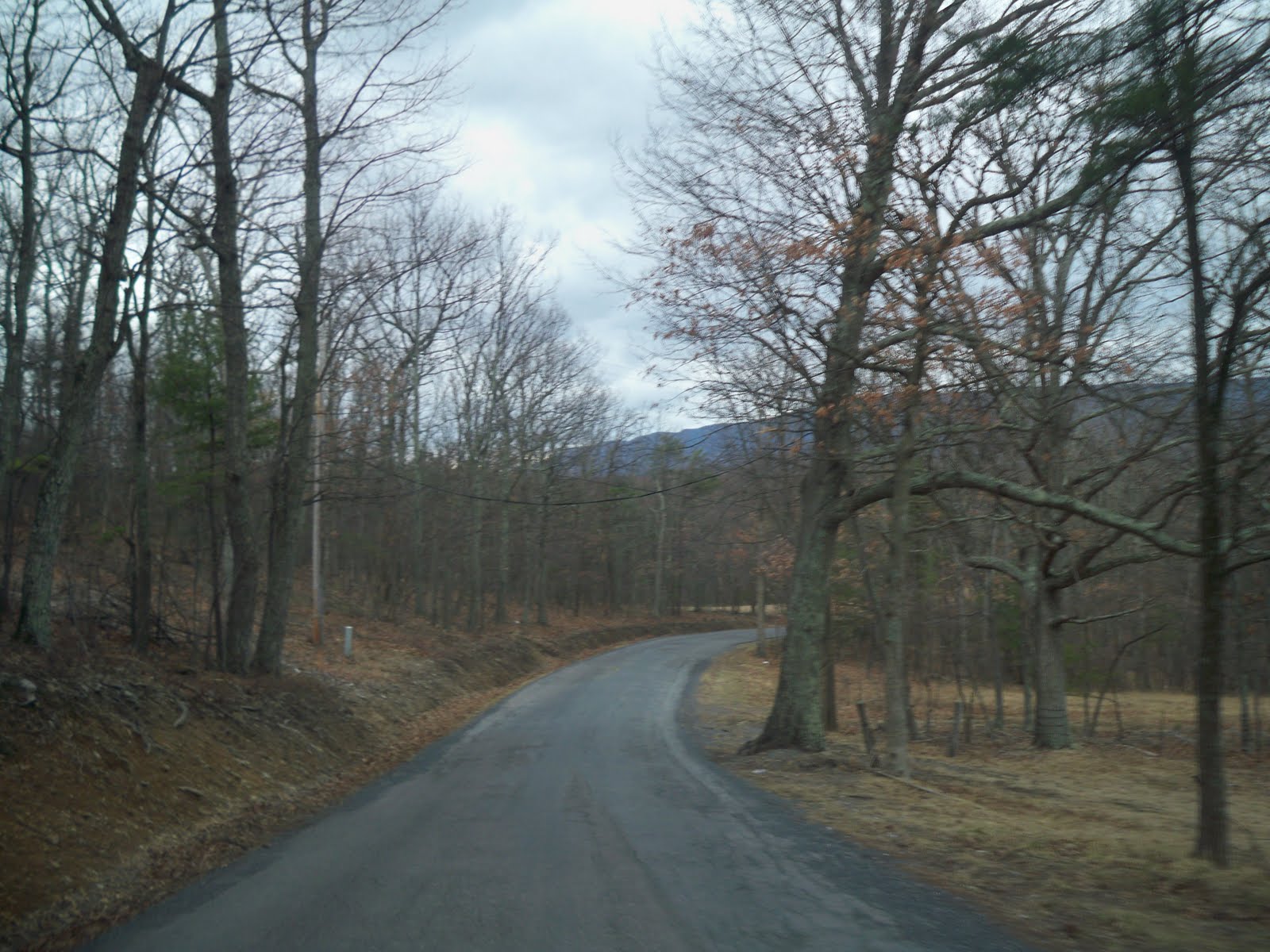
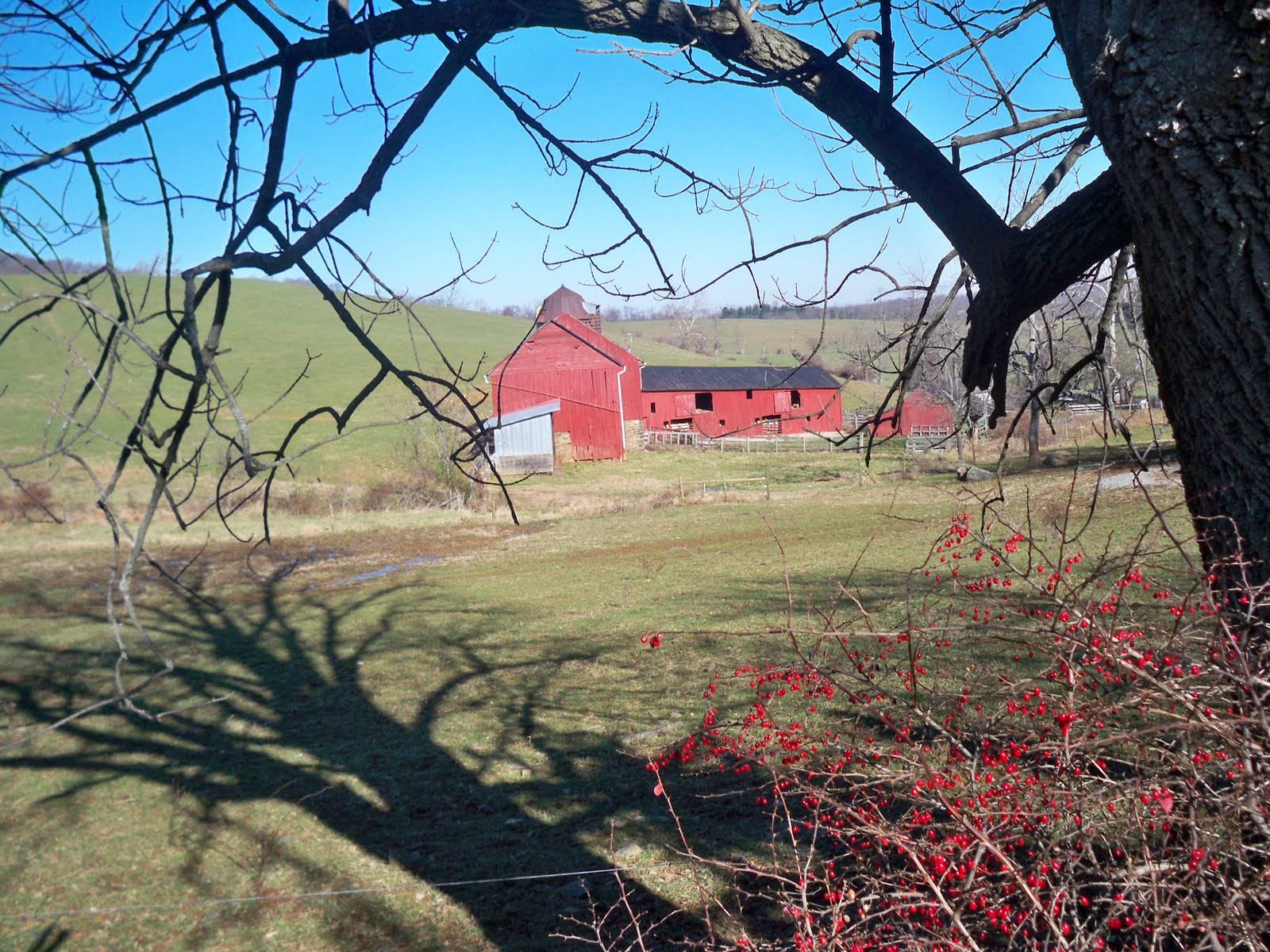
Today I took it past several neighborhoods and a garden shop, a church and an old barn. As I strode, the sky pinked and the clouds fluffed and beams of light made it difficult to look up. (I had forgotten my sunglasses.) My eyes teared from the fresh air and the wind and the morning sun.
It didn’t look at all like this picture, but it was a good way to start the day.
The recycling bin is overflowing, the wrapping paper stowed away. You can see the living floor again. Which is to say that the hurricane that is Christmas has roared through our house. In its place is a sudden calm that I try to interpret as peace.
Outside a gentle rain is falling. I just walked through it. I didn’t mind that the drops were dripping down my face. I welcomed the cool air, the sodden smell.
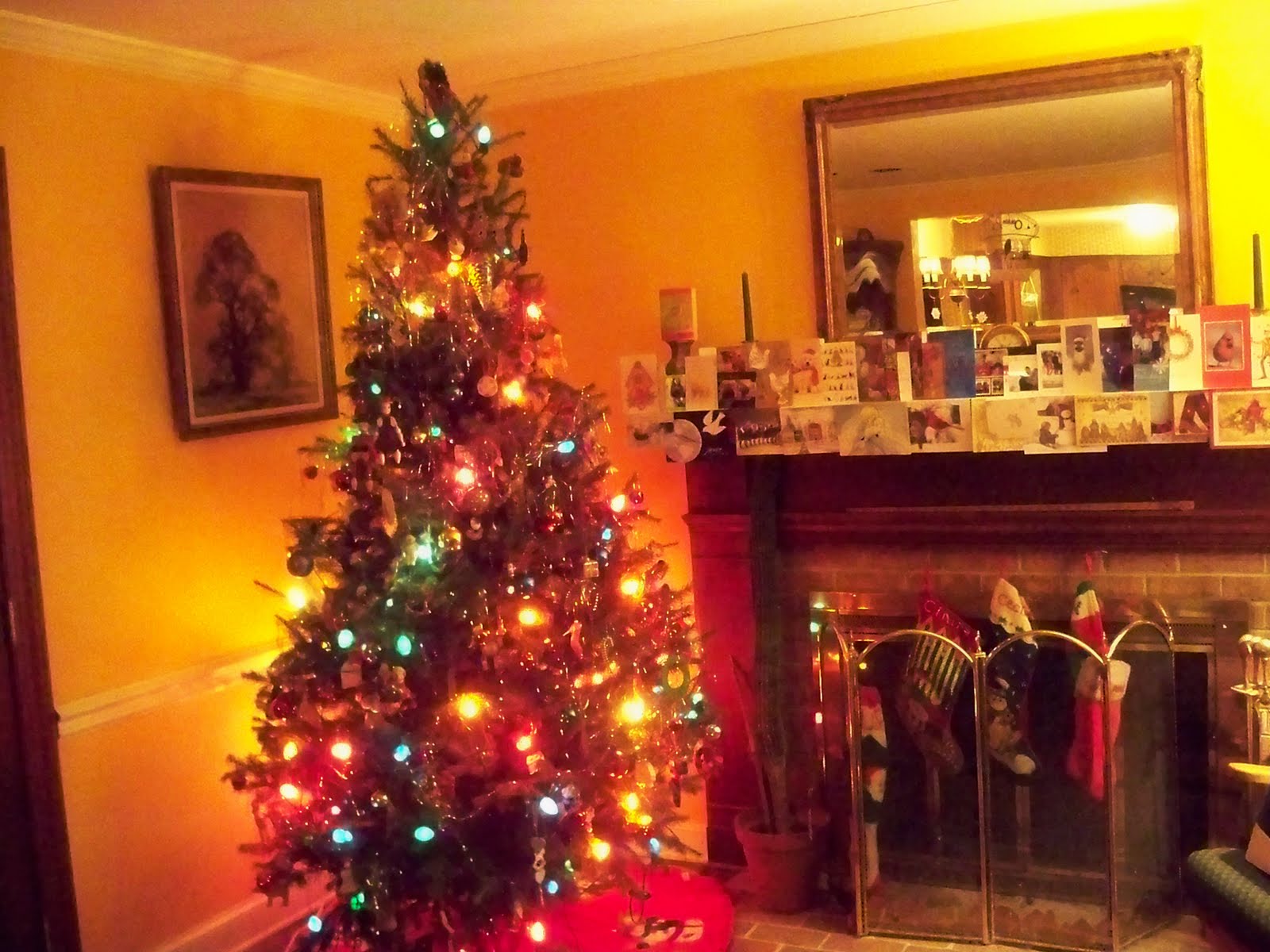
Our old house has seen better days. The siding is dented, the walkway is cracked, the yard is muddy and tracked with Copper’s paw prints. Inside is one of the fullest and most aromatic trees we’ve ever chopped down. Cards line the mantel, the fridge is so full it takes ten minutes to find the cream cheese. Which is to say we are as ready as we will ever be. The family is gathering. I need to make one more trip to the grocery store.
This morning I thought about a scene from one of my favorite Christmas movies, one I hope we’ll have time to watch in the next few days. In “It’s a Wonderful Life,” Jimmy Stewart has just learned he faces bank fraud and prison, and as he comes home beside himself with worry, he grabs the knob of the bannister in his old house — and it comes off in his hand. He is exasperated at this; it seems to represent his failures and shortcomings.
By the end of the movie, after he’s been visited by an angel, after his family and friends have rallied around him in an unprecedented way, after he’s had a chance to see what the world would have been like without him — he grabs the bannister knob again. And once again, it comes off in his hand. But this time, he kisses it. The house is still cold and drafty and in need of repair. But it has been sanctified by friendship and love and solidarity.
Christmas doesn’t take away our problems. But it counters them with joy. It reminds us to appreciate the humble, familiar things that surround us every day, and to draw strength from the people we love. And surely there is a bit of the miraculous in that.
Yesterday I left the house early, and as the sun rose I was walking an old route I hadn’t been on in years. Some of the houses had additions, but other than that the scenery was just as I remembered it. The yards were just as deep and forgiving, the trees as lofty.
And the route itself: There was the same rise to the straightaway, the expansive section in the middle, the one that was such welcome shade in the summer, it made me happy in the winter, too.
I didn’t walk long, but I felt as if I had been on a brief vacation. Such is the power of landscape to reset the mood.
As our tree now sits all glittery and ornamented in a place of honor in our house, I think back to where it comes from. It’s nice to have a tree whose family you know, whose environs you remember. A placed tree, I guess you’d say.
I wonder if our tree carries within it any memory of that north-facing slope, or the faraway view of the Blue Ridge it had once — and lost. Now it looks serenely over our living room, and, if it turns its head a bit, the kitchen, too. It can also look out the windows and French doors, see other trees still rooted and attached to the ground that gave them life.
Well, if the tree can’t remember, I can. When I look at it I see a place where the land rolls and houses are tucked into the folds of it. I see a place where beauty is not forgotten.