Yesterday after work I had one of those stray patches of time that appear in a day. Luckily, I had my walking shoes on, so I took to the hills. Sort of.
The hills I took to are part of a gas pipeline easement that runs through our part of the county. Because this land must be kept clear it offers an untrammeled view through the heart of suburbia. With a little imagination it could be a lower slope in the Scottish highlands. It has that sort of lilt and roll to it. For about a quarter mile I pretended, then I ran into a fence.
I finished my walk on a street that seemed wet behind the ears when we first moved here but seems now to have settled into itself. Houses have moss on their roofs and stories to tell. Trees lean into each other, as if to share secrets.
The sun was low in the sky, the air was soft and light. I wasn’t in Scotland, but I was transported.
It’s the first day of September. I had almost forgotten that until I was boarding my second Metro of the morning and something in the set of the shoulders of a departing rider, or some linked thought that came to land on the shoulders of the departing rider, reminded me it’s a new month.
And then again, walking the short blocks here, office windows glinting with reflected light, I caught a whiff of what surely is an autumnal smell. Not the acrid aroma of crushed leaves, but the slightly nauseating odor of tomato sauce wafting from a restaurant on the corner.
It reminded me of heading back to school, of a cafeteria lunch already simmering as we filed through the doors, stowed our jackets and sat down at our desks. It is the smell of early anxiety, of lunch boxes and chalk dust and book covers made of brown grocery bags. It is the smell of wondering who you will sit with at lunch.
For a moment I was little again, and scared. Then I walked a block east and the smell was gone. But the slight churn in the stomach, that was still there.
“My favorite poem is the one I’ve just written,” said the Latin American poet Ernesto Cardenale. I listened to Cardenale on the radio yesterday as I walked through a steadily darkening dusk.
This made me wonder: Is my favorite blog post the one I’ve just written. It’s not, of course. I can’t call them all to mind anymore now, because there have been hundreds, though some stand out. One or two I’ve written in New York, some of my European ones from May 2010, book reviews, and odd, random ones, like the paragraphs I wrote August 18, 2010, the day we donated our old car, or one earlier that month, August 2, about sunsets awing us into silence.
The fact is, some days posts come easily and some days they don’t. The point is not the ease. The point is the doing.
Last week we were so distracted by an earthquake and a hurricane that we missed the main story, which is that summer is ending. Already the mornings are late and cool, and by 8 o’clock in the evening it’s almost dark. Many schools are in session and those that aren’t (like ours) will be next week.
The thing about summer is that it leads you on. In the midst of July you think the heat and humidity, the late nights and early mornings, will always be here. Summer is about limitlessness, about burning the candle at both ends. It is a forgiving season, an easy season. My hair looks better in the summer, too.
So even though I may write posts about the fresh beginnings of fall, the cool, energizing air, the first crisp blank page of a new notebook, there will be some bravado there, some feigned cheer. Because underneath, I will be missing summer.
The rain pounded and the winds roared but our trees remained upright and true. By mid Sunday morning, the sun was shining and the wind had blown in blue skies and puffy clouds. I took my camera for a walk and snapped photos of grasses blowing in the wind, late summer flowers nodding on their stalks and this one, of a pond near us.
It is an ordinary view made extraordinary by the quality of the air yesterday, pellucid and scrubbed clean. It was as if the true nature of the place was shining through.
I pass this pond several times a week, but now I will see, layered over its everyday clothes, this view — the pond decked out in its Sunday best.
Out early for a walk before Irene, I push myself through puddles of air. There is little rain, only sporadic mist. But the sky is gray and heavy, as if tired of its burden, ready to shift it down to earth, to rest its shoulders for a while. And my steps are leaden, too, earthbound.
In the meadow there is barely any movement, just the faintest stirring of the goldenrod and grass. It is a welcome stillness; I pass only one cyclist and two dog-walkers. People are inside, sleeping or waiting for the storm. The quiet suburban paths are free for the taking.
It is a quiet late-summer morning. The “tropical” has reached us before the “storm.”
I have been reading Wendell Berry and thinking about home. In his essay “A Native Hill,” Berry describes a conversation he had with a New Yorker who tried to convince him to stay in that fair city for the sake of his literary career after Berry announced he was moving home to Kentucky. Berry admits that the literary world mattered to him then (and I suppose it still does), “but the world was more important to me than the literary world; and the world would always be most fully and clearly present to me in the place I was fated by birth to know better than any other.”
The man persisted, politely, that Berry, like Thomas Wolfe, “could not go home again.” The man’s argument, Berry says, “was based on the belief that once one had attained the metropolis, the literary capital, the worth of one’s origins was canceled out; there simply could be nothing worth going back to. What lay behind one had ceased to be a part of life, and had become ‘subject matter.'”
Berry’s point, which he makes so fully and beautifully in this patient, expansive essay, is that he has been more fully alive and conscious in his home place, in Port Royal, Kentucky, than he could have been elsewhere. He knows the people and the place, has walked every square mile of its hollows and ridges, understands and accepts its less than perfect history. And because he has been more fully human living in Port Henry, he has (I extrapolate) been truer to himself as a writer, too.
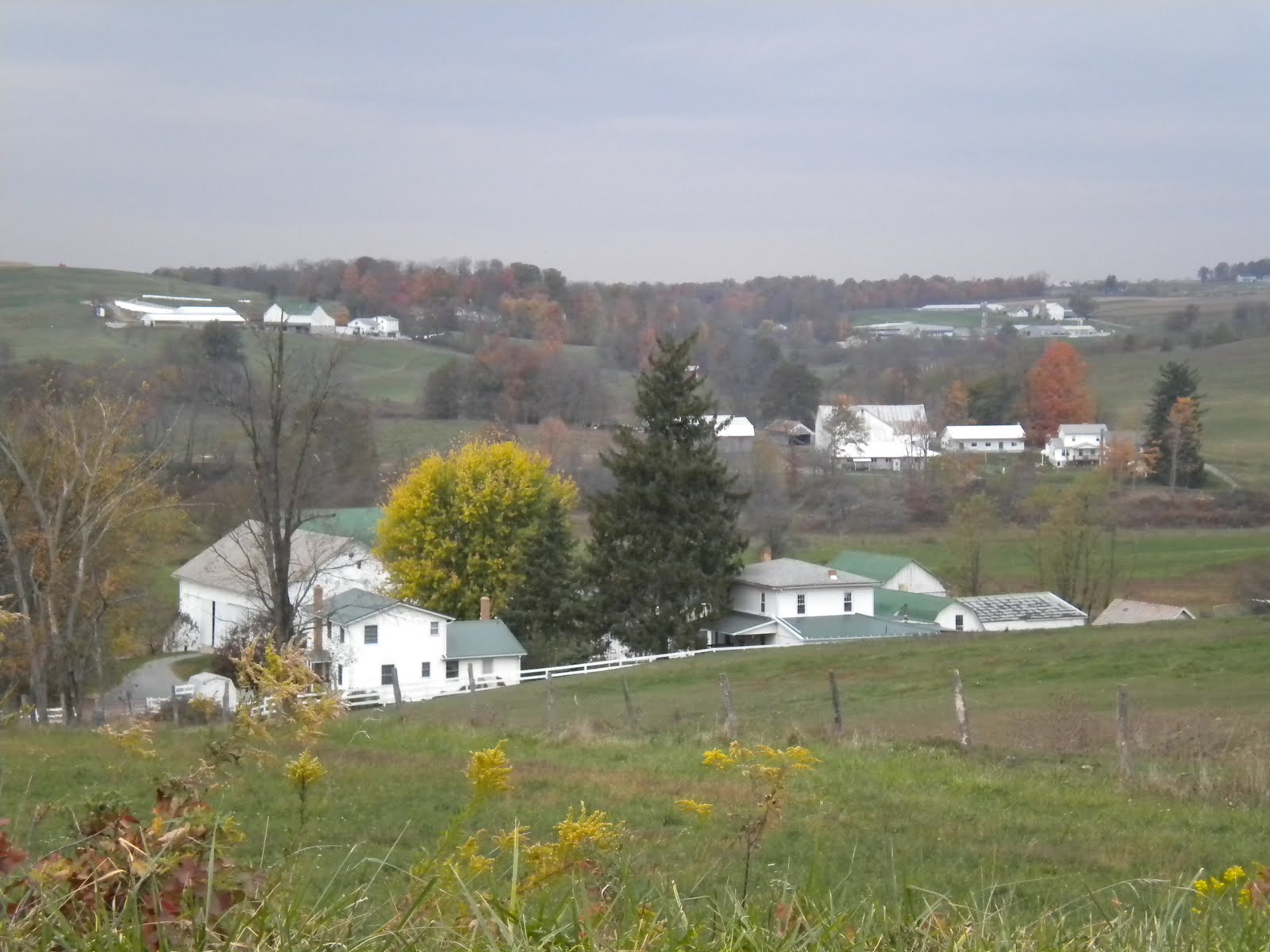
I could not be Wendell Berry — I am neither as smart nor as stern as he (and I am not a man) — but I admire his thinking and his writing, his economy of word and thought. And I imagine I will be writing about him again. In the meantime, I illustrate this post with a picture of a hill I have come to love. It is not a “native hill” — it is neither in my home state of Kentucky nor my adopted state of Virginia. It is in between. It is a hill I pass on the long drives through West Virginia that keep me tethered to the land I love.
After the earthquake struck Tuesday, all I wanted to do was go home. Home would be its usual chaotic, cozy self. Things would be right where I left them.
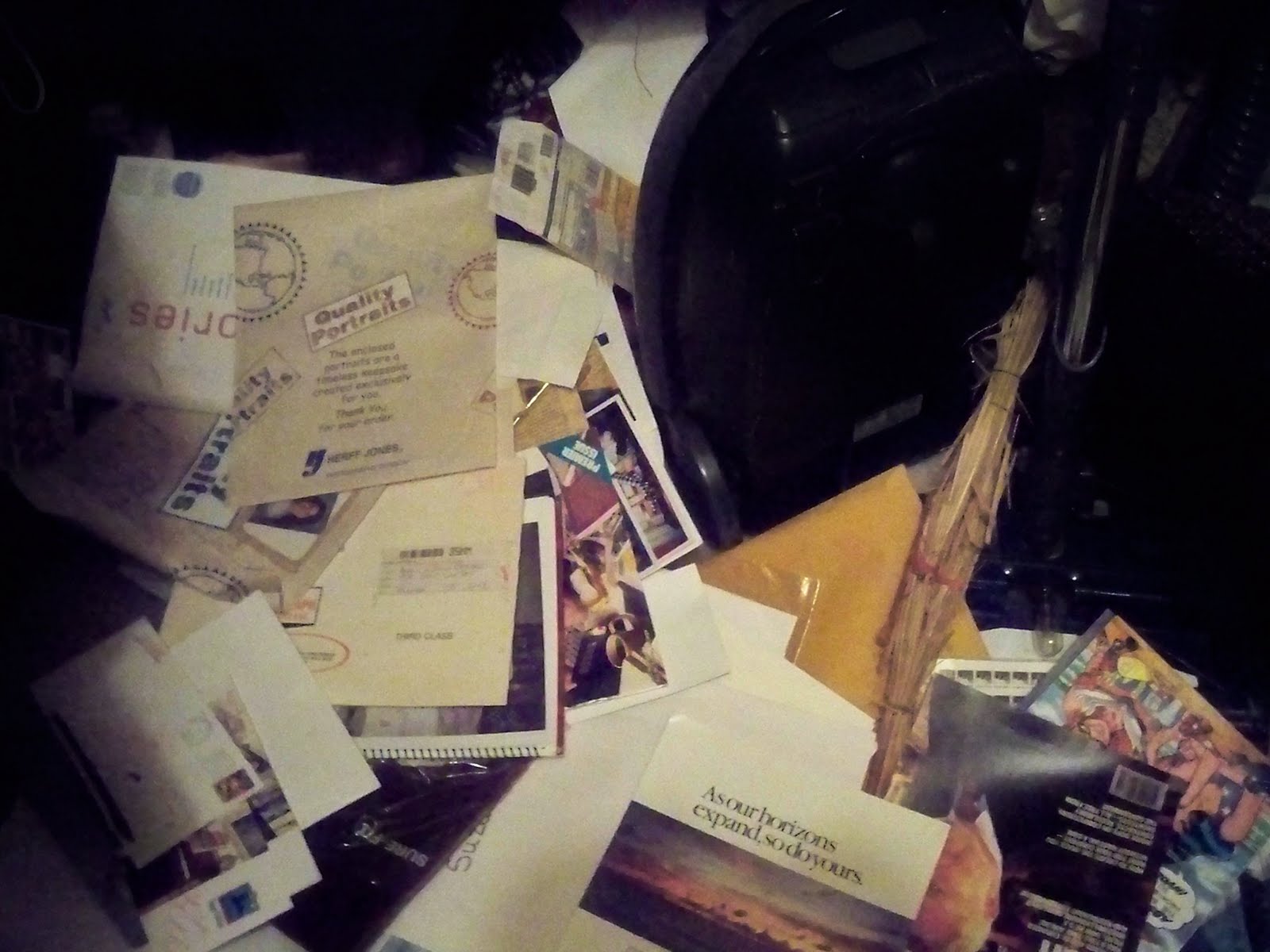
Of course, the earthquake shook our suburb, too, and apparently shook harder here than it did downtown, shattering one of our nicest pieces of wedding china (a covered vegetable dish used more for storing receipts than serving mashed potatoes–that will teach us to use the good stuff instead of the everyday) and shaking down the closet where I store magazines, photographs, the girls’ school work and other memorabilia.
I snapped a photo before I tidied up, took it to remind myself what a pack rat I am and how much cleaning and organizing I need to do — but also to certify the power of nature. An earthquake, as we are all too aware after the tragedy in Japan, can rip apart an entire society. But even a 5.8 quake like ours exposes fault lines and weaknesses. An earthquake reverses order.
After the last big tremblor in Virginia in 1897, I read, the water swirled the opposite way out of the springs. And if my closet holds any lesson, it is this one: After an earthquake, what was once on the bottom is now on the top, and what was once on the top is now on the bottom. It is a reversal, a correction.
It was shortly before 2 p.m. and I was finishing lunch at my desk when I heard what sounded like a bunch of people running and jumping above my ground-floor office in D.C. This didn’t make sense, though, because I had never heard footfall before from the upper levels. Before I could process that fact, the entire building began swaying, and I realized that as unbelievable as it was, we were most likely having an earthquake.
By the time I got outside I realized I had left my purse, my phone and all my work inside. All I brought with me was a Diet Coke — not the most practical item for bail out but (apparently) what I had in my hand.
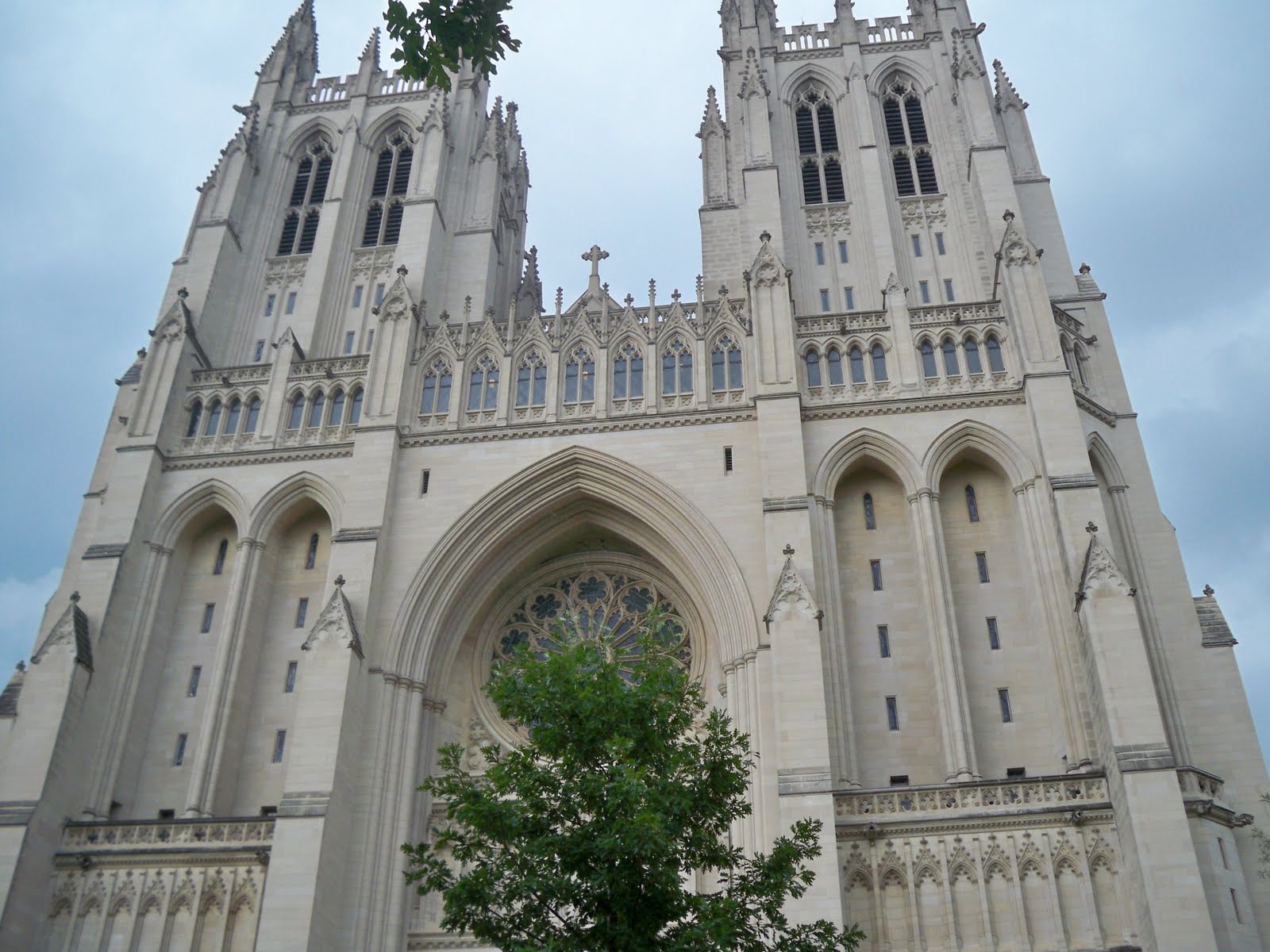
There are cracks in the Washington Monument, damage to the National Cathedral and fallen masonry all over town. It is not what you expect when you go to work on a perfect late summer day. It is, therefore, a good reminder of the preciousness of life.
Some books start strong and peter out as they go forward. Others pick up steam in the middle and race you to the finish. The Social Animal, by David Brooks, is neither of these. It’s a strange hybrid of a book, an attempt to explain the latest research on learning and emotion through the stories of two fortunate, happy (fictional) people, Harold and Erica.
Harold and Erica for the most part make their own good fortune, and they are likeable people, or at least Brooks makes you like them. My problem was, I wanted to know them better. The fiction part of the book kept getting in the way of the nonfiction part, at least for me.
But as the book progressed, I got used to its split personality and was uplifted by Harold’s final revelations:
“Harold tried and failed to see into the tangle of connections, the unconscious region, which he came to think of as the Big Shaggy. The only proper attitude toward this region was wonder, gratitude, awe, and humility. Some people think they are the dictators of their own life. Some believe the self is an inert wooden ship to be steered by a captain at the helm. But Harold had come to see that his conscious self — the voice in his head — was more a servant than a master. It emerged from the hidden kingdom and existed to nourish, edit, restrain, attend, refine and deepen the soul within.”
This is a book about depth — and the depth makes all the difference.