A long walk this weekend made me catch my breath. Everywhere I looked were green shoots, tremulous buds. High up in the woods, a pinkish haze of near-budding boughs. Every year I notice this: that for trees, spring starts at the top. Reckoned by calendar and temperature it is still winter, but the lengthening days, the bold plants reasserting themselves, the warmth in the air — all these speak to a shoulder season of green promise and yellow possibility. A season in its own right, a season of potential — almost-spring.
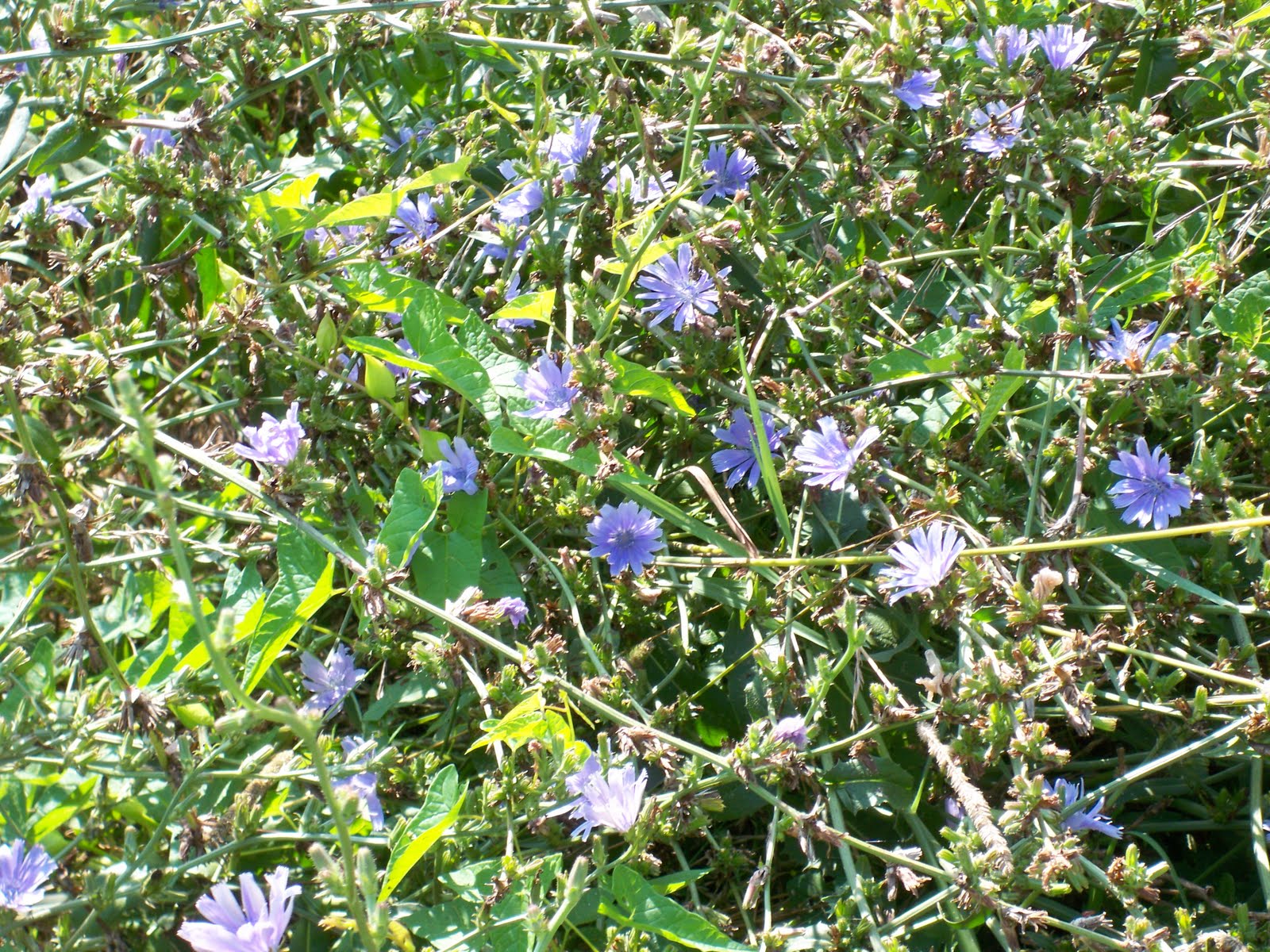
Lately all we’ve been harvesting are twigs and branches from our brittle aging trees. The winds have blown and the sticks have fallen. But yesterday I noticed in the half-light of morning a tiny yellow flower, an anemone ( I think). I don’t recall planting it but I do remember seeing flowers like it in Sweden. Could a seed have slipped in on our shoes somehow? Are we planting in our sleep? I decide to take it for what it is: a mystery of spring.
News of the earthquake in Japan and the tsunami racing across the Pacific Ocean makes it hard to think of much else this morning. But a Washington Post review of the movie “The Kids Grow Up” raises questions about our highly observed younger generation and the ethics of posting cute kid videos on You Tube. At one point the mother of the girl profiled in “The Kids Grow Up” said to her husband, the girl’s father and a documentary filmmaker, “Just think, when she works through all this in therapy, she can bring the footage with her.”
I don’t write much about kids anymore; writing articles for parenting magazines and an anti-parenting-book parenting book cured me of that tendency. But this article brings it all back, the self-absorption, the child-absorption, the difficulty of raising kids these days. I’m glad I’m at the end of my child-rearing years, not the beginning.
Sometimes we talk about what’s next. Where will we live when our youngest graduates? Will it be city or country or (once again) somewhere in between? We never finish these discussions.
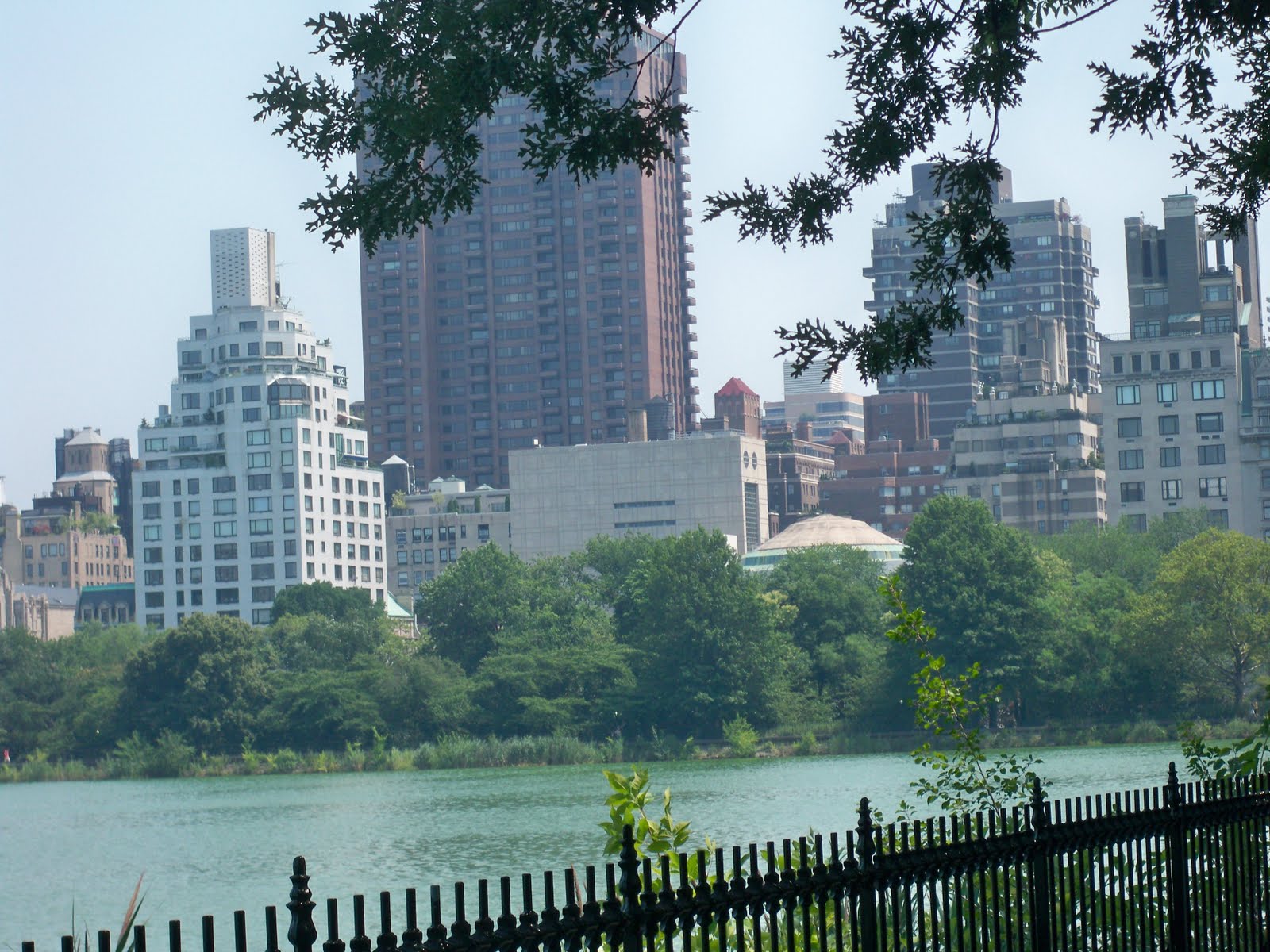
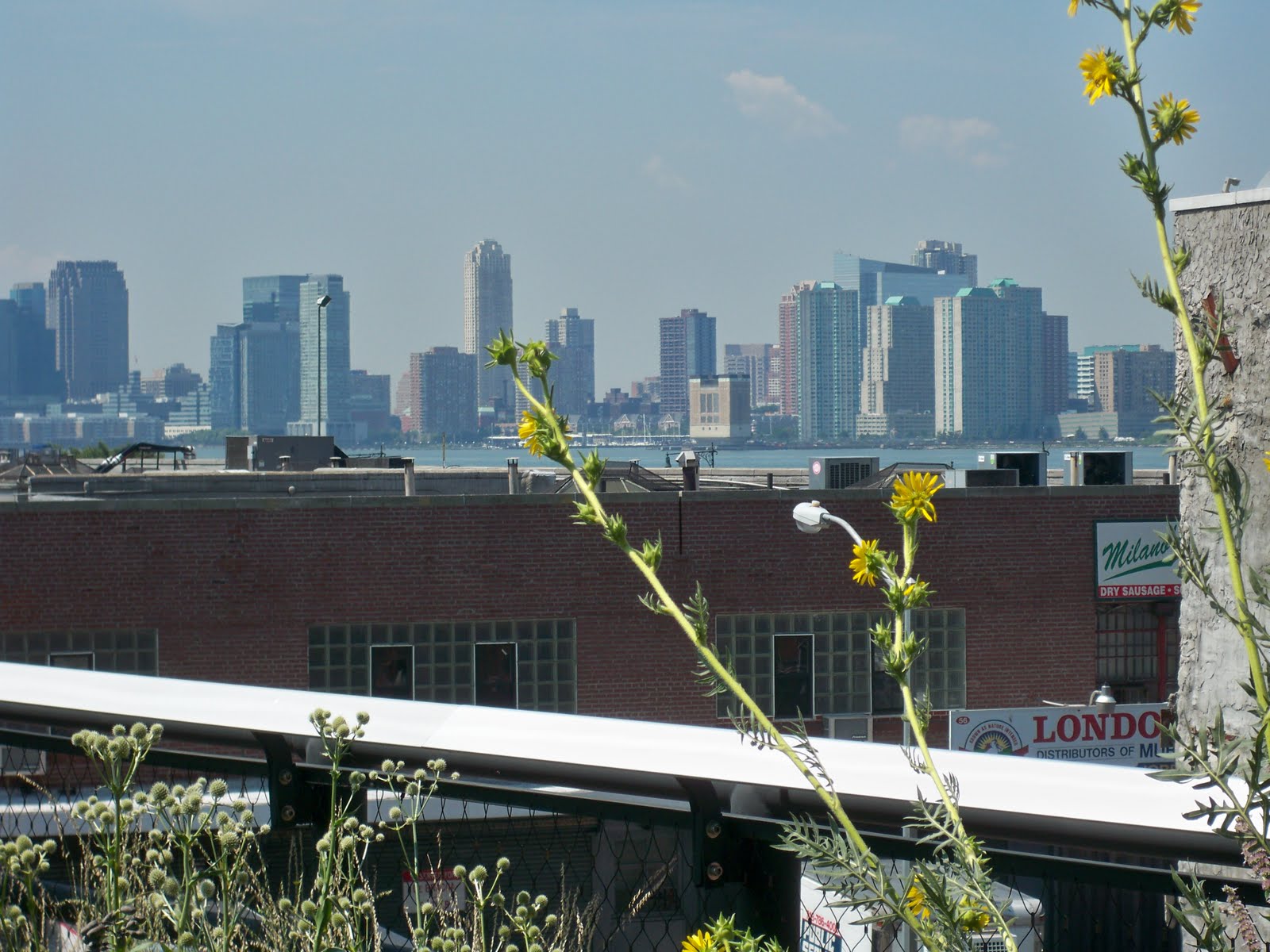
More than 20 years in the suburbs have narrowed my vision and worn me out. I don’t know where I want to end up. But I do know this: I want a view.
Today is Ash Wednesday, the first day of Lent. I heard a few years ago — and have since confirmed — that the word “lent” comes from the old English for “lengthen.” Lent happens in spring when days grow longer and light grows stronger, when we leave winter darkness behind. In this way, then, Lent is more hopeful than often portrayed. It is about moving ahead not just leaving behind.
I am never ready for the penitential parts of this season, for Lent’s fasting and denials. I usually give up chocolate, which isn’t easy but seems increasingly beside the point. Surely more is asked of us. So I seek an ally in etymology. When I think of Lent as Lengthen I concentrate on spiritual stretching, on growth.
I imagine the trees about to leaf, the seeds about to sprout, the grass about to green. All around me is the restraint of nature, a restraint that makes profusion possible.
Astute readers of these posts will notice that they’re as often about books and writing as they are about walking. No walking today; I’m not feeling well enough to get out of bed. So into the bed come books, journal, newspaper, laptop and notes for the article I have to write whether I’m sick or not.
Writing in bed makes me remember something I’d heard about Winston Churchill, that he spent most of his mornings in bed, reading all the daily newspapers, dictating to his secretary, writing. I also learned from a book called The Writer’s Desk that Edith Wharton, Colette, Proust, James Joyce and Walker Percy all wrote in bed. I have to laugh about Walker Percy. For a while it seemed that every novel my book group chose had been blurbed by Walker Percy. Perhaps Percy did his blurbing in bed, too.
I just finished reading Antonia Fraser’s memoir of her life with Harold Pinter, Must You Go? I marvel at the honesty and the tenderness of Antonia’s portrayal of her husband — and also at how they seemed to know everyone in the literary and political establishments. It reminds me of something I know but seldom think about: how small the world is at the top.
But my favorite line has nothing to do with literary lions or radical politics. It is instead this almost off-the-cuff observation Antonia made April 4, 1979: “My idea of happiness is to be alone in a room in a house full of people.”
I’ve never heard it put quite that way, but I understand and agree. We must be alone in order to create; we must be with loved ones in order to live.
One of my walking routes requires that I hop a fence. I’m not trespassing (though I’ve been known to in search of a good path). But I am saving myself a few steps by clambering across the fence rather than looping around it. I climb as quickly as possible, since I can only guess how a middle-aged woman doing this must look. What I need, I thought today, is a stile, a wooden device used to cross a wall or a fence and found predominately in the British Isles.
The absence of stiles — in fact, the absurdity of even imagining them here — is proof of how the suburban world is not designed for walking. Yes, there are paved paths and trails, and I appreciate them. But the trails peter out randomly. Or they run into fences.
In short, this world is built for the automobile. Roads are wide and car-scaled, and many neighborhoods (ours included) have no sidewalks. It is not the English countryside, with narrow lanes, paths from village to village, and stiles across the hedgerows. It is fenced and paved, every walker for herself.
Still, you can’t keep a walker from dreaming. I may be strolling down a suburban street, but in my imagination I’m ambling from Upper to Lower Slaughter in a fine English mist.
Our youngest is visiting our oldest in college, so we are alone: Tom and I and the dog. Downstairs we busy ourselves paying bills, filing insurance claims (the children may be gone but the paperwork of parenting goes on).
Upstairs, though, upstairs — three empty bedrooms stretch like a long sigh down the hallway. The shower is still, the hairdryer, too. I catch myself talking softly. Amputation is too strong a word, but this is more than missing. I’m glad I have a couple years to ponder the imagery here. It will take at least that long.
This morning a line from the newspaper caught my eye. Reporting on the crisis in Libya and the improbable victory of “a ragtag team of thousands” that repelled government forces, the Washington Post quotes Suleiman Abdel, a surgeon and now a rebel, as saying this about Libyan leader Gaddafi: “He has the force, but we have the heart.”
I let that one sink in for a moment. I copied it down in my journal. Of all the story lines in all the novels, memoirs, movies, this is the most compelling. It is the story of the underdog, the one who succeeds against all odds. And sometimes it is a sad story, a tale of one who tries but fails. But it is always inspiring.