Browsed by
Author: Anne Cassidy

The Playlist

The Playlist

I remember when the girls made them. Or when their friends
did and gave them as gifts. I’d find them all over the house, compact discs of
indeterminate vintage, with titles like “Pump Up” or “Race Day” written in
marker ink.
 I came late to the playlist, the homemade CD; came late to
the careful choice of music, to plotting it out in my mind before putting it
together. To walking with it, seeing how it flows, then tinkering some more and
burning it to a disc.
But once I did, I began to see the value of it. The playlist
reveals both the giver and the recipient; it shares what can’t be touched or
seen but must be felt. It is the gift of music, of course, but more than that.
It is music personalized. 
You don’t give a playlist to just anyone — just as you don’t knit a sweater for a stranger. There is an implied intimacy there, an understanding of interest, an appreciation of taste.
I came late to the playlist, to seeing it as an act of love.
But that’s what it is.
A Dusting of Snow

A Dusting of Snow

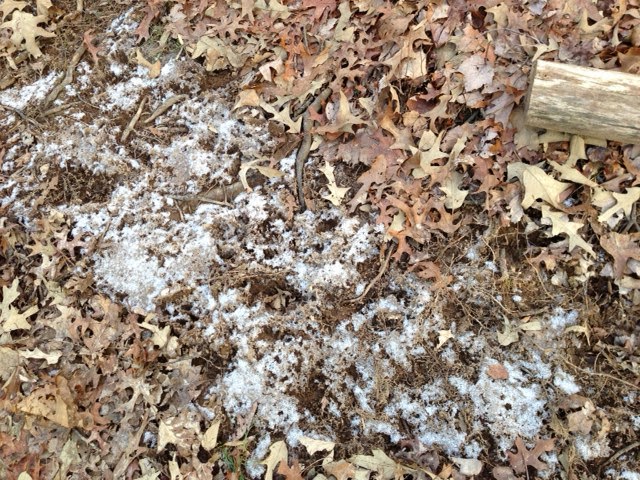
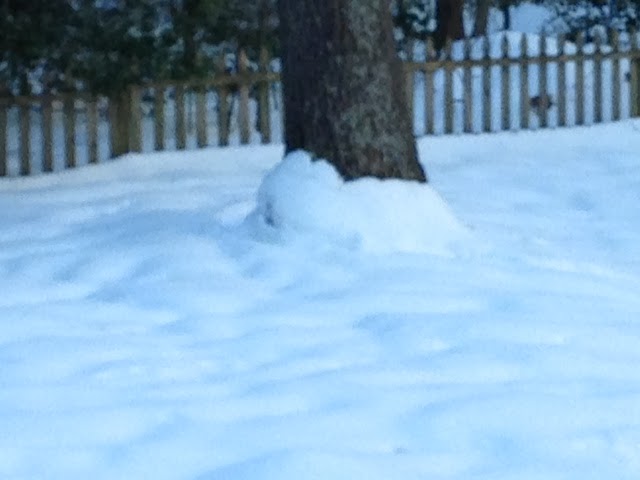
A dusting of snow. That’s something we’ve heard this winter — because along with the foot-plus of the white stuff “Snochi” brought us — and the two inches or six inches or (add your total here) we received in December, January and February, we’ve also had our fair share of dustings.

It’s hard not to think of confectioner’s sugar in these instances, sifting it onto a pound cake or sheet cake or, as I’ve done once or twice when ambitious, stenciling a design of powdered sugar.

The snow-dusted yard is still itself. The tufted grass, the untended garden, the fallen log, the bare patches — these are not obliterated as with heavier snow fall. They are highlighted, accentuated.

But they are also beautified. In all their imperfections.

Old Vine

Old Vine

Lexington is an insider’s town. The one-way streets, the unmarked country lanes, the walled gardens — they come from long knowledge.

I noticed this yesterday as I was driving a route I hadn’t driven in years and on a hunch found the way to Old Vine. Not new Vine, the yin to Main Street’s yang, but Old Vine, which veers off its namesake at an improbable angle.

Inner cheers when I found this shortcut. The raised fist of victory. But I knew it wasn’t my superb navigational powers that led the way. It wasn’t a hunch as much as it was a long-buried map of the city that I carry around inside me.

I found Old Vine because I grew up here.

Landscape of Childhood

Landscape of Childhood

In My Life in Middlemarch, Rebecca Mead writes:

“[George] Eliot found regenerative inspiration in the remembrance of the landscape of her childhood. Her love for the deep green England of Warwickshire was the foundation of her belief that the love we have for the landscape in which we have grown up has a quality that can never be matched by our admiration of any environment discovered later, no matter how beautiful.”

Mead quotes Eliot from The Mill on the Floss:

“These familiar flowers, these well-remembered bird notes, this sky with its fitful brightness, these furrowed and grassy fields, each with a sort of personality given to it by the capricious hedgerows — such things as these are the mother tongue of our imagination …”

And later, this line, which I quote in my own book: “We could never have loved the earth so well if we had had no childhood in it.” 

I read these passages on a bumpy flight to my hometown, sick at heart, sick in stomach, but imagining the balm that awaited me — my own “furrowed and grassy fields.” And knowing there would be some comfort there. And as always, there has been.

Wee Hours

Wee Hours

The wee hours have become my home away from home, when I wake, willingly or not, to start the day. I’ve come to like these times: a cup of tea, laptop, writing this post. Sometimes an early walk when the morning is still fresh beneath my feet.

But when the wee hours are spent at an airport or Metro, they are not as enjoyable.

It’s then (now!) that I imagine how I’d like to spend them — curled up in lamplight, journal at hand, a few ideas rumbling around the old noggin, a shaggy dog at my feet.

Armchair Travel

Armchair Travel

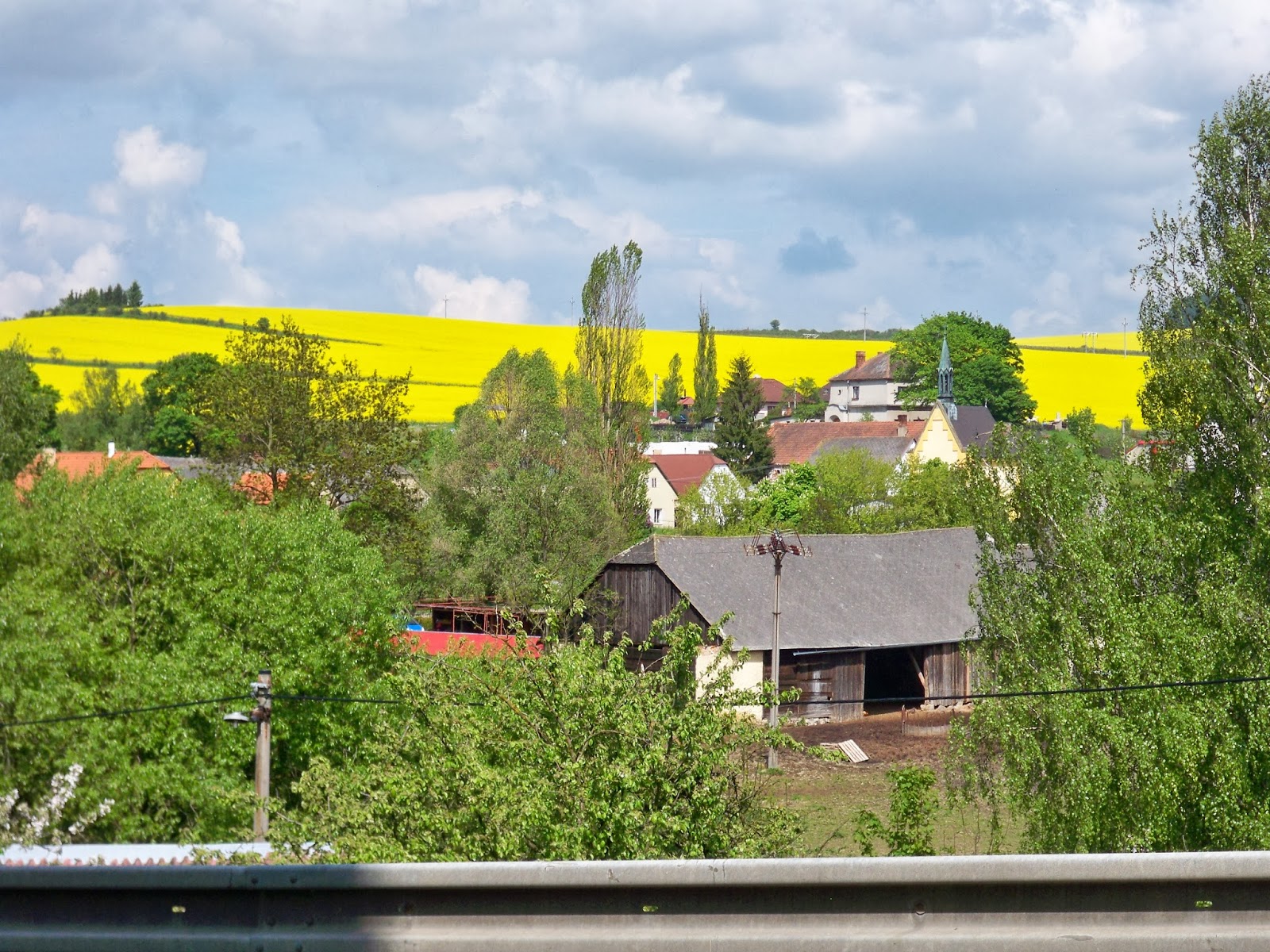
Time for a mental vacation, which for me means remembering a physical one. A drive through the European countryside. That’s canola, I think, a bit blurred on the bottom, shot from a moving vehicle.

A few miles down the road, the fields gave way to a village.

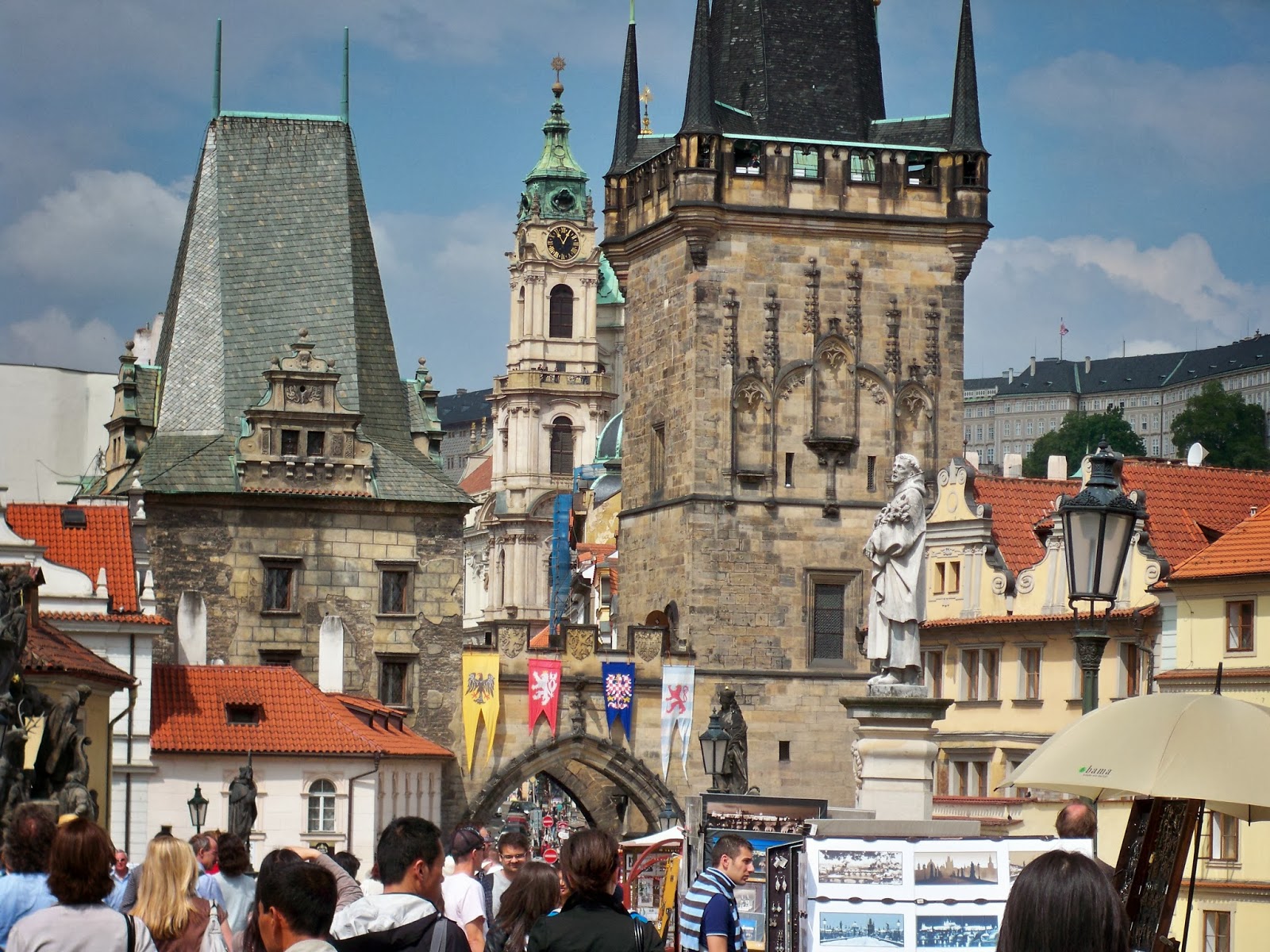
And then, a city.

Like any foreign travel, it was a revelation. I strolled on ancient streets, laid my eyes on sights I’d always longed to see. There was time to write and to blog and even to get lost.

When I came home I was not quite the same person I was when I left. Travel is like that. Even armchair travel. 

Backyard Moguls

Backyard Moguls

It has been noted elsewhere that throughout most of these Winter Games, the temperature in Sochi, Russia, has been higher than in many parts of the United States. And the major weather delay there so far has been due not to blizzard but to fog.

Still, to the viewer back home, the snow-peaked Causcasus, the high-tech ski suits and the sound of cowbells can only mean one thing: It’s cold!

So, I pretend.

Olympic viewing has also skewed my sense of place. When I look at the lumpy snow in my backyard I don’t see wind-blown drifts. Instead I see moguls.

This is a temporary phenomenon. I don’t expect it to last.

Sidelined

Sidelined

I know. I tend to rhapsodize about the snow. I like how it gilds the everyday, how it covers imperfections, changes patterns, shakes up routines.

But one thing I don’t like is what it does to walking trails and paths. Here in the suburbs, walkers are always at the mercy of the automobile, but never more than when snow and ice take our paths away. Suddenly, all walking is street walking, which is fine when there are shoulders and gravel berms, not so good when those are buried under mountains of plowed snow.

Thursday, after a foot fell, I stayed inside, but by Friday I was itching to be out again. Streets were full of slush; my shoes oozed.  On Saturday, more snow, but it wasn’t sticking, so I ran gingerly through flurries. Yesterday, finally, a still cold with dry pavement, a boon to the ice-phobic.

Our paths are still covered, but I’m not sidelined. At least until the next flakes fall. We’re expecting more snow tonight.

Still Life with Snow

Still Life with Snow

Out and about yesterday, noticing with each turn how snow transforms the landscape.

First, it softens. That which was sharp is rounded; that which is sparse is full. It is landscape’s pancake makeup, its concealer, hiding blemishes, wrinkles and lines.

Next, it obscures. Mounds of white stuff pad corners so I can’t see around them. Parking lot mountains loom where I least expect them. Shortcuts disappear; only the straightaways remain.

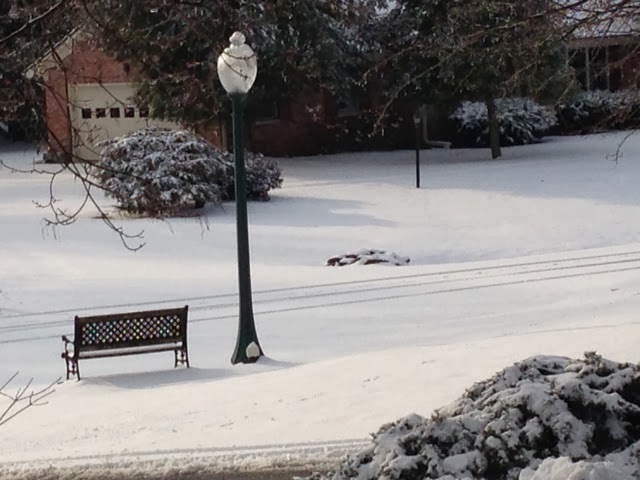
And of course, it beautifies. It does so with utmost nonchalance, but it does so just the same. The little triangle park in Lexington, a bench and a lamppost, of no particular note, becomes a still life. The snow drapes itself like an expensive fabric; it sees more in us than we see in ourselves.

After Love

After Love

In memory of the poet Maxine Kumin, who died eight days ago, and of St. Valentine’s Day:

After Love

Afterward, the compromise.
Bodies resume their boundaries.
 
These legs, for instance, mine.
Your arms take you back in.
 
Spoons of our fingers, lips
admit their ownership.
 
The bedding yawns, a door
blows aimlessly ajar
 
and overhead, a plane
singsongs coming down.
 
Nothing is changed, except
there was a moment when
 
the wolf, the mongering wolf
who stands outside the self
 
lay lightly down, and slept.

Maxine Kumin, “After Love” from Selected Poems, 1960-1990. Copyright © 1970 by Maxine Kumin.