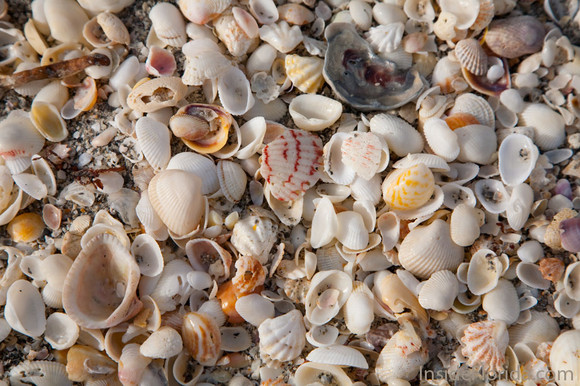
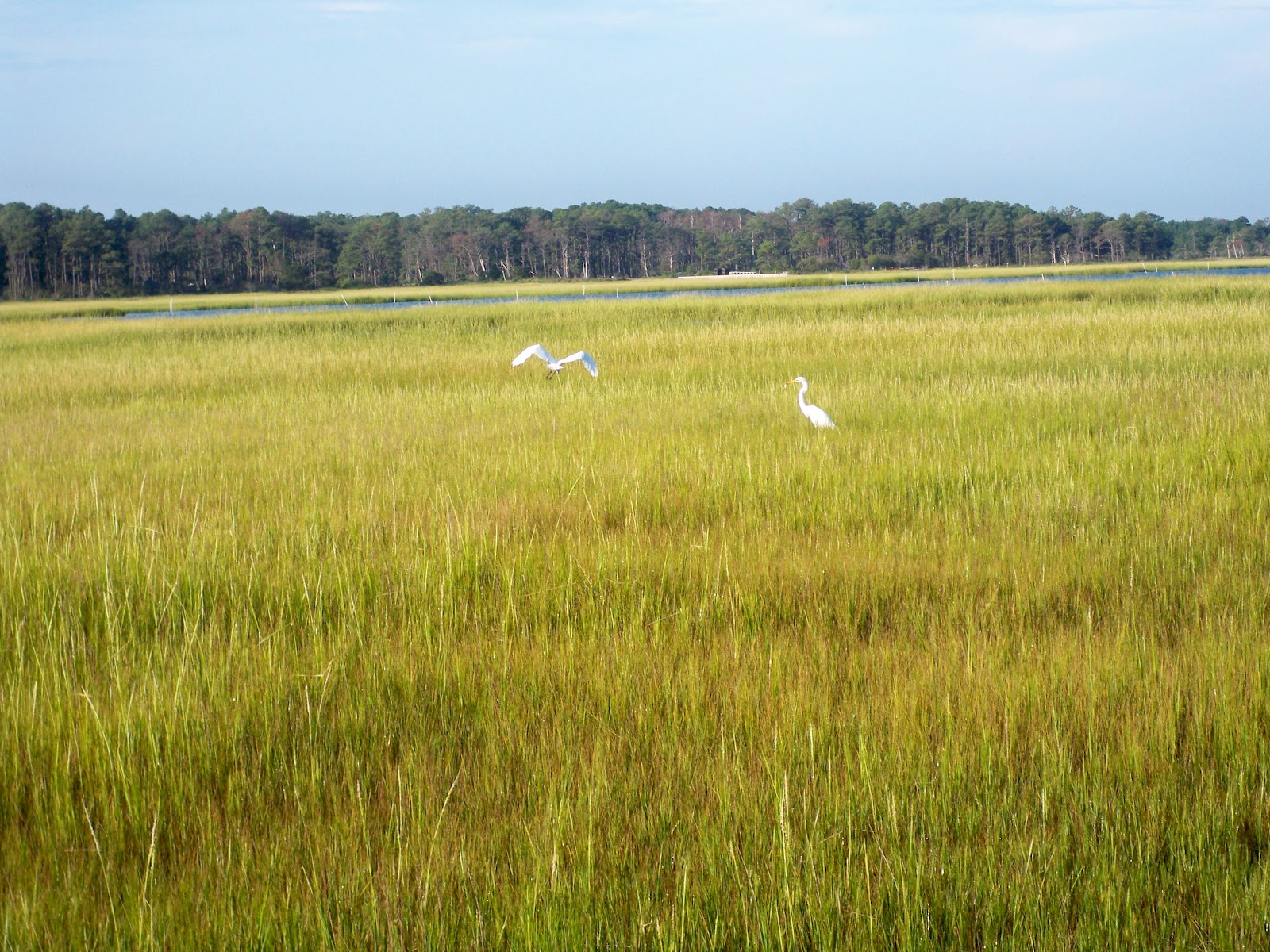
“Do we have a shell I could take to school for my photography class?” Celia asked this morning.
Shells? Do we have shells?
We have them from Topsail in 1996, Oregon in 1999, Clearwater in 2004, Chincoteague in 1997, 2003, 2008, 2011 and, from this year, shells still in the plastic bag I hurriedly stuffed them in two weeks ago. I stuck the bag in the garage and forgot about it until this morning.
I opened the bag, and there they were again: shark eyes, whelks, jingles, clams, cockles and half an angel shell.
I remember the long walk on the beach the afternoon I found most of them, the ridges and hills where the sand wasn’t graded, trudging and trudging until I couldn’t see another soul and finally, finally coming to the end.
The vacation has been over for two weeks. The shells — and the memory of that walk — remain.
Tomorrow, Suzanne will be sworn in as a Peace Corps volunteer. Her two-and-a-half-month training program is over. She has improved her French and begun Bariba. She’s taught students at a model school and learned that when Beninese children want to get their teacher’s attention, they snap their fingers and say, “Madame! Madame!” The day after tomorrow she begins the two-day trip to the village in the northern part of the country where she’ll spend much of the next two years.
As she leaves behind the seacoast, the airport and other easy forms of egress, I worry about her more. But I trust that her training has been true and useful — and that she will temper her kindness with common sense.
I think of these things even more after the killing of four Americans, including Ambassador Chris Stevens, at the U.S. Consulate in Benghazi. Although there have certainly been enough world events to convince me otherwise (especially the Iran hostage crisis), I persist in thinking of embassies and consulates as safe havens, as foreign soil, our soil, in the host countries.
Now that feeling of safety and ease has been violated. That doesn’t mean I’m going to let these feelings get the better of me. Ambassador Stevens was a former Peace Corps volunteer. He wasn’t afraid of “rough” travel, of arriving in Libya (then still in the throes of revolution) on a cargo ship. I still believe in the “peace” in Peace Corps.
Sunsets are earlier these days. What would have been a late-afternoon amble a few weeks ago is now an early-evening stroll.
Yesterday was like that. The air thinning and without the moisture that has become a second skin. The sun already down though still plenty of light for walking.
I found a beacon for my trek, a solitary pink cloud. I followed it from one end of the neighborhood to the other. It was a cheerful presence, a spot of color in a darkening world.
It’s not just the date that’s the same; it’s the weather. Just a bit cooler, but with all the promise of a warm, low-humidity day.
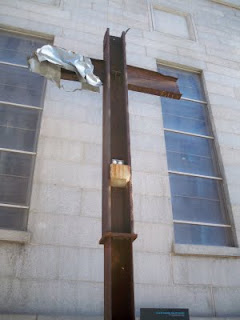
And it’s the day of the week, too. September 11, 2011, was also a Tuesday.
If each day of the week has a unique flavor, a character of its own, Tuesday is when the weekly routine has begun to buoy us up again. We’ve made it through Monday. We can do another day; yes, we can. And if so, then we can even make it through the week.
And so we plunge ahead with renewed dedication. (Or at least that’s the ideal.)
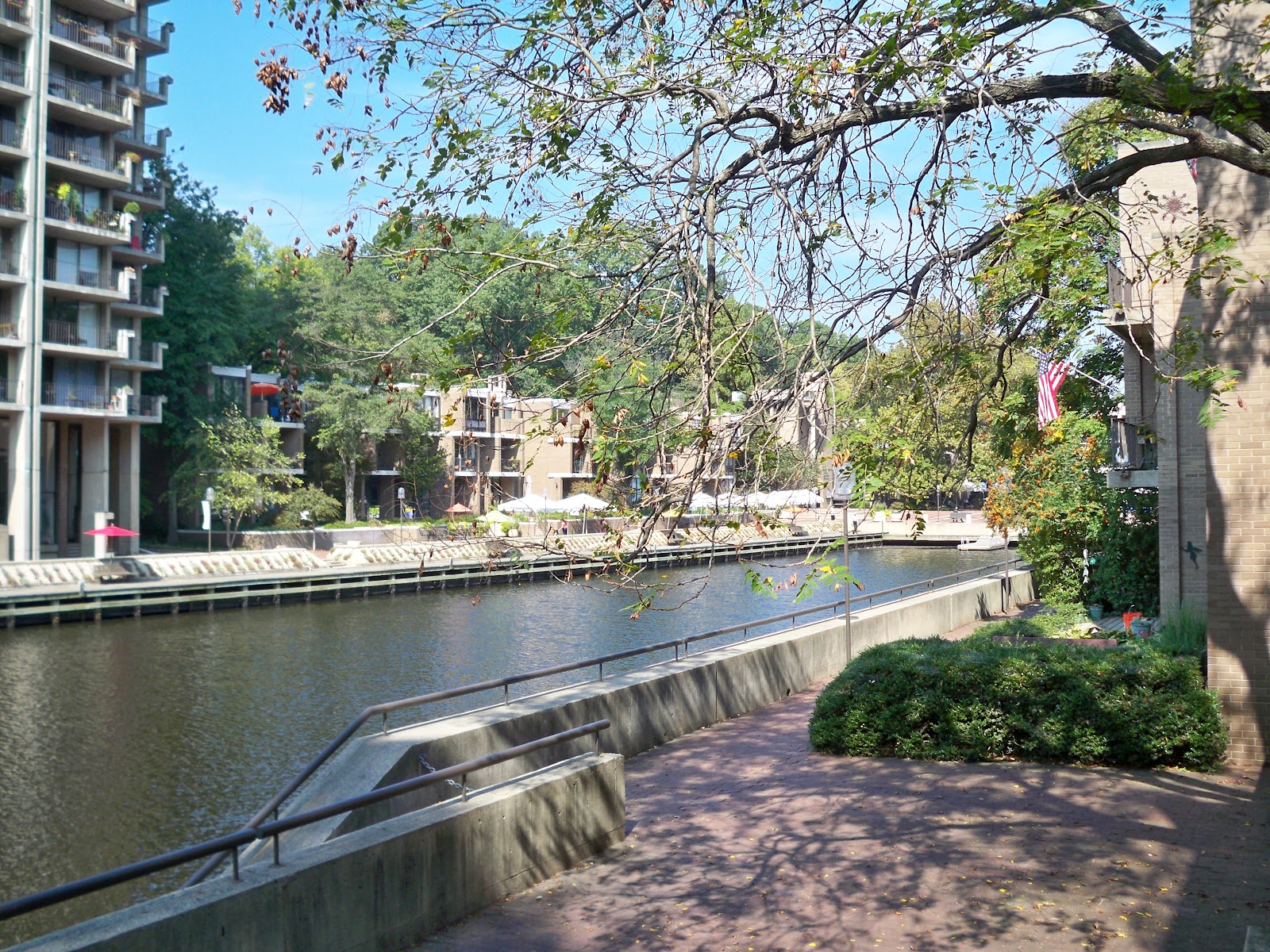
An article in yesterday’s Washington Post headlined “Is a city still a city if it’s in the suburbs?” discusses Reston Town Center, the Village at Leesburg and other “downtowns” that mimic the real thing.
The idea is to export urban density and excitement to the outlying ‘burbs. “[People] want to be in an environment, in a context, where they can experience life as fully as possible. They like to be around people, and they like to be around interesting things, and they like to be around energy. And that’s what the suburbs have historically lacked,” said Robert Kettler, who planned and developed the Village at Leesburg based on the model of Reston Town Center.
I have a complicated relationship with Reston Town Center, our closest “downtown.” When it was first built, I disparaged it for its fakery. It was a movie set of a city. Walk through the set doors and you would be in a mall. But as the years have passed; as restaurants, stores and plazas have been added; as festivals, concerts and wine tastings have lured me to its center, I have developed a reluctant fondness for the place.
As the article points out, many city neighborhoods now admired for their hip urbanity —think Capitol Hill and Georgetown — were once planned. And besides, how can I fault developers for paying attention to how people live, to adding town squares and storefront windows, to isolating and replicating the ingredients of urban charm?
Kettler has heard all the criticisms of these faux downtowns, the Post article says. “But he sees a naturally evolving plot: Driving through the Village at Leesburg, he is happy to see that the young trees he planted a few years ago are a little taller, that there are more people hitting treadmills at L.A. Fitness, that there are more people on the street. ‘When you put the camera on and you put the actors on the stage, it looks like a real place.'”
The article doesn’t answer the question, “Is a city still a city if it’s in the suburbs,” but it does plead for more time. Cities are a work in progress. It may just be that we’re pioneering something new here a few miles from my house. That what began as an experiment of urban density in the suburbs is giving us something we all want and need.
It may be. But when we decide whether and when to leave our suburban home, one thing is for sure: Reston Town Center will not make us stay.
My new assignment (which I gave myself): Walk the Cross-County Trail in earnest. Cover the sections I haven’t covered (which are most of them). Chart the great green heart of this populous county.
The timing of the assignment: regrettable. I left later than I’d intended and was little more than halfway on my route when the low clouds and heavy air gave way to the severe storms that had been predicted (and which I had ignored). Forced from the trail at a detour, I picked my way through the wind and rain to a nearby street. I huddled for a while under trees that were short enough not to kill me if they fell but full enough to shelter me from the brunt of the storm.
Ten minutes into the deluge the wind picked up, the rain fell slantwise and I decided to make a run for it, to find an intersection where I could call for help. It was then, as I tried to make a phone call, that there emerged from the storm a kind soul with a large umbrella.
He motioned me over, I ran toward him, and together we dashed to the shelter of his garage. He disappeared for a minute and returned with two towels. For the next 20 minutes we talked about the storm, the fearsome way it blew up and (typical suburbanites) the siding we had on our houses. I never learned his name. This morning I read in the paper that a tornado touched down less than two miles from where I hiked.
I went to the woods for wilderness and solitude; what I found instead was the kindness of strangers.
I was out earlier than usual this morning and stumbled upon some bustling pavement in the neighborhood next to ours. There were runners and bikers and dog-walkers. A couple of joggers looked familiar, like people I knew vaguely from church or the kids’ school. One man I recognized from the pool; he arrives after 8 p.m. and does an exquisitely slow breast stroke.
Seeing these walkers put some pep in my step. They reminded me that, while walking is for the most part an individual activity, it can also be a team sport. Not that we’re keeping score. But in some palpable way these fellow travelers cheered me on.
We’re all in this together, they seemed to say, as they looked up from the pavement with a wry grin or a raised hand or a good morning. Our strides may be slow, our breathing labored, but we know there’s something golden in these still mornings.
A short sleep, a long day — these are good reasons to take a weekend walk on a weekday afternoon.
Such a stroll takes me out of the neighborhood, for one thing. So it automatically gives perspective. It’s long enough to break through the torpor and tightness. And it reminds me of sunny mornings and long evenings.
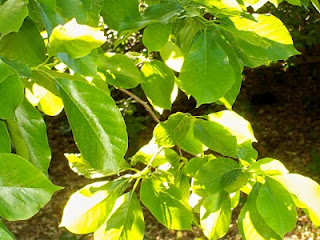
I walked through through a meadow and a woods, past a pond and a pool. I picked some miniature Queen Anne’s lace to press and send to Suzanne in Africa. I snipped some knockout roses from our bush out front, placed them in the tiny vase and set them on our kitchen table. They won’t last long, but that’s okay.
In the beginning of the walk, I was tense and tired. At the end, I was loose and awake.
By the time I took my after-dinner walk it was almost 9 p.m. The light had faded from the sky, and clouds obscured the moon and stars. A head lamp turned me into a roving Cyclops; I was alone in a bright, clammy tunnel. No music, no sunshine, the air heavy with the moisture of an impending shower.
Don’t look at the cars or you’ll blind the drivers, Tom said, instructing me on the headlamp as I walked out the garage door. So I turned my head demurely whenever a car passed. This had the additional benefit of obscuring my identity. I didn’t need my teenager to tell me how dorky I looked (though she was glad to point it out). I knew that a headlamp and a day-glow safety vest would not win me any beauty prizes.
But the outfit — and the effort — were worth it. They made it possible to walk in the dark, to prolong the day, to pretend, just for a moment, that it was a sultry June evening — instead of a stifling September one.
As I walked the strand last week I noticed how swiftly each wave receded to make way for the next, how quickly the foam blew away and the sand dried out in between breakers.
If you’re looking for a blank slate, there is no better place than the beach.
And today, the day after Labor Day, we also have a blank slate. A new year of school for Celia, a return to work for me.
Resolutions? I’m taking my long-distance beach vision to the office. It will help me see what’s important and what’s not. When a deadline looms or an email goes unanswered, I’ll remember the scene above. I’ll take a deep breath, lift my eyes up from the screen and stare out the window. This is what I’ll see.