Browsed by
Author: Anne Cassidy

Sweet Charity

Sweet Charity

Her name is Lois. She works at the McDonald’s where Dad’s coffee group convenes. Always cheerful and friendly, Lois didn’t like to smile. She would hold her hand in front of her mouth to cover up  her missing front teeth.

A few weeks ago, the guys (and the few gals) who meet to solve the world’s problems over a cup of senior coffee (the same as regular coffee but it costs only 59 cents) took up a collection to buy Lois a new set of teeth. Lois accepted the gift, got the teeth — and a new life to go with them.

I didn’t meet her, but I did read the thank-you note she wrote to her customers and friends. She said she can’t express the happiness she feels now, being able to smile without embarrassment, without wondering what everyone is thinking when they see her “ugly teeth.” “You gave me back my life, my joy, my confidence,” Lois wrote.

The note was photocopied so that everyone could read it. But they have already received all the thanks they need — it’s right there every time they buy their coffee. It’s right there in Lois’s smile.

The Brown Grass

The Brown Grass

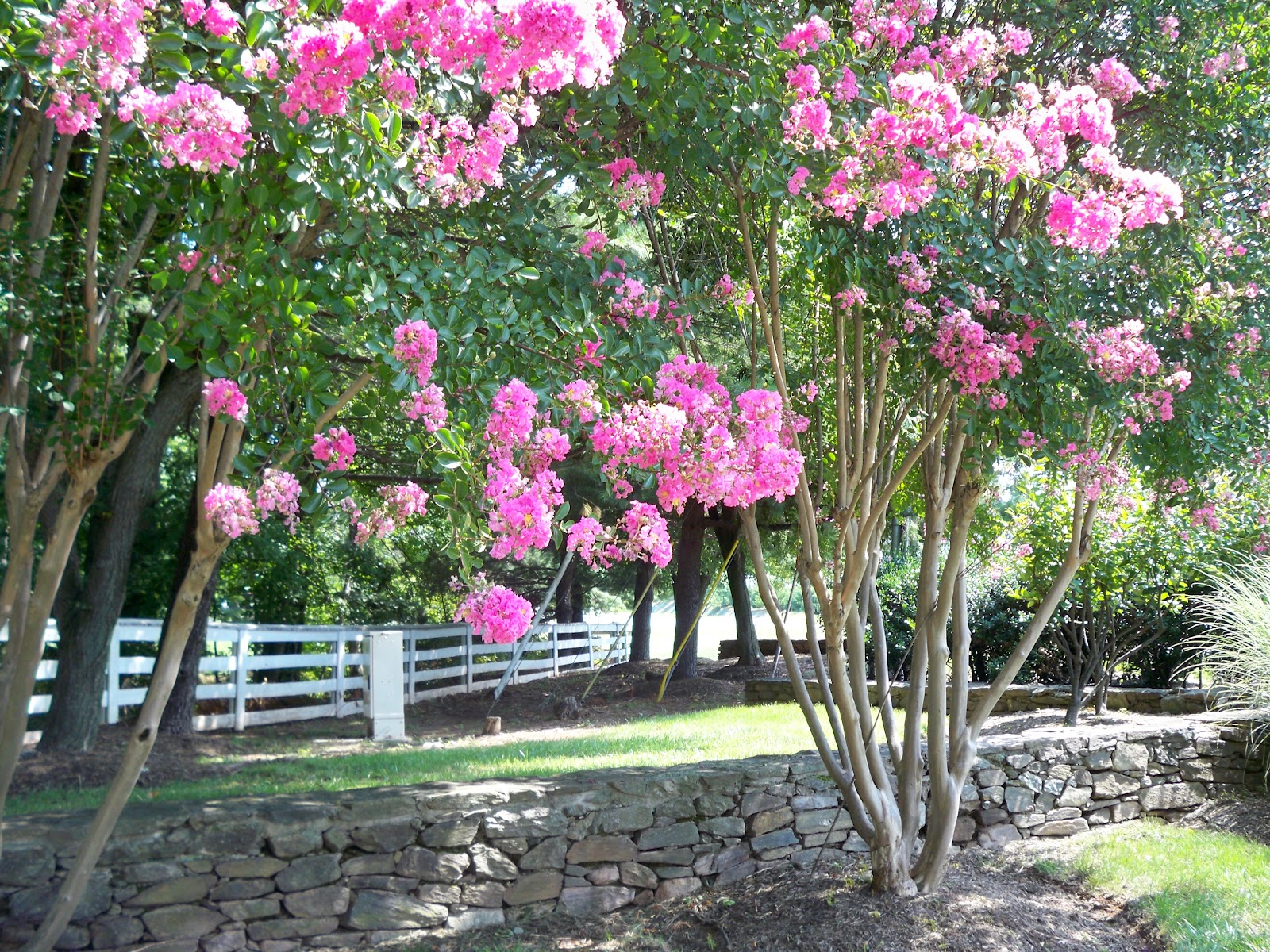
Lawns are parched here in Kentucky, the grass crunches underfoot. I get thirsty just looking at the scorched fields, as if in hydrating myself I can somehow freshen the air. “We’re not the Bluegrass anymore,” Dad jokes. “We’re the Brown Grass.”

While the Independence Day fireworks display wasn’t canceled, the Lexington mayor banned everything else.  No firecrackers, sparklers or Roman candles. It’s a hot, mean summer here, 99 degrees in the shade.

Maybe it’s just wishful thinking, but the storm that’s been teasing us for hours seems more likely now.  The sky has darkened, and, at their higher elevations, the oaks and maples bend with the wind. Will we soon be drenched in sheets of rain, will rivulets run down the driveway and into the streets?

Or is it like those tarmac puddles that shimmer on the summer highway and disappear as soon as you draw close to them?

First Race

First Race

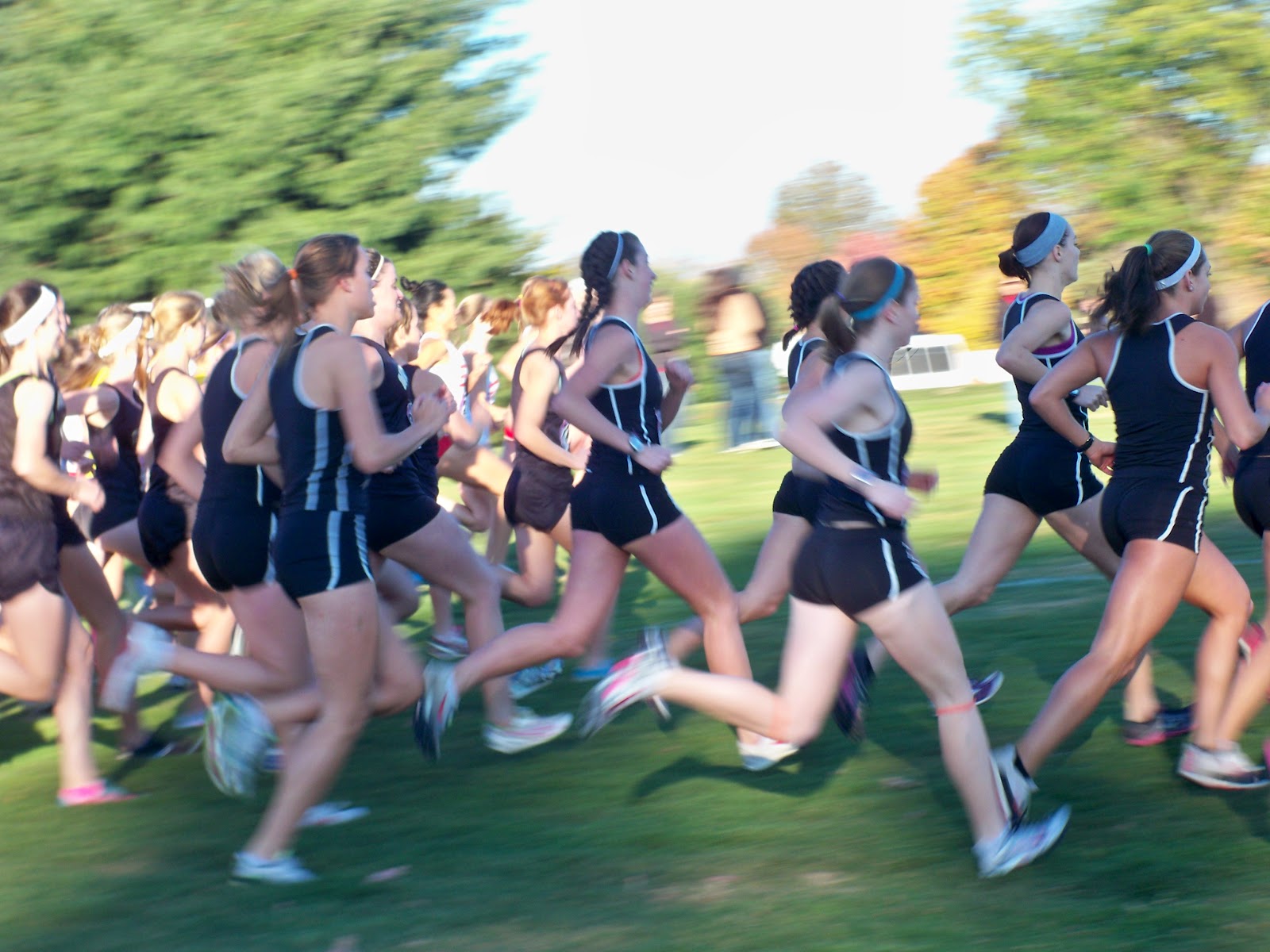
This morning, Claire competes in her first road race. She’s been running for a couple of months now, and she’s ready to compete. And I’m excited she’s doing it. Running meant a lot to me when I was her age; it gave me confidence that I, a klutz, could actually do something athletic.

Claire has never had that problem. She is naturally coordinated; she makes ice skating and rollerblading look easy. But this is still a big deal because it is such a disciplined and regulated activity. It is the sort of thing one does to push one’s self. And as such, is a good illustration of the kind of person Claire is becoming.

So this morning when the race begins, and Claire feels that little flutter in her stomach that’s reserved for the new things we do in life, I’ll be feeling it with her.

Long Afternoon

Long Afternoon

Midday walk, less hot than the day before.  White clouds emerge in the sky, meaning there is less haze. I take a familiar route in the opposite direction, which is strangely disorienting. The pond is on my left, the woods on my right. I have to remind myself where I am.

I have to remind myself, also, who I am. I pass kids on their way to the pool. A pair of boys, eleven or twelve, pad by in flip flops with towels around their necks. All I hear of their conversation are the words “post traumatic stress.” A strange utterance; they look like they should be talking about the cannonballs they’ll do at the pool.

Still, they remind me of the great long afternoons of childhood,  the slow-moving stillness of the hour after lunch. I remember the smell of that hour, the hot sun on the swing, the grape candy stick, plans for later in the day, a trip to the park, wading in its cool creek.

I feel like a kid again for a few minutes, though it’s only because I was walking on my lunch hour, pretending for a few minutes that I have no responsibilities, only miles to walk and books to read.

PIcking Up Sticks

PIcking Up Sticks

Here in the leafy suburbs, when a storm whips through it leaves a trail of sticks behind. This is in addition to crushed roofs, smashed cars and downed trees. Compared with these, of course, twigs and leaf clumps mean little to nothing. Think of them as the comic relief of cleanup. What you do after you’ve drug the large limbs out of the garden.

And yet, once I started picking up sticks, I found I could do little else. There is the Zen-like rhythm of bending and grabbing and stuffing them in a bag. There is the way that spotting them trains one’s eye on what’s just ahead, nothing more, nothing less.

But there is also, yes, the obsessiveness of the hunt. I no sooner rid the yard of sticks of one diameter than I notice the next largest sort. Before long I realize that I’m grabbing what usually lies undisturbed in our yard, that I have long since rid our lawn of anything that could clog a mower. That I have, in short, become a bit compulsive about the task.

That’s when I stop dutifully bundling and tying the sticks with twine, or stashing them in recycling bags — and instead dump them in the trash with the rest of the garbage. It’s my own little clean-up rebellion.

It’s Called a Derecho…

It’s Called a Derecho…

But I didn’t know that late last night when I heard the wind roar and the boughs and acorns clatter against the side of our (newly resided) house and one very large thud which I realize now was a tree hitting our neighbor’s roof. It didn’t take long for the lights to flicker and go off, and it also didn’t take long to realize that this was no ordinary storm.

It wasn’t until recently, after 16 hours without power, that I was able to fire up the computer, check the Washington Post website and learn what hit us. A derecho (de REY cho) is a long-lived, widespread wind storm that rides along a line of thunderstorms. It’s capable of tornado-like destruction, and one of its claims to fame is that it can hold itself together over hundreds of miles.

The derecho that hit us last night formed in Chicago and raced eastward, fed on the record-breaking heat (it was 104 on Friday). The wind was clocked at 80 miles an hour here last night, and the storm left three million people without power.

Like any blizzard, tornado or major weather event,  this one made me  realize how slender are the threads that connect us to the routine, modern life we live. We were lucky. We lost one tree and a large hunk of another, but neither hit our house or cars. Our gas stove meant I could make a cup of tea this morning, too. But with no power, little communication (phone service was disrupted),  downed power lines making driving difficult, and 100 degree heat barreling down on us once again, the day took on a survivalist tone.

I sit now in the stillness after the derecho, thrilling to the sound of the refrigerator’s hum.

Home Alone

Home Alone

The house at rest. Counter tops are clear; cups, plates, books, important envelopes that need to be mailed — they all remain where I put them.

I fall into the quiet slowly. Silence becomes a place I long for. Because it’s not really silence. Like the color black that is all colors, it is the presence of all sounds.

Our raucous family dinners on the deck; they are there. And so is last Thursday evening, when Suzanne and I  talked at the kitchen table as the room darkened around us. The girls’ younger selves are there, too, flitting around like house sprites, keeping me company.

I’m home alone.

Or am I?

Meanwhile, in My Other Life

Meanwhile, in My Other Life

Today is the day. At 10 a.m., the Supreme Court justices will file into the Court and hand down their decision on the Affordable Care Act. For the last few weeks many of us here in our nation’s capital, especially those of us who work in a law school whose professors have been  involved in analyzing the legislation, have been waiting impatiently for this moment.

Will the justices uphold the act or strike it down? Will they banish only the individual mandate, the part that tells us we must buy health insurance or pay a fine? And if they do that, how will the rest of the act stand (the so called “severability question”)?  And what of the Medicaid part of the ruling? How will that play out?

This time last summer I was reporting and writing an article on this topic.  So I’ve followed the challenge through the lower courts and now to this ultimate one. Like much of official Washington, I was riveted by the oral arguments in March. The constitutionalism of health care legislation is not a specialty of
mine, but after spending a month interviewing experts and writing about it, I learned  enough to understand and appreciate the issues.

Which makes me wish I had time to write about every major issue facing this nation. The more you learn, I think, the more you care.

Outdoor Performance

Outdoor Performance

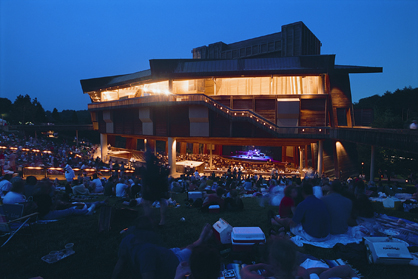
A summer evening at Wolf Trap National Park for the Performing Arts. Spreading a blanket on the lawn, sharing wine and conversation as the sun slants through the trees. Birds in the rafters, fireflies  in the air.

For all good suburbanites the experience begins with the drive there, and this one was better than average. Crowell, Brown’s Mill, Beulah — back roads that made me feel like I was out in the country, which Wolf Trap once was.

Outdoor performance has a character of its own, the crowds diffused by the presence of grass and trees and the high steady murmur of the wind. At a certain point in the experience you almost forget what you’re there for. But then the curtain rises, the lights come up, and the performance begins. It’s then that you remember you’re there for the dance, the music, the play. (Last night it was Ballet Hispanico, a beautiful and improbable blend of ballet, modern and Latin dance.)  It’s then that the illusion and the reality merge.

Photo: Wolf Trap

Channeling Mr. McGregor

Channeling Mr. McGregor

One sign that you have grown up: When you start identifying not with Peter Rabbit, but with Mr. McGregor. If it’s been a while since you read  Beatrix Potter, this is the man whose garden Peter plunders, who chases Peter with a hoe after the errant rabbit sneaks under the fence and snarfs down lettuce, radishes and French beans.

When I read this book to the children, we identified with Peter, of course. Mr. McGregor was the villain, even though it was his garden that Peter ransacked. Peter, on the other hand, was devilish but brave. Willing to take on the world. And definitely a locavore.

It’s not a rabbit but deer that have turned me into Mr. McGregor. The herd of deer who have watched and waited until our day lily buds are full to bursting and then moved in for the kill. The deer who have eluded the stinky Invisible Fence that we’ve doused our flowers with.

Now I know how Mr. McGregor feels. We looked forward to the day lilies all spring long.  We transplanted, fertilized and nurtured them. And then, just when we were preparing to enjoy them, the deer snapped them up.

It’s not just disappointment I feel. It’s humiliation: Deer 1, Anne 0.

Photo: Project Gutenberg