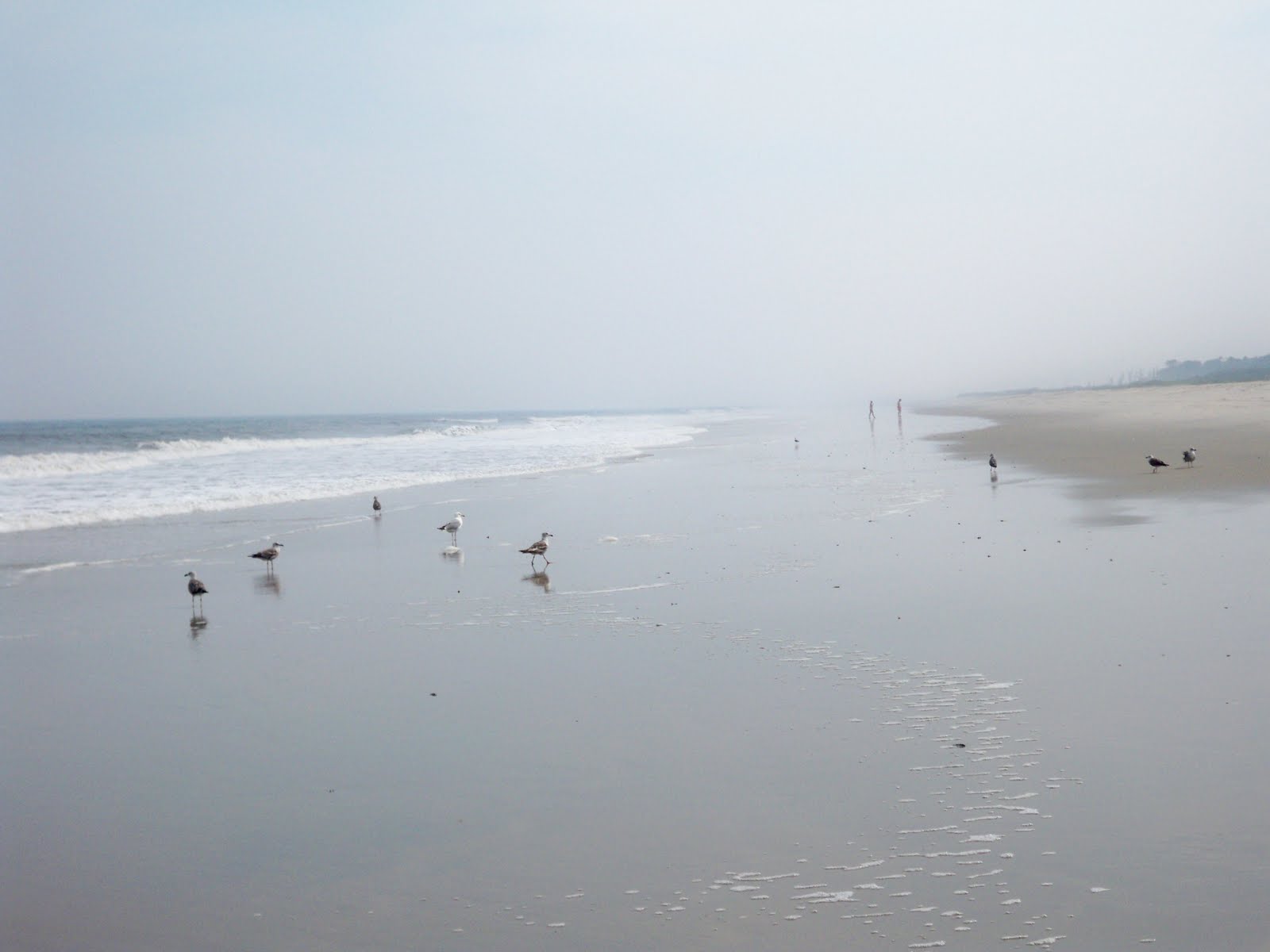
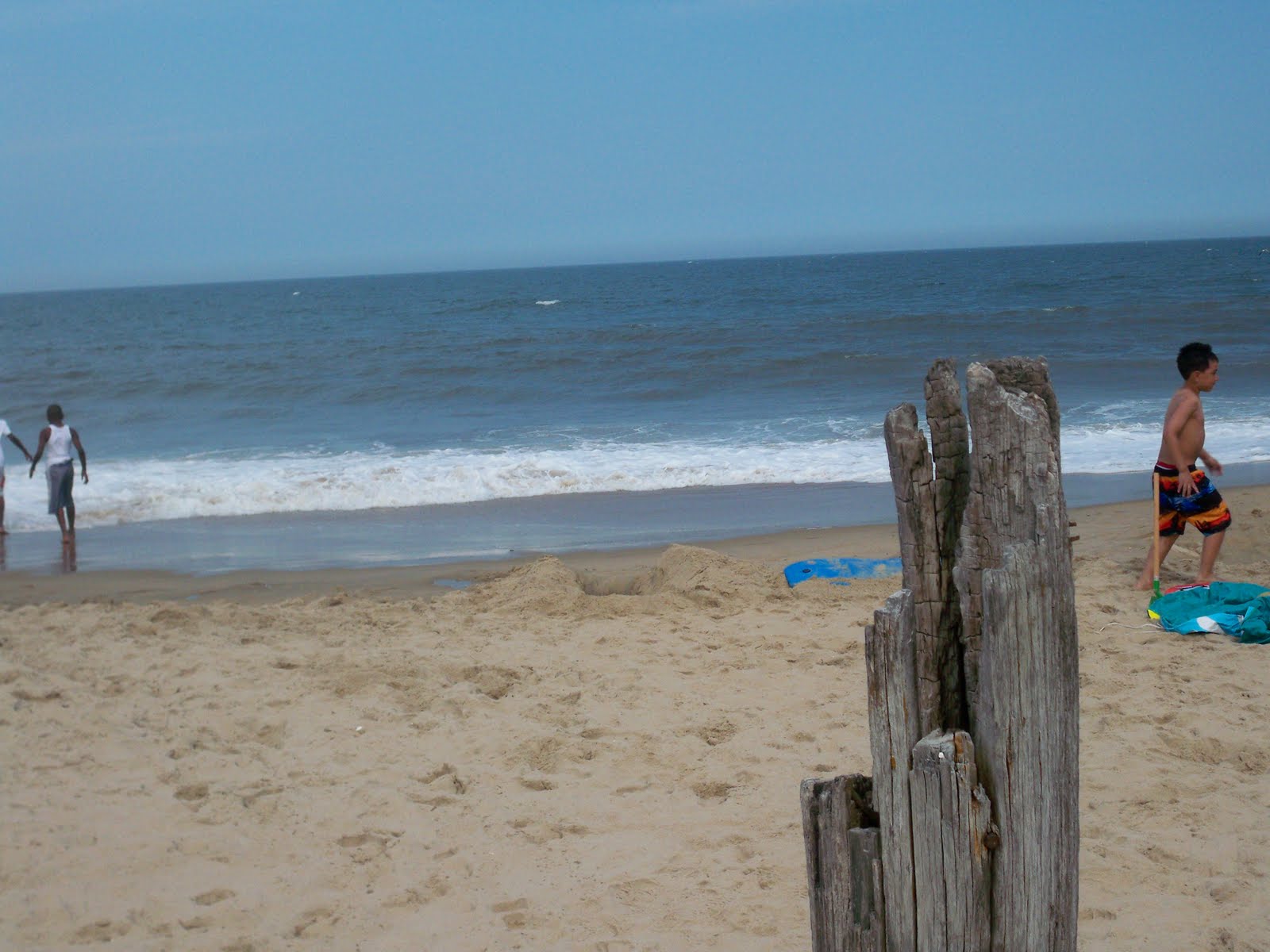
Yesterday I did whatever I felt like, went wherever my whims took me. I rode hours on my bike, bounced along gravel roads past midday-still inlets, walked to the other end of the beach and back. I watched the waves, splashed through sea foam and breathed the salt air.
At the end of the day yesterday I rode the woodland trail home. Late-day sun slanted through the trees. I spotted cottontail bunnies and a bird bluer even than our sweet Hermes. A flash of color in a green world. I breathed a long exhale and pedaled home.
Here on Chincoteague, the Firemen’s Carnival ushers in a month of activity leading up to the annual wild pony swim and auction at the end of the month. We went last night to see the fireworks, a brief but brilliant display that seemed to have ended but then — when everyone had their heads down walking away — surprised us with another burst of color and light.
As I sit on the motel balcony this morning, the parking lot is a scene of mass exodus. Beach chairs and umbrellas go into the trunks of cars, bicycles are lashed to the backs. I’m packed and ready to leave for my new place, one that’s closer to the beach. The rest of the family just left for home; I’ll stay for a few days on my own.
I check the girls’ room to be sure they haven’t left anything. All I see is a cicada exoskeleton they found and set on top of the TV. I brought it outside with me. It’s cute, in a fierce little way. I’m staring at it now, willing myself not to be sad. It’s strange to be staying behind. Strange but good. It may be July 5, but today is my Independence Day.
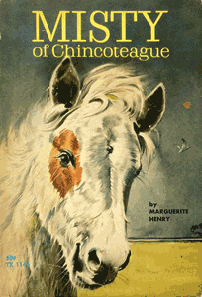
Chincoteague is what you call a one-horse town. The one horse is Misty, from the book Misty of Chincoteague by Marguerite Henry. The story of a family determined to raise a filly born to a wild horse, the book won the Newbery prize and was made into a movie. I remember seeing the movie as a child, and I read the book to our girls when they were young.
The book put Chincoteague on the map. It popularized the herds of wild ponies that roam the island. It lent its name to dozens of shops, restaurants and tours. The Chincoteague High School team is — you guessed it — the Ponies. Hardly a fearsome name but, as Claire pointed out when we passed the high school yesterday, an artist has tried to make the ponies look fearsome. There is steam coming from their nostrils and they have a tough, no-nonsense gaze.
Tom and Celia chanced upon Misty herself the other day; she is stuffed and on display at a local museum. Ghoulish and over the top, to be sure. (Even in Kentucky, where horses are king, we bury our famous ones.)
But the hype is gentle as hype goes. It makes me feel tender about this place and, above all, glad to know that a book still has the power to change a place.
It is the elemental other, where land and ocean meet, and since arriving here yesterday I have pondered the wonder of it all. When you have been often to the shore and you arrive again, you think, ah, here it is, the smell of the sea and the roar of the surf and you forget about the fundamental difference of this landscape, its churning activity, the drama of two worlds coming together. It takes a long walk to absorb it all. I’ve had two of those now. Let the absorption begin.
This year our garden is more colorful than it’s been in years. (See deer repellent, mentioned earlier this week.) And for that reason it is bliss now to step out on our deck, to hear the first birds of morning and to witness the dusky dark give way to light.
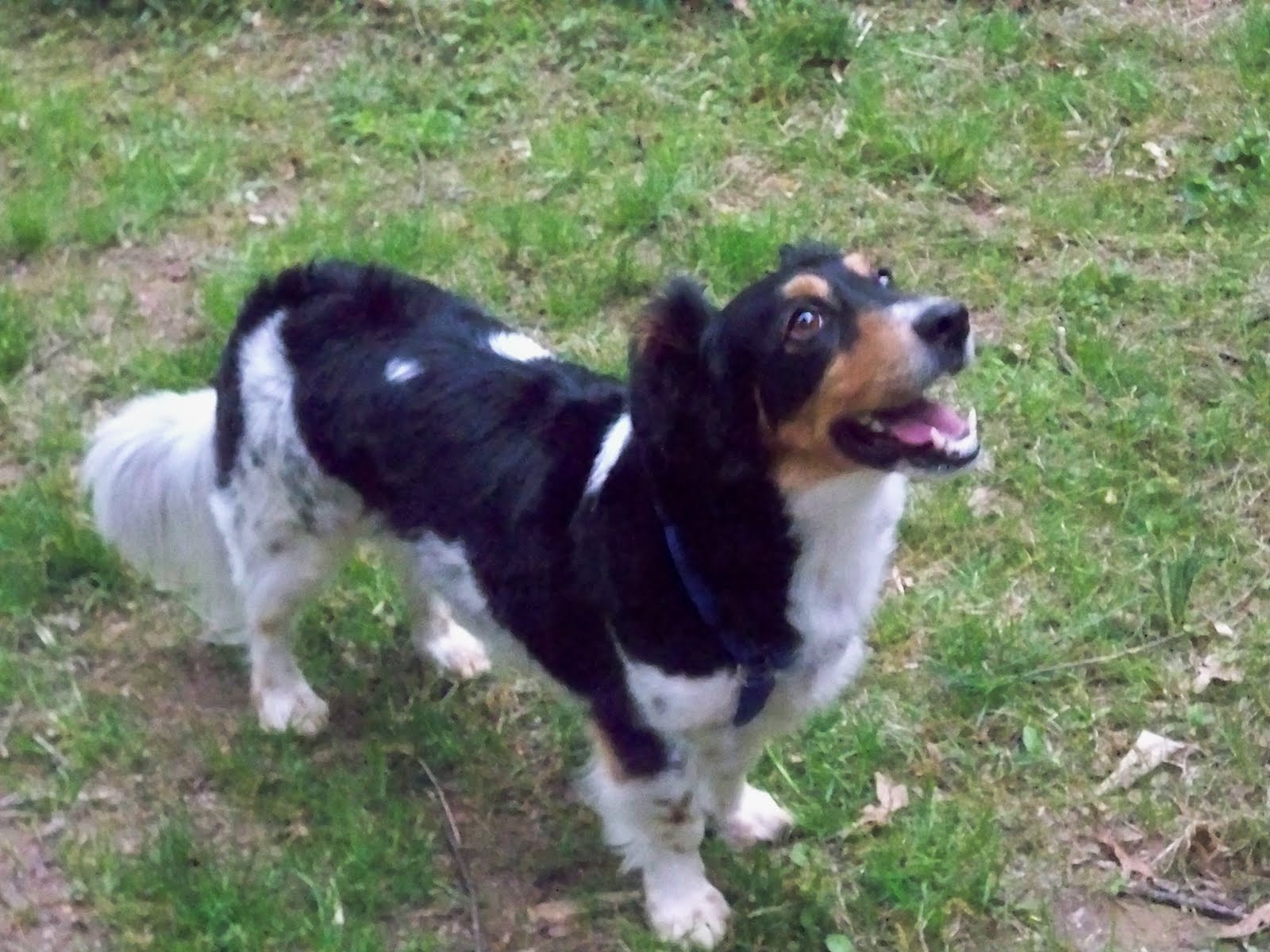
Listen hard enough, I tell myself, and you will hear the great engine that is day whir into business again. It will be sleep deprived, of course, because it was up last night until after nine. But it will happen, is happening even now as I write. Our little dog stands sentinel; even he, I think, is sometimes transfixed by beauty, or maybe it is pure animal peace that makes him pause and lift his head. A sense that all is right with the world.
The beach reading begins before the beach. Riding to the office on Metro, I whip out Frances Mayes’ Under the Tuscan Sun and imagine I am in Cortona, Italy. I am buying old linens from a market vendor, haggling with questionable Mussolini-lookalike contractors and whisking up some cold fennel soup.
I laugh to myself as I imagine the title: Under the Suburban Sun. I think about my day, the rush to board the Orange Line, the crammed commute, a quick run through the supermarket on the way home, maneuvering the northern Virginia traffic.
In her book Mayes includes recipes for polenta with sausage and fennel or rabbit with tomatoes and balsamic vinegar. My recipes would include BLTs and fruit. Microwave the bacon. Toast the bread. Slice the tomatoes and cantaloupe. Grab a plate and stroll to the deck.
There is no Lombardy poplar on a Tuscan hillside, no golden shimmer in the air. But the evening sun throws squares of light on the trees, and the begonias and coleus are at their most beguiling. It’s another day in paradise.
Though we reside in the suburbs, it sometimes seems as if we’re forging a future on the frontier, at least when it comes to outsmarting the critters that live here with us. Owls shriek in the woods, fox wake us with their eerie cries and — most important this time of year — deer forage in our suburban gardens. If they were just snacking on a few oak leaves we wouldn’t mind, but they go for the tenderest and most long-awaited plants. The hostas with their tall lavender shoots, the impatiens, the day lilies.
Last year they ate the buds off the lilies before they could bloom. This year we’ve had a secret, smelly weapon — a deer repellent spray, a “liquid fence” that keeps them away — and a few victories — a riotous crop of tiger lilies in the backyard and winsome clusters of impatiens by the front door.
But we’re not resting on our, er, laurels. We’ve spotted the herds of deer moving through the woods, nibbling everything they can find. We know it’s only a matter of time before they grow hungry enough and bold enough to strike again.
More than a week later, I’m still pondering my high school reunion. I replay conversations, especially ones that pierced the shell of convention (occupation, children or — gulp — grandchildren) and ventured into some place deep and true.
What I realized (and I knew this all the time, I suspect) is that having gone through high school (and in the case of some folks, grammar school) together automatically took us to a place deep and true. One woman and I reminisced about the beanies we wore in eighth grade. I reminded another about how her mother would always honk the car horn every time we rounded a curve or crested a hill when she was driving us to horseback riding lessons in seventh grade. The hostess of our Friday night picnic surprised me with a photo of us and other neighborhood kids taken one Easter when we were about six years old. We lived on the same street then.
In my hometown, I am not just a mother or an employee or a neighbor. I am the person I was before the roles began.
It stands for Ride Around the Pioneers in One Day, and it’s happening right now in northwest Montana. Tom and his brothers and hundreds of other riders are riding 130 miles through the Pioneer Mountains to raise money for Camp Mak-a-Dream, a camp for children and families affected by cancer. This is the 10th anniversary of RATPOD. Last year it grossed $1.7 million for the camp and has become such a hot event that registration fills up in 20 minutes.
By our reckoning the riders have passed the scenic byway turn-off at Mile 14, they’ve moved beyond the breakfast stop at Mile 30 and pushed up the 6- to 8-percent grade to the Crystal Park turnout at 8,000 feet. Soon, if not already, they will be flying downhill for a full 20 minutes, past the town of Divide and along the Big Hole River. They will cruise to Wise River Mercantile, where they’ll have lunch. After that comes a watermelon break at Mile 85 and an ice cream and pie stop at Mile 107. Twenty-three miles later, they’ll end up where they started, in Dillon, Montana.
I’m not there, of course, but I know enough of the landscape to breathe the tang in the air, to see in my mind’s eye the lodgepole pine, the alpine meadows and the big, big sky. We here at sea level, we ride with them in spirit.