Browsed by
Author: Anne Cassidy

Cleaning Time

Cleaning Time


The signs all point to a day cleaning out the basement or closet or garage. It’s raining. It’s Saturday. I sat down to write in my journal this morning and was distracted by the cover of “Oprah” magazine — “De-Clutter Your Life.” There is nothing left for me to do but grab the trash bag and have at it. But wait a minute. I can write a post about de-cluttering, about how hard it is for me to do, about how many things I keep because I love the person who gave them to me. But how, when I finally make myself throw away what’s irrelevant and unused, I feel light and energetic and newly born.

Reflections in the Rain

Reflections in the Rain


I woke up this morning to the sound of an old friend. It was rain, liquid precipitation, that which does not need to be shoveled. It runs off in rivulets; it takes care of itself. It is also taking care of the snow, what’s left of it. Only the parking lot mountains remain.
I walked out on the deck and tiptoed through the puddles. Cold and clammy, they shiver in the breeze. If snow is a pillow, rain is a mirror. It glistens in the dull light; it has a life of its own. Unlike the snow, it reflects the world back to us.

The Elemental Tree

The Elemental Tree


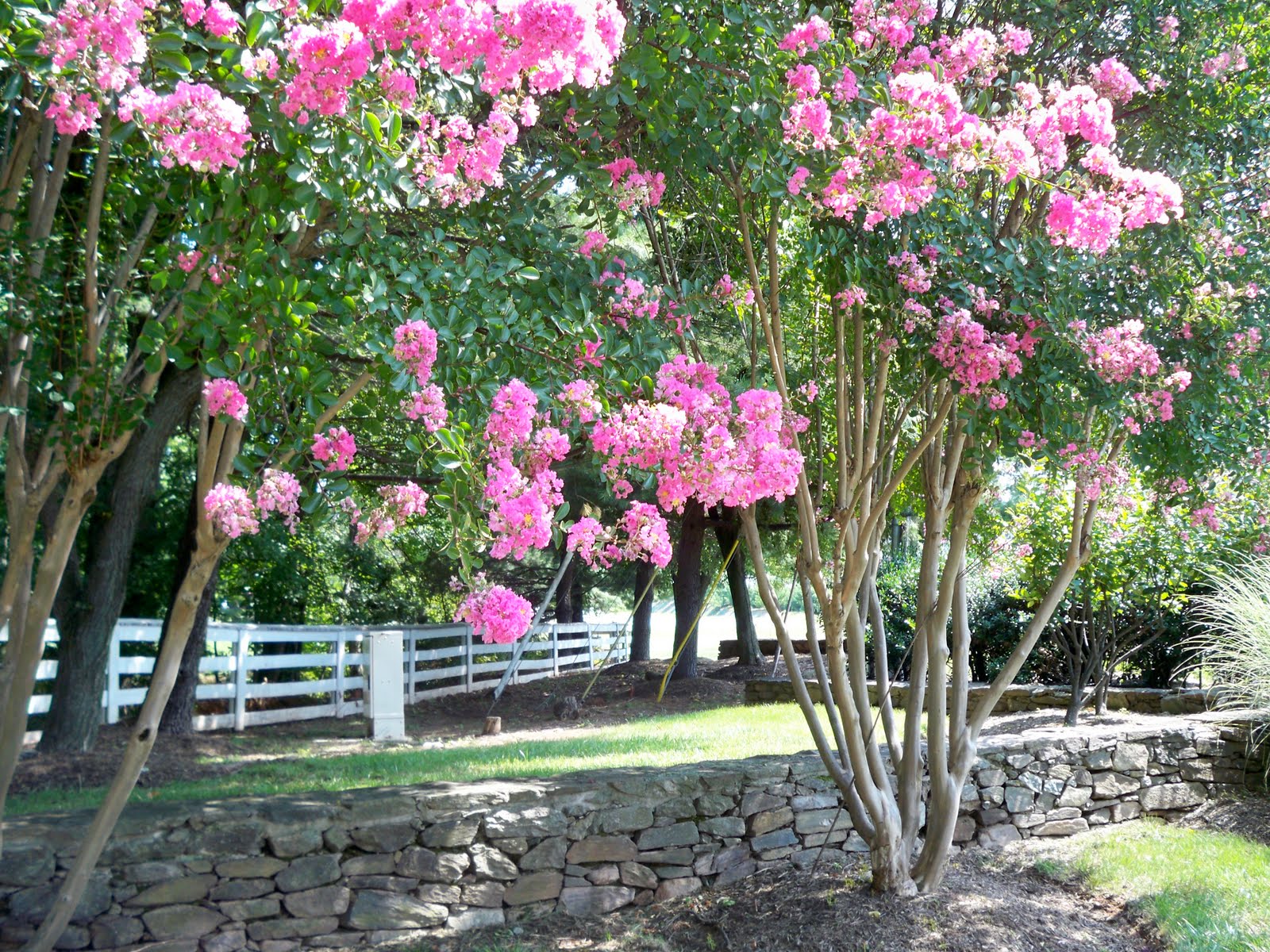
Yesterday on a walk I spotted the tentative pink blossoms of a cherry tree. Only part of it was budding, as if it were dipping its toe in the water of spring, testing to be sure that the warm air and bright sun are not illusions. I’ve noticed other trees with a pinkish haze about them, an aura of what is to come. And although our forsythia isn’t yellow, it has a fullness that comes before the bud.

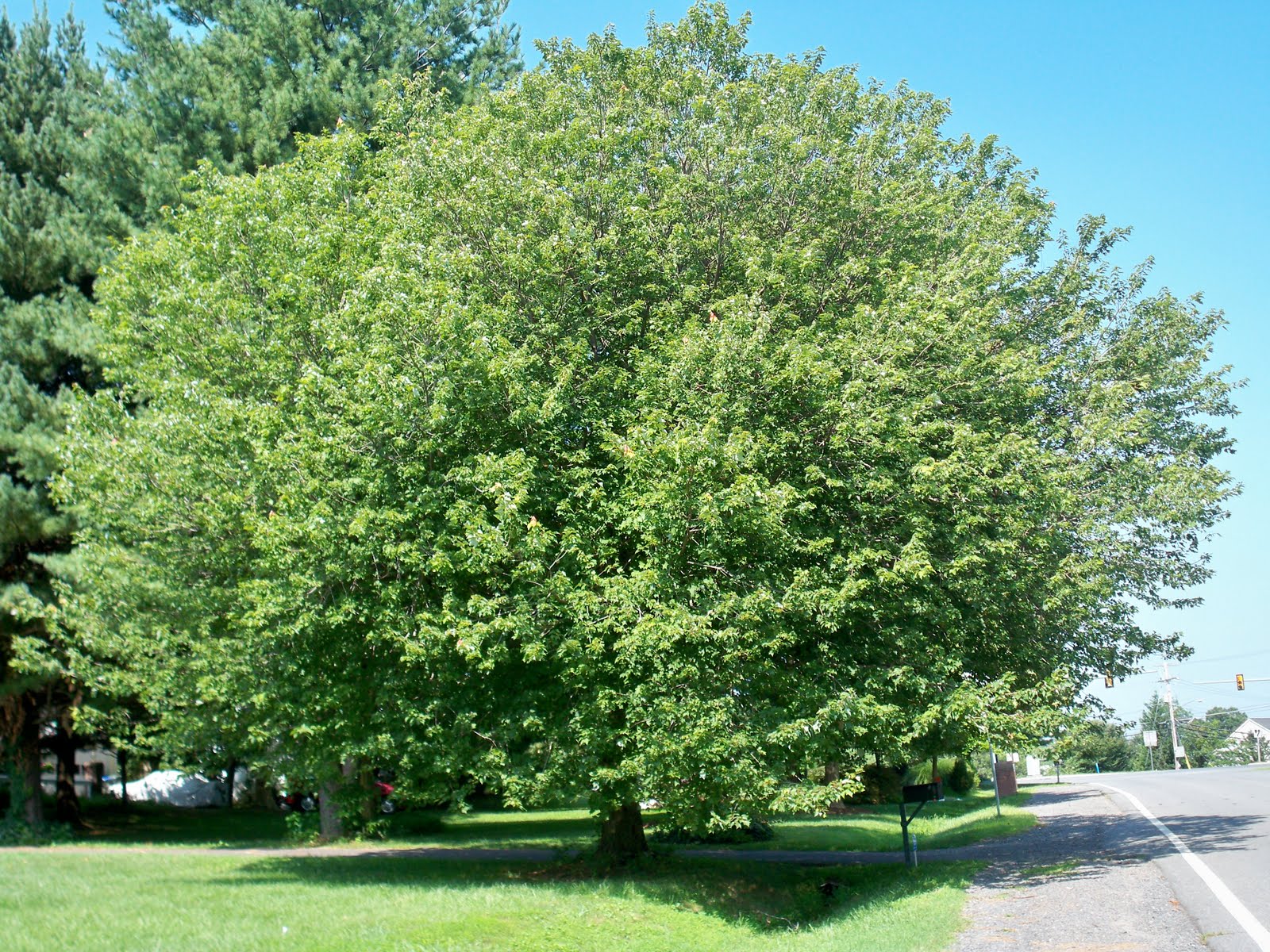
Before it’s too late, then, let us celebrate the elemental tree, the tree unadorned with leaf or flower. The heft of a trunk, the way branches frame the sky. This winter has been hard on trees; many were so weighted with snow that they will never rise again. But others have, inexplicably, survived.

Willa Cather wrote, “I like trees because they seem more resigned to the way they have to live than other things do.” I agree.

Swans and Gulls

Swans and Gulls

On Metro this morning I read from “The Outermost House” by Henry Beston. Beston was a naturalist and this book is a classic. The section I read today cataloged the flocks of birds he studied during the year he lived alone in a small house on a Cape Cod dune. Here he describes a flight of swans: “Glorious white birds in the blue October heights over the solemn unrest of ocean — their passing was more than music, and from their wings descended the old loveliness of earth which both affirms and heals.”

I rode the Metro escalator up into the cold gray dawn of Judiciary Square and walked east toward my office with those words echoing in my head. And suddenly there in front of me were scores of gulls, careening and crying as they wheeled in the urban sky. It was probably garbage that brought them here, but I’d rather imagine their flight as evidence of that “old loveliness.” They’re here to remind us that we share the earth, that, as Beston says of animals, “They are not brethren, they are not underlings; they are other nations, caught with ourselves in the net of life and time…”

Journeys and Destinations

Journeys and Destinations


At no time does the quotation “life is a journey, not a destination,” seem more apt than when you take a four-day trip, two days of which are spent driving there and back. I’ve always appreciated the meaning of this line, that the striving matters as much as the goal we’re striving for. But it’s always been hard for me to practice. Some of us are cursed; we are goal-driven by nature.
But on this trip, I did enjoy the journey as well as the destination. Part of it was the mountain scenery, the high snows on the peaks and the rushing streams in the valleys. But most of it was sharing the trip with Claire. We talked the whole way — and the miles flew. For the journeys of life to matter more than the destinations, companionship is key.

Green Grass of Home

Green Grass of Home


I’ve lived in Virginia for 21 years. It’s where we’re raising our children, where we work and have friends. But sometimes I yearn not for the home I live in now, but for the home of my youth. So two days ago, Claire and I headed west on I-66, toward the foothills of the Blue Ridge, past the broad, beautiful Shenandoah Valley and into the great heart of this country. We drove through Mooresville and Elkins and Charleston and Huntington and Winchester and, finally, into Lexington. This is horse country: white fences and rolling hills. It’s a land of big meadows and few trees. But on this visit I’ve found myself looking down at the earth and the first few snowdrops of spring. It’s the Kentucky soil I romped and played on as a child, and I need to touch it every so often. The green grass of home.

Metro Music

Metro Music

Washington, D.C. is not kind to street musicians. The most recent and infamous example of this happened a couple years ago when the brilliant violinist Joshua Bell played Bach and Schubert on his 1713 Stradivarius outside the L’Enfant Plaza Metro stop while a crowd of morning commuters rushed by. Almost no one stopped to listen.

But there are exceptions, and one of them happened yesterday at Metro Center when a crowd gathered around three men singing “Under the Boardwalk” and other barbershop favorites. I’ve heard these guys before, and I know they’ve been arrested (Metro doesn’t allow music on its cars and platforms; that might make the trip too pleasant). But the buskers always come back, sometimes three of them, sometimes four, with their doo-wop melodies and their studied gestures and their hat to collect the day’s earnings.

Every time I hear them I think about the first time I heard them. It was late, 7 or 8, and I was blurry-eyed from reading page proofs, trying to get the magazine to the printer. And there they were, singing “What is Your Name?” Every time they reached the refrain, a woman in the crowd would shout, “It’s Donna. I already told you — my name is Donna.” It was a priceless Metro moment. We all laughed; we caught each other’s eyes. In a way, just a small way, we felt as one.

Write On

Write On


In a way I don’t blame the post office. I mean, if all you delivered were bills and junk mail, wouldn’t you want to cut back? I’m speaking of the Postal Service’s recent proposal to stop Saturday mail delivery. And I’m thinking that we are to blame, we the former letter-writing public. We bloggers and e-mailers, we Facebookers and Tweeters. We of the keyboard instead of the pen.

I try to write real letters; I really do. But all I can manage are several a month. Compare that with the Victorians, who seemed to write a letter an hour – or even compare it with an earlier version of myself. Tom and I have boxes of old letters in our basement, thin blue airgrams, envelopes stuffed with ink-stained paper, missives of all shapes and sizes. We can’t bear to part with them; they are real, tangible proof of our loves and losses. They tell our story.

Now our story is told with keystrokes and stored in tiny chips. Now our story can vanish with a click of the wrong key, a toppled cup of coffee, a hard drive gone bad. I’ve come to embrace this new, hectic way of communicating. But if there comes a Saturday when the mail truck is silent, when there isn’t even a chance of getting a real letter, that will be a sad day indeed.

March

March

I passed a neighbor on my walk yesterday. “Now instead of shoveling snow, I’m shoveling gravel,” he said with a shrug. Last month, overly enthusiastic plows managed to gouge out part of the crushed-rock path that runs alongside the main road in our neighborhood and throw it in people’s yards. Now the snow is melting, but the gravel isn’t.

With apologies to those with March birthdays, this has never been my favorite month. When I lived in Chicago, March meant cold rain. When I lived in New England, March meant mud. Since we’ve lived in Virginia, my opinion of March has improved considerably. You can usually count on yellow daffodils, bright bursts of forsythia, even cherry blossoms. But this is at the end of the month, not the beginning. What we have now are bruised skies, blustery winds, snow that’s seen better days. March is a good month for going to the dentist, for cleaning out closets, for tackling chores that aren’t much fun.

When Suzanne was little, she received a pair of slippers for Christmas. Weeks went by and she never put them on. “When are you going to wear your slippers,” I asked one day, hoping she might finally confess what I suspected, that she didn’t much like them. She thought for moment, put a finger on her cheek, and said, “March!”

My point, exactly.

Glee

Glee


For a large chunk of my professional writing career, I wrote about children. I interviewed experts on crawling and sleeping and temper tantrums. I shared what I learned with the readers of Parents or Working Mother or some other magazine. Then I wrote a book about how too much expert advice can make us crazy. Suffice it to say, I didn’t write as much about child rearing after that! But I think about children every day because I have three daughters and because creating a family with Tom continues to be the great adventure of my life.

So this post is about glee. It’s about the soundtrack of the TV show Glee, which blared from the car stereo when I drove to Maryland yesterday. Celia and I listen to this when we’re driving together, and I’ve come to love it for that reason. The night before, at a crazy busy restaurant in Herndon, we bought a schmaltzy Austrian accordion CD because we sat next to the Viennese accordion player – and Suzanne is studying in Vienna. And last but not least, as I drove back yesterday from Maryland, I listened to the U.S.-Canada Olympic gold-medal match, because Claire has gotten me excited about ice hockey.

When our children are young, we guide them and shape them; we are their world. As they grow up, they take us into worlds we could not have imagined. They remind us what life was like when we were just coming alive to it. And that, in itself, is reason for glee.