The Grand Gesture
This is what, long
ago, made him fall in love with photography, the paying of attention, the
capturing of time. He had forgotten exactly this. … Pay attention, he thinks.
Not to the grand gesture, but to the passing breath.
This is what, long
ago, made him fall in love with photography, the paying of attention, the
capturing of time. He had forgotten exactly this. … Pay attention, he thinks.
Not to the grand gesture, but to the passing breath.
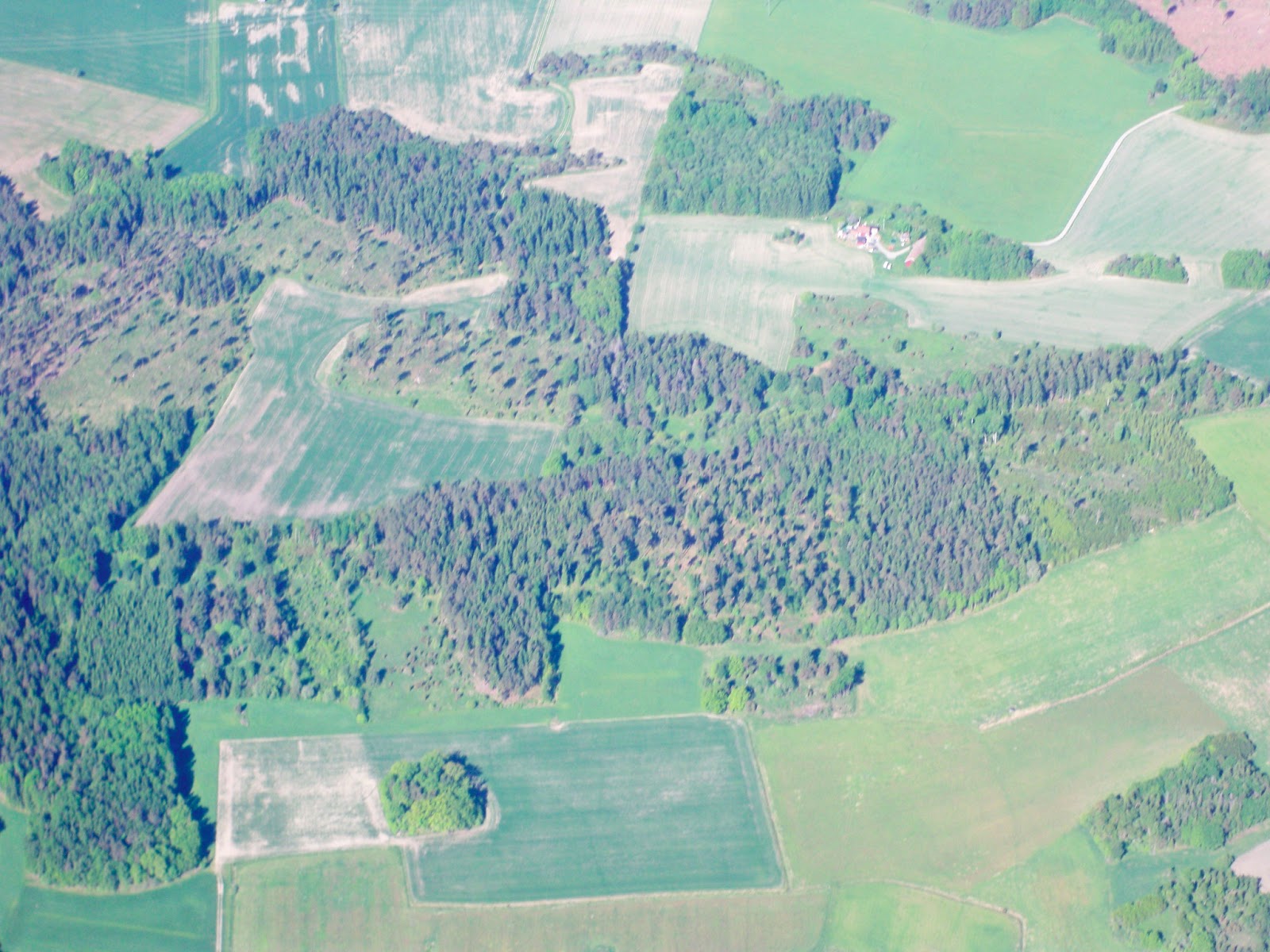
Yesterday, a trip that usually takes eight and a half hours took an hour and a half. Instead of driving to Kentucky, I stepped on a plane, waited around a few minutes (OK, I’m not counting that, I was reading!) and in less time than it takes to watch a Disney movie (which is how we used to measure travel distances when the kids were young; one “Lion King,” one “Beauty and the Beast,” one “Hunchback of Notre Dame” and we’re there!) I was looking at my hometown from the air.
Among the cognoscenti (of which I obviously am not one), Lexington, Kentucky, is said to have one of the most beautiful aerial approaches anywhere. The old grandstands of Keeneland Racetrack, the red-topped barns of Calumet Farm and the white-fenced green fields of the Bluegrass are the last things you see before the plane touches down.
But it wasn’t just the beauty that amazed me. It was being reminded of air travel’s time-stapling speed and the essential order of the landscape. Truths that have been hidden to me recently but which I caught a glimpse of again yesterday.
The travel agents call it shoulder season. The New Englanders call it mud season. I call it Irish season. The time between winter and spring. A time when anything can happen. Snowfall or sunshine. Bloom or bust.
I’ve only been to Ireland once, but it feels like more often. Maybe I live vicariously through the travel of others. Or I listen to so much Irish music that I fool myself. Or I feel such an affinity for the landscape that I see it wherever I go.
Or maybe I visit there every year during the Irish season.
(County Clare channeled through the hills of West Virginia.)
Word comes this morning of a brother’s travel plans. Electronic word.
This is the way the world works now. You forward itineraries, e-mail arrival and departure times. It’s easy to do and helps with logistics.
Sometimes when planning my own trips, I become anxious, apprehensive. Can I make that connection? Should I stay in that hotel? Can I afford this trip? (The answers, if I’m being truthful with myself, are no, no and no.)
There are none of these problems with the trips of others. One can savor a place from afar. This is the day they land in Dublin and from there they’ll drive to the Wicklow hills. Will it be raining? Will it be cold? It doesn’t matter!
It’s a good time to be an armchair traveler.
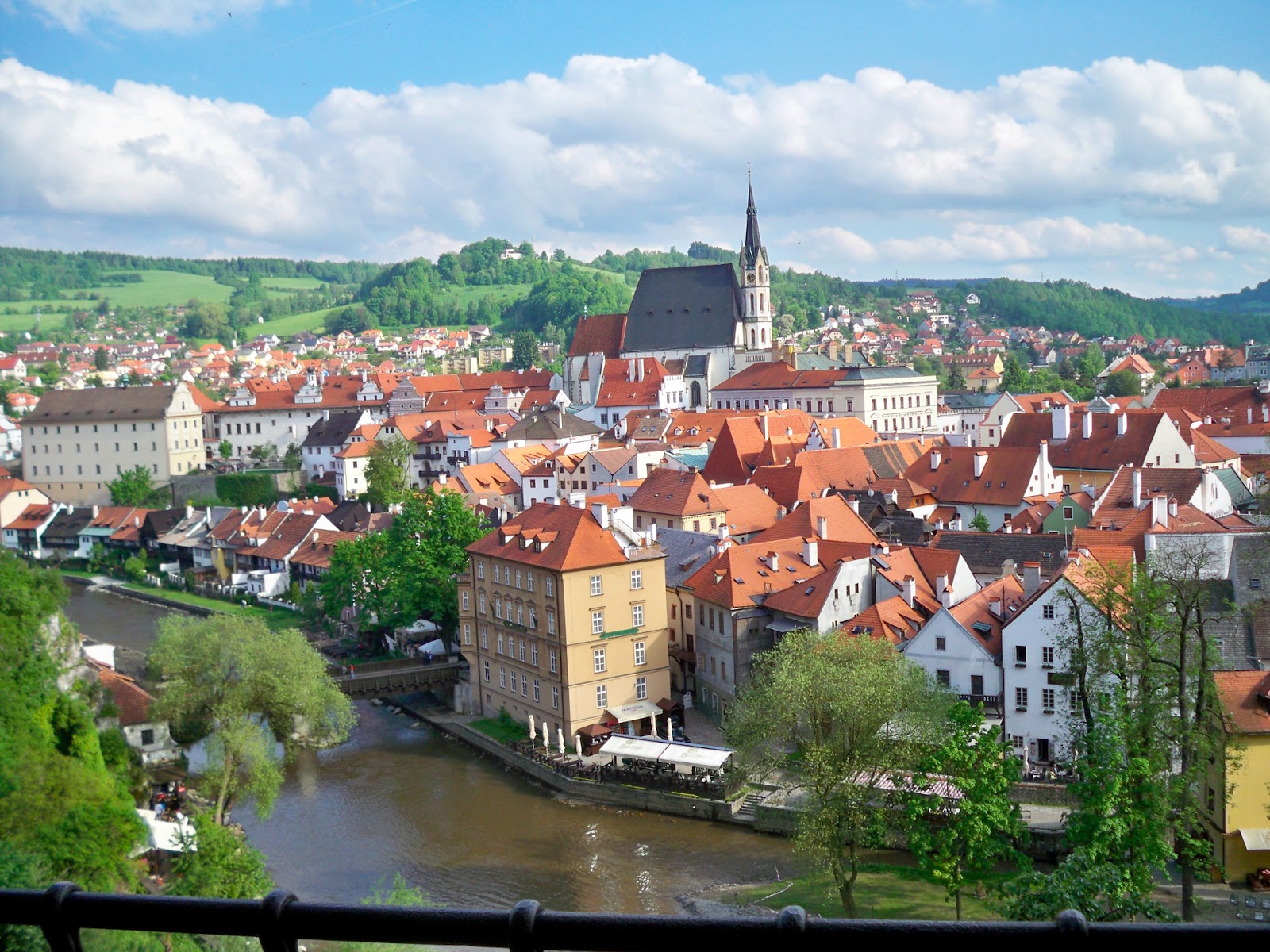
(This photo is from real, not virtual, travel.)
After six months of phone conversations only I received my first real email communication from Suzanne this morning.
“I’m writing to you from the bustling metropolis of Kandi,” she began. And it must seem like a bustling metropolis to her, living in a village without electricity and running water. On the other hand, she intended irony. After all, she’s a child of the suburbs, grew up in the shadow of our nation’s capital, can maneuver a van around the Beltway at rush hour if need be.
Now, she travels on foot, bike, moto or bush taxi.
Seeing her message makes me want to drop everything, hop a jet to Cotonou and bush-taxi myself right up north to Kandi.
I won’t, of course. Not yet, anyway. This is her world now. I write about it only to remark on how the written word brings her new life to us in such a special, immediate way. Words winging their way from one world to another with the stroke of a key.
On my drive west Saturday I followed the moon as it slid slowly toward the horizon. It was a beacon for the early hours of my trip, the ones I struggle with most because it’s dark and I’m tired and the steaming mug of tea has cooled and there are hours to go before I enter the Bluegrass state.
But the moon was dramatic in its slantwise trip, thanks to its full state and to the banks of clouds that colored in its wake. It seemed even larger as it reached the horizon. Big and glorious and sun-like in its setting. A full moon can mimic the sun much better than a half or a crescent.
I realized, though, as I admired the moonset, how sun-centric I am, how I compare the satellite unfairly with the star. The moon has its own motions and missions and poetry.
I missed the moonset’s final moments, because by then I was driving south through the Shenandoah Valley and the western sky was hidden from view. But it was there when I needed it most.
(A partial-moon moonset viewed from our house.)
“Do we have a shell I could take to school for my photography class?” Celia asked this morning.
Shells? Do we have shells?
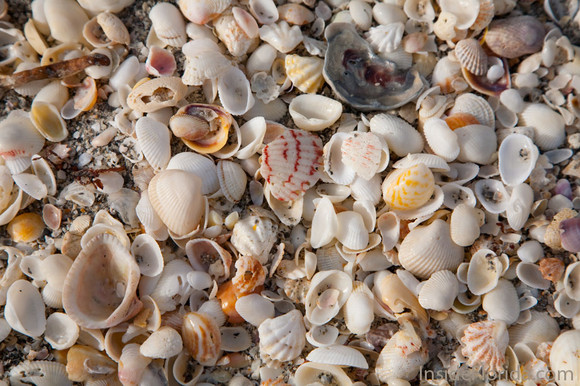
We have them from Topsail in 1996, Oregon in 1999, Clearwater in 2004, Chincoteague in 1997, 2003, 2008, 2011 and, from this year, shells still in the plastic bag I hurriedly stuffed them in two weeks ago. I stuck the bag in the garage and forgot about it until this morning.
I opened the bag, and there they were again: shark eyes, whelks, jingles, clams, cockles and half an angel shell.
I remember the long walk on the beach the afternoon I found most of them, the ridges and hills where the sand wasn’t graded, trudging and trudging until I couldn’t see another soul and finally, finally coming to the end.
The vacation has been over for two weeks. The shells — and the memory of that walk — remain.
Photo: InsideFlorida.com
In the movie “Castaway,” Tom Hanks is so lonesome that he befriends a Wilson basketball, invests it with thoughts and emotions, talks to it as he would a pal and is bereft when he loses it. This time last week I was worrying that in my five days at the shore I would start babbling away to my laptop or my bicycle or myself. That I would find a “Wilson” of my own.
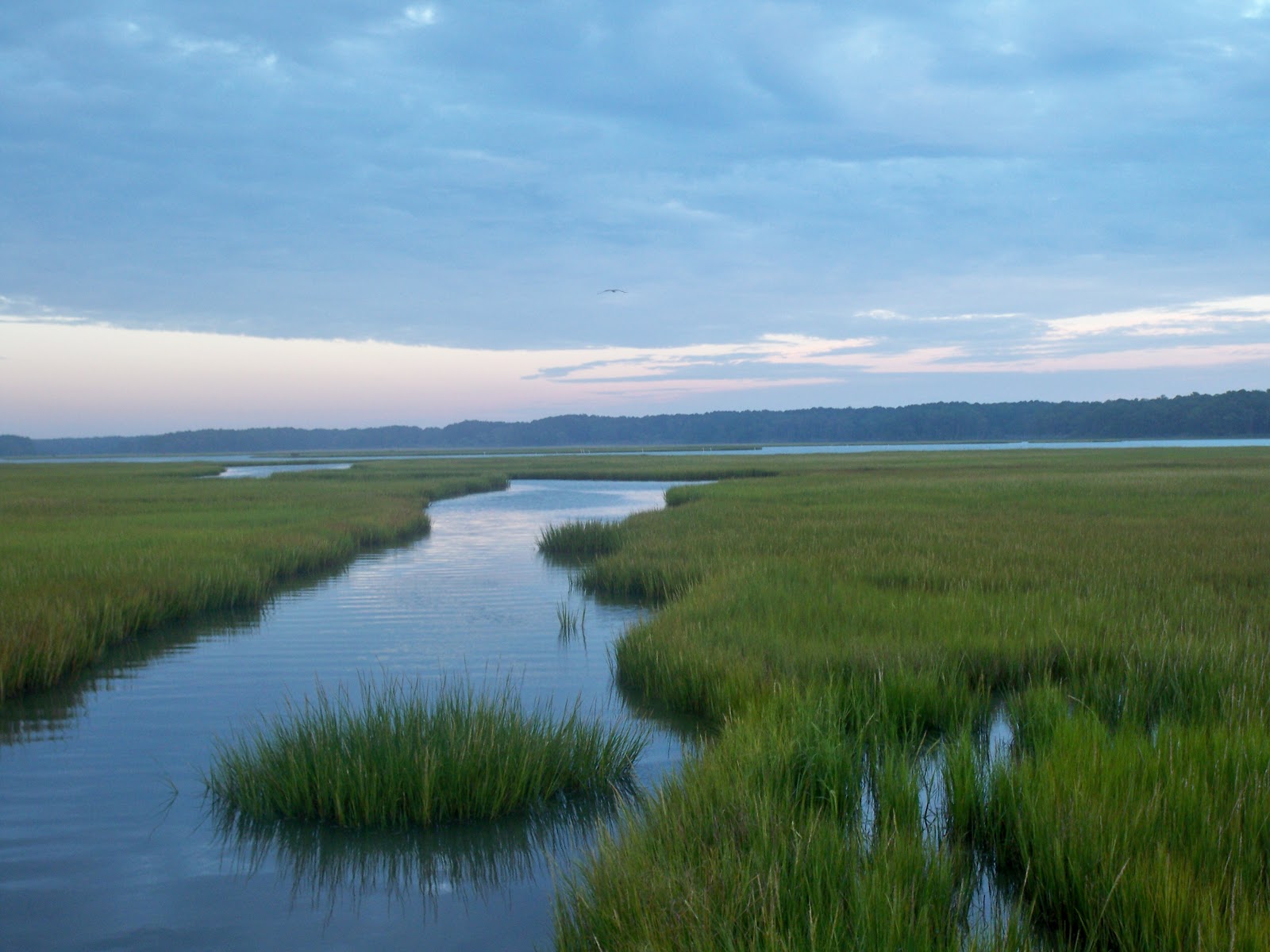
As it turns out, I was quite happy alone. A calm feeling took over once I had driven through the worst of the rain on the way to the beach, and it stayed with me during the five precious days I had to myself. Were I to have weeks of solo time, I’m sure I would have gotten lonely, and I was certainly glad to see my family yesterday. But a week or two of solitude is not only manageable, it is essential. I vow to remember this truth in the future.