A Triumph

A Triumph

I’m writing this on the deck, pushing it a little since the thermometer says it’s 44 , but doing it anyway because it’s so gorgeous out here that I don’t want to be inside. 

The grass is bright green and striped with shadows from the still-low sun. The trees have their earliest leaves, tender and golden. 

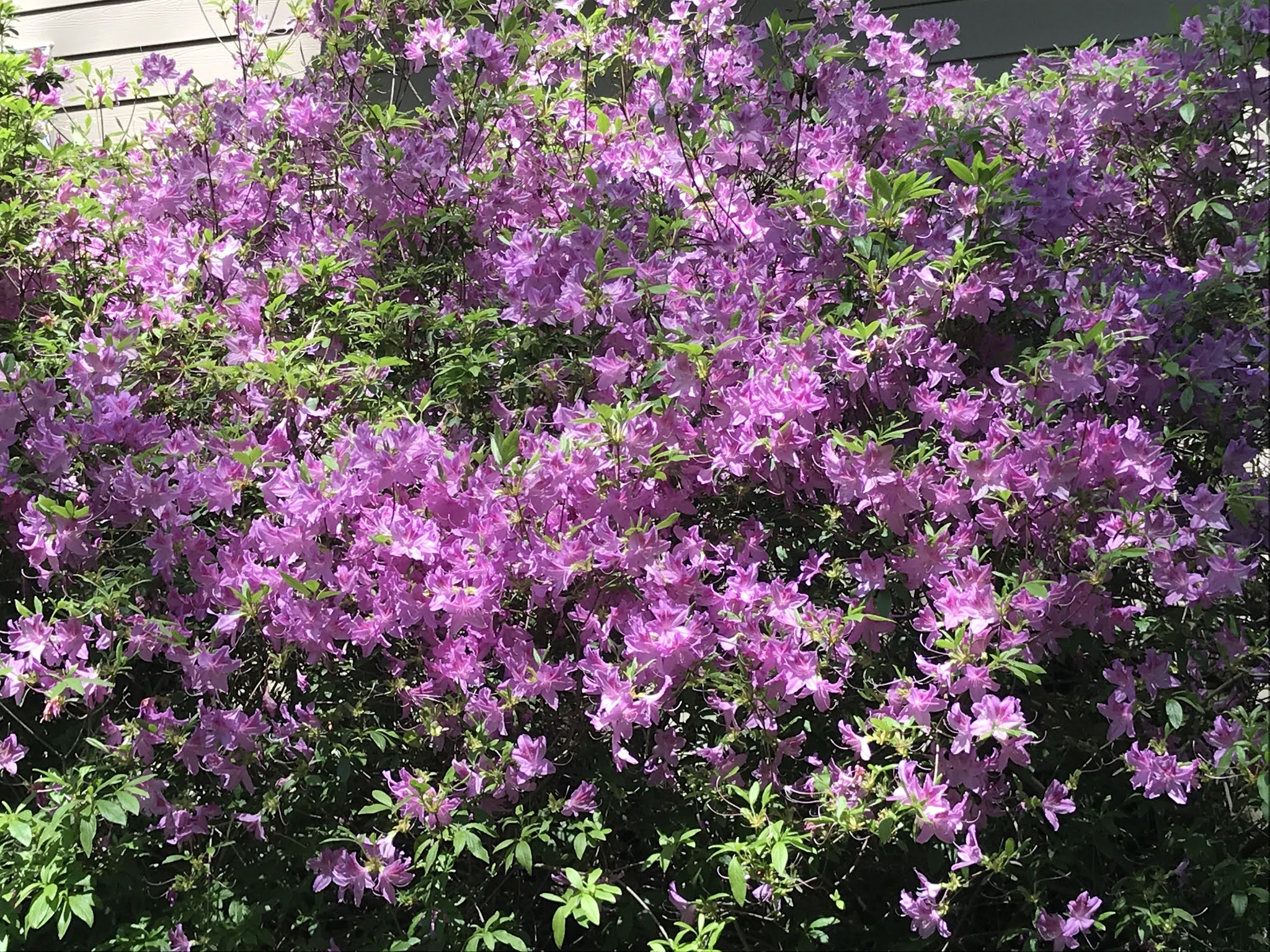
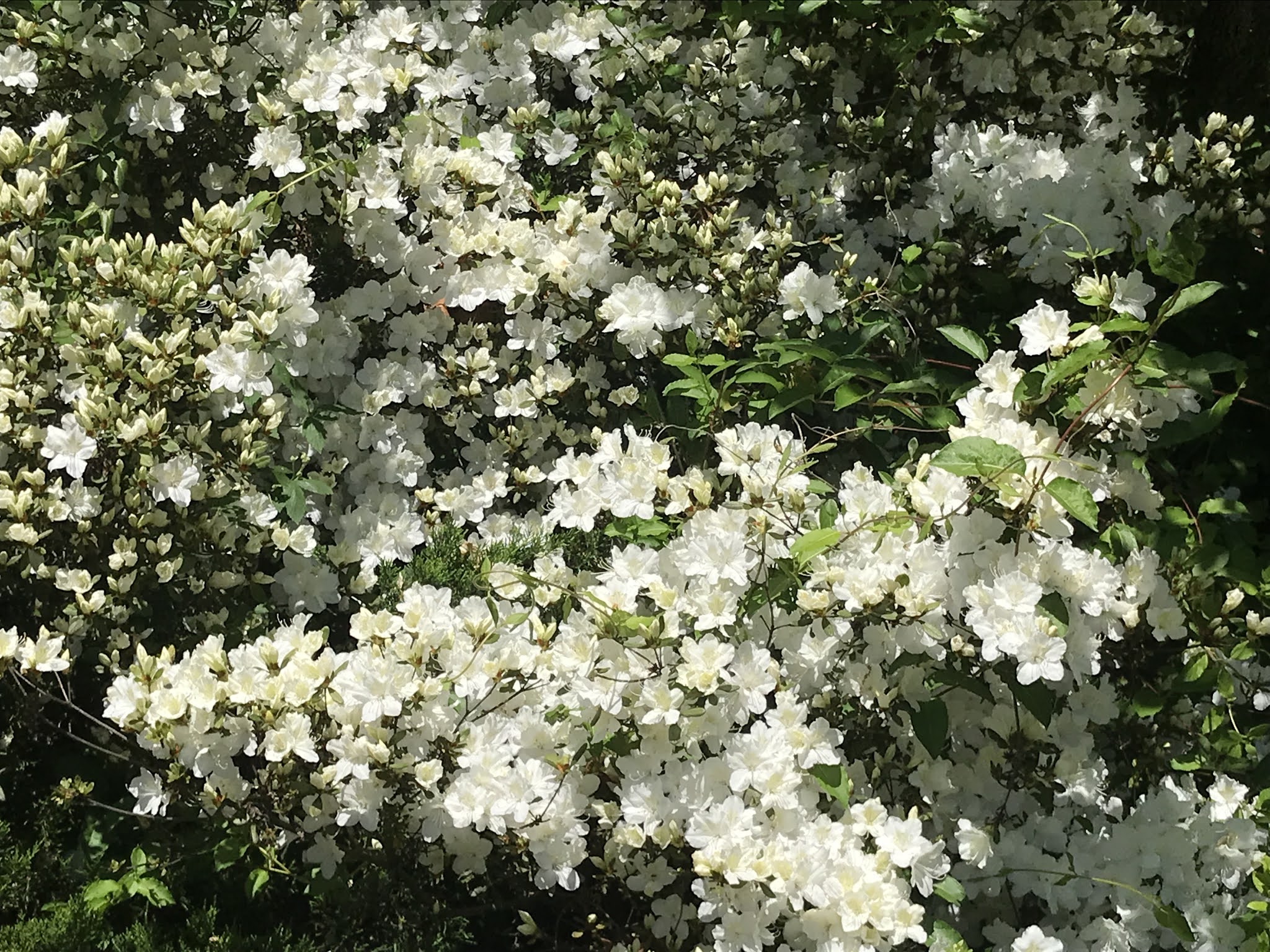
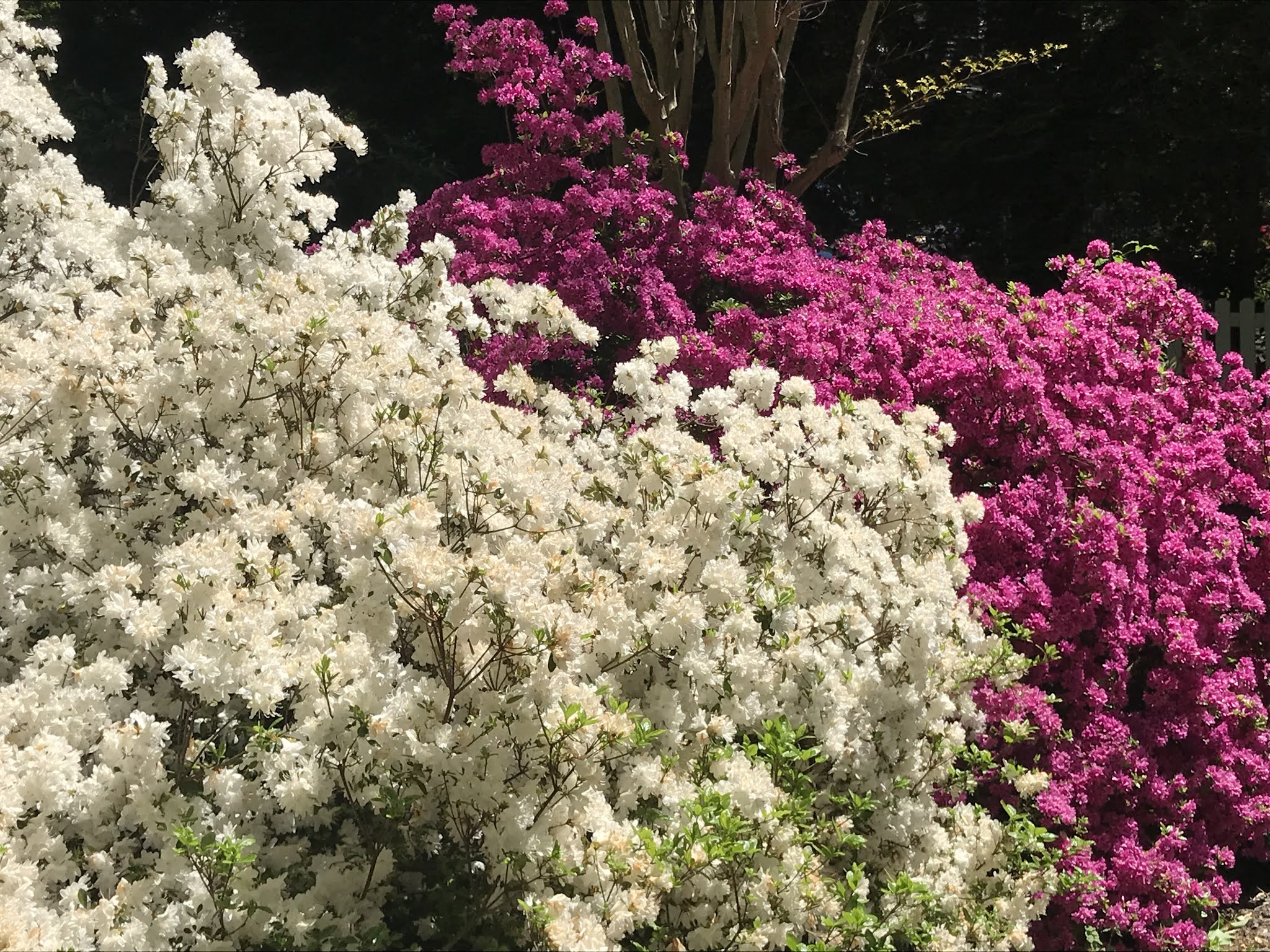
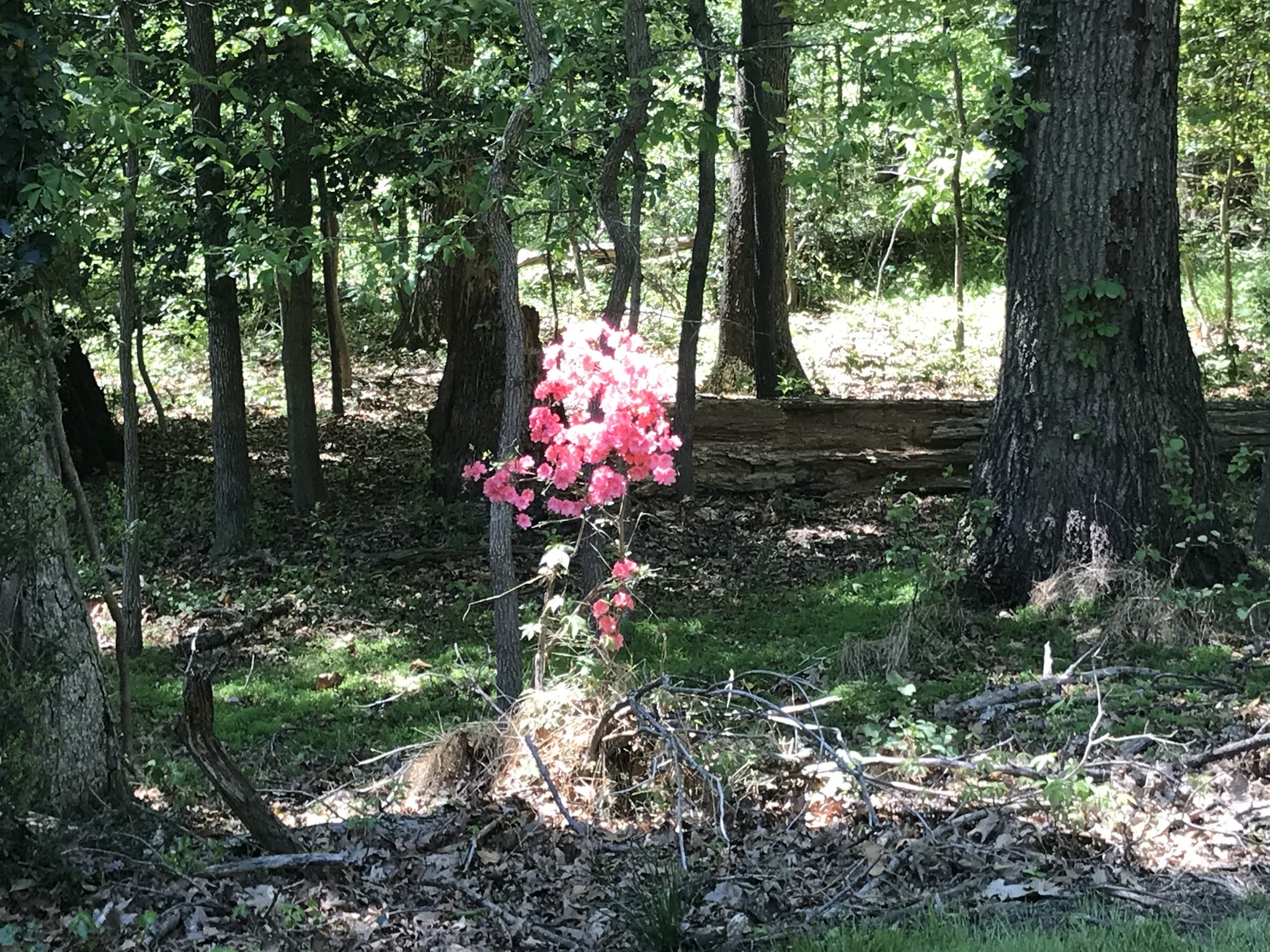
The azaleas have burst into bloom — the lavender one along the back of the house, the bifurcated pink one beside the trampoline, and the fuchsia one in the middle of the garden — a mistake in terms of landscaping but a triumph from the azalea’s point of view. 

Knowing how rare such moments of perfection are, I plan to sit here a moment, sip my tea and be grateful for every bit of birdsong. 

Just Marveilng

Just Marveilng

You know the days when they come, days that stand out from others not because they’ve been set aside as holidays but because they have not. They’re naturally delicious from beginning to end with no agenda other than spending time with the people you love. 

I just had one of those days. Apart from an hour or two in the morning when I finished up work tasks from yesterday, there was nothing on the calendar but a quick trip to the store. Otherwise, it was a block of time reserved for hanging out and staying in. 

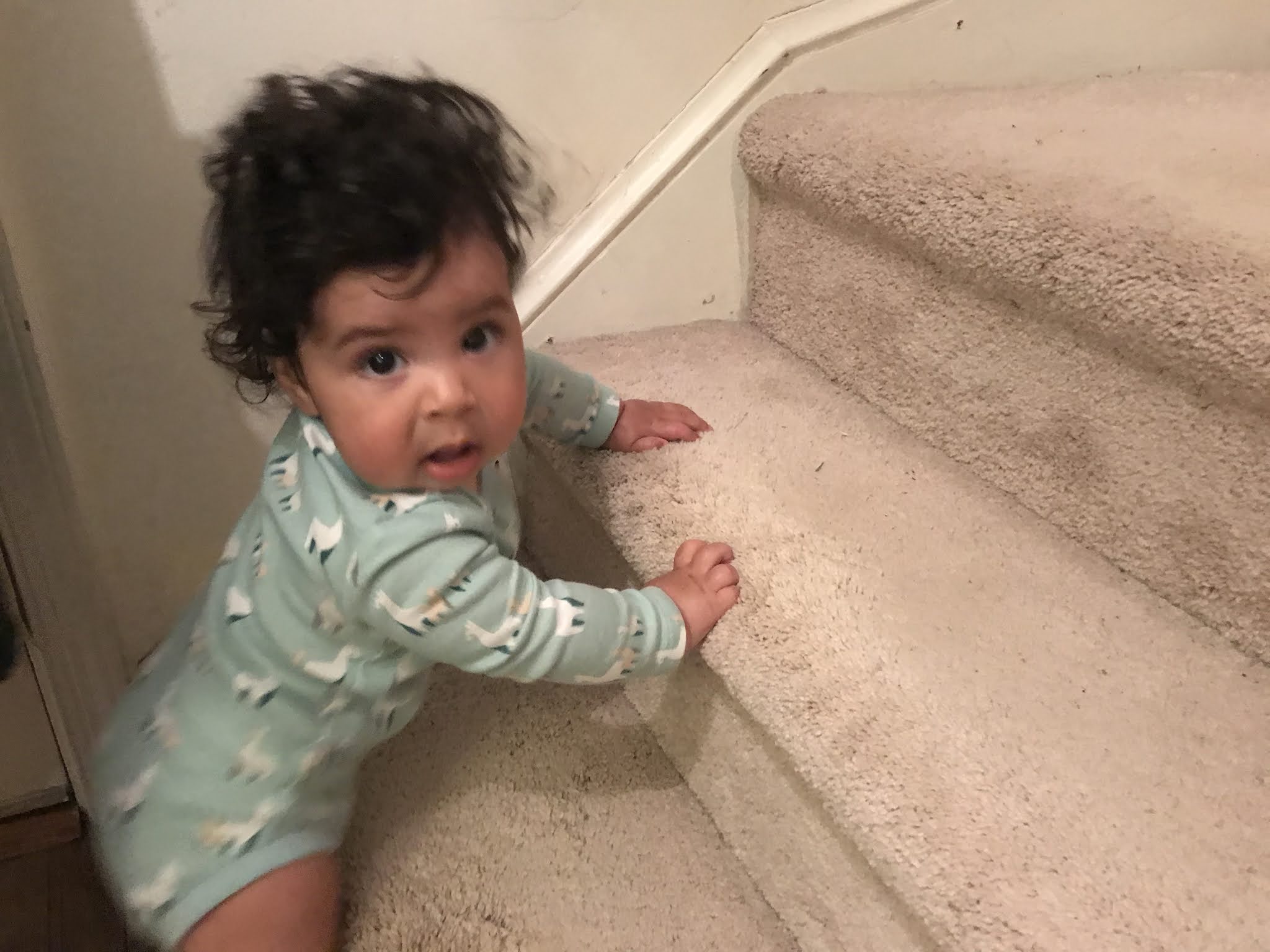
By 11 a.m. the babies and their mamas arrived to spend time with their aunt and sister.  It was loud and chaotic, with gurgles and shrieks from the infants and laughter and conversation from the adults I still call “the girls.” 

Copper, revved by the unaccustomed activity, patrolled the gathering like a shark in the water, looking for plump infant toes to nibble. We managed to contain him, but barely.

Now it’s evening. The babies are at home in bed, their parents are pooped, and we … are just marveling at it all. 

(“Sock letters” welcoming Celia home.)

Reunions Now

Reunions Now

I haven’t hugged our youngest daughter since August, when she flew back to Seattle. That’s one Thanksgiving, one Christmas, one Easter, several birthdays (including hers) and one new baby in the family ago. It other words, an eternity. 

As I look forward to our reunion today, I think about others taking place across the country, families and friends long separated by work and pandemic restrictions. 

Just yesterday, dear friends from college texted me a picture of their gathering. Was it my imagination, or were their smiles brighter than they would have been had this not been a post-Covid meeting? Doesn’t everything seem a little more significant now? And if it doesn’t, shouldn’t it?

Exploring Efficiency

Exploring Efficiency

As the days of full-time employment wind down for me, I’m thinking about efficiency, how it has ruled my life for as long as I can remember. 

Efficiency has always seemed an essential. I don’t know how people tackle life without it. But it has downsides, starting with how it stunts creativity. 

How does the mind roam free when the ticking clock of duties runs persistently in the background? Are there certain places and postures that help to dispel efficiency? Can one simply shut it off once it’s no longer needed, or is one stuck with it?

I will be exploring these questions at length … starting May 1. 

(My old office, where I was usually efficient.) 

Floor Time

Floor Time

Some people clean house before the maid arrives. I have no maid, but I do, today, have carpet cleaners. For them I’ve not just vacuumed, I’ve lifted, unearthed and rearranged. 

Carpet cleaners, of course, must have access to the floor. And the problem around here is that many other things do, too. There are picture frames and shoes and boxes of files. There are radios and fans and music stands. There are computer cables and lamps that must be unplugged. There are filmy white curtains and floral dust ruffles that must be tucked up and away. Most of all, of course, are the books, which are not just on shelves but also in piles on the floor. 

The good part about all of this began even before the carpet cleaners arrived. That’s all the space that opened up during the preparation. Now … if only we didn’t have to put everything back! 

(Copper posing on one of the carpets that is not being cleaned today.)

Planting Seeds

Planting Seeds

As the great trees have fallen, the yard has grown brighter, able to support sun-loving plants.  Shade still rules the back of the lot, but it’s a more open place than it was ten years ago. 

Zinnias are old-fashioned flowers that like the sun.  They, like the recently transplanted knock-out rose, are the silver lining in the oaks’ demise. You can sow zinnia seeds directly in the soil when the ground is ready in spring. Which means I ventured out over the weekend, when the garden was moist and tangled in weeds, to start what I hope is a small crop of zinnias. 

Planting, like painting, is mostly about preparation. In this case, the preparation was weeding: ripping wild strawberry and mint from the flower bed; pulling the weed du jour, a tall, gangly stem topped with a baby’s breath-like white flower; and digging up wild onions and dandelions.  

Once I’d made room, I shook the seeds — the chaff, really, because that’s all it seemed — into my palm. How insignificant, barely more than pocket lint or specks of dirt with dust attached. But I spread them evenly and covered them with a light blanket of top soil. 

Surely planting seeds is the ultimate act of faith. If these wee, floaty things produce flowers I will be the most surprised one of all.

(Photo: Wikipedia)

Calm Start

Calm Start

The world outside my office window is brown and green and gray, a palette of soft colors for a foggy morning.

I woke to the sound of an early bird, a cardinal perhaps. But since that first song it’s been still and quiet, a calm start to what I hope is a calm weekend.

It’s time to get caught up on errands both inside and outside the house, time to collect myself before the changes to come.

Redbuds!

Redbuds!

Every year I obsess over a new type of spring bloom. This year, it’s the redbud tree. I’ve admired them forever, of course. On the long drives to Kentucky I would see wild ones blooming in the mountains, sometimes whole swatches of them coloring the hillsides.

Unlike the delicate cherries of early spring, the redbud is vibrant, bold — an azalea-hued plant that doesn’t wait till late April to show its bright color. 

I’ve photographed several of them lately and covet one for the yard. I have just the spot for it. 

The Sprawl

The Sprawl

Jason Diamond is a child of the suburbs, and in The Sprawl: Reconsidering the Weird American Suburbs, he writes about them with mixed but ultimately fond feelings, realizing the idea of comfort and security they have given him.

Which doesn’t mean he didn’t escape them as soon as he could. But he does come to terms with them, something I’ve been trying to do for years in my own, still-living-in-the-suburbs way. 

Diamond seeks to understand suburbs by visiting them — Levittown, New York; Roland Park, Maryland; Lake Forest, Illinois; and Fort Lee, New Jersey — and by analyzing movies and songs and books about them — William Gibson’s Neuromancer, Rakesh Satyal’s No One Can Pronounce My Name and one of my favorite films, “Ladybird.” 

The Sprawl is another book I picked up at the library, so serendipity was involved, and though it’s not the most lyrically written book on place, I like the no-holds-barred way Diamond describes its effect on those creative souls who grow up in places like, well, Oak Hill, Virginia: 

“Suburbs in the postwar era were built with homogeneity in mind, and nothing develops a sense of not belonging like telling somebody they have to fit into a mold. While it’s impossible to figure out the roots of each and every case of suburban alienation, stepping back and seeing that there’s something downright strange about the actual concept of the modern suburb — how it’s built and the psychological impact it can have on people — isn’t nearly as hard.”

Seeing Mom

Seeing Mom

I find it interesting that to me the most fascinating character in Ken Burns’ new documentary “Hemingway” is not Papa H himself (though I realize I’ve not read many of his short stories and most of his nonfiction), but Edna O’Brien, an Irish novelist who shines as one of the talking heads Burns uses so beautifully.

O’Brien is calm but intense, and her comments cut to the quick of Hemingway’s novels. In one of her earlier appearances, she takes on detractors who say that Hemingway hated women and wrote adversely about them. 

To answer these criticisms, she reads a passage from Hemingway’s short story “Up in Michigan,” considered scandalous when it was published. The passage occurs near the end of the story, after a sexual encounter that the female character did not want, and O’Brien reads it slowly, the camera panning down to her hands, which gesture slightly as she reads the words with that Irish lilt in her voice. 

I don’t see O’Brien then but my mother, who was roughly O’Brien’s age when she died. I see the same set of the jaw, the same hair, full and of a color not found in nature. The same unbridled truthfulness. 

Mom was a writer, too — though most of her stories were never told. 

(In honor of O’Brien and Mom, a photo of the green fields of County Clare.)