Reclining

Reclining

I’ve heard that Winston Churchill did much of his work in bed or in the bathtub — reclining, in both instances. Not that I intend to emulate that great man in all his habits (as if I could), but I have grown fond of working in a reclining position.

There is much to be said for it. Comfort, first of all. And with laptops as small and slender as they are now, it’s easy to do.

I even think thoughts may flow differently when one is lying down rather than sitting up. They’re more fanciful, less rule-bound.

Of course, the modern workplace is not set up for this, but if I was in charge, offices and cubicles would be outfitted with chaise longues as well as desks.

The only occupational hazard would be falling asleep. But it’s a small price to pay.

(Photo: Wikipedia)
Gains and Losses

Gains and Losses

Over the weekend I started reading about the 50th anniversary of the moon landing, which we will celebrate next month. One of the tributes was in Parade, which bills itself “the most widely read magazine in America.”

I couldn’t help but notice how thin this most widely read magazine is. And this got me thinking about what we have lost in the 50 years since humans first stepped foot on the moon — in particular the rich print culture that has been slowly dying during the last two (three?) of those decades.

I’m a print girl from way back, and though I quite happily ply my trade in a mostly-web way these days, I miss the heft and gravitas of ink on paper. I miss the smell of it and the feel of it, the weight of it in my hands.

I suppose you could draw a line from rocket technology to the waning of print. After all, the information age was in part launched by the Defense Advanced Research Projects Agency (DARPA). But that’s not where I’m going with this.

I’m merely musing that our technological gains come with quality-of-life losses. And I don’t want us to forget about them.

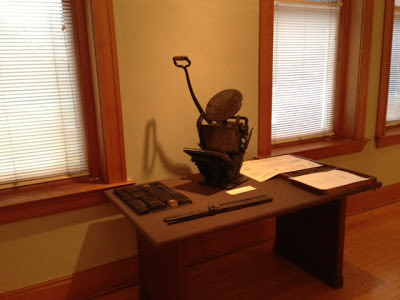
(A small printing press, from an exhibit at the Museum of the Written Word in May 2013.) 

Rest in Peace, Dominique

Rest in Peace, Dominique

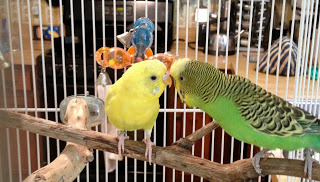
Dominique the parakeet, who came to us from the Fairfax County Humane Society shelter seven years ago, died yesterday. We never knew her age, but she could have been 10 or more by the time she passed away.

She was a small but valiant creature, and she proved herself loyal and strong on numerous occasions. Plagued for years by fatty tumors, she never let them slow her down. Even as late as yesterday afternoon she seemed strong enough to chatter and nuzzle with her cage-mate, the ever-so-chirpy Alfie.

In 2016, when her original partner, Sid, was ailing, the canary-yellow Dominique literally propped up the  sick bird with her own body.  And she bravely bore the antics of the young whippersnapper (Alfie) we brought in to take his place. Because Dominique really seemed to mourn Sid when he was gone. I was afraid she would pine away without another parakeet by her side.

The thing about a bird is that its death is preceded or accompanied by a fall. Not unlike humans, if you want to get biblical. But unlike humans, birds are creatures of the air, and to find one lying still on the bottom of the cage is sad indeed.

Rest in peace, Dominique.

(Above: Dominique and Sid in 2012)

Sniffing

Sniffing

With his new summer haircut, Copper reminds me of a Park Avenue dowager, her thin frame decked out in pearls and an old Chanel suit. He’s an older doggie now, but still has his pride and his passions, just as these old women do.

Most of all (and unlike them), he loves to sniff.

I’ve grown far more tolerant of the ambling pace that allows him to inhale all matter of olfactory delights: the soil, the weeds, the marks (and sometimes much more) left by other dogs.

As his hearing has fled and his strength has faded, sniffing is one of the pleasures that remains — and who am I to deprive him of it.

Newly Mown

Newly Mown

An unusual Thursday working at home, but other than that, fairly typical. On my walk this morning I was hit with a wave of gratitude for the relative normalcy of my life. Not that everything is perfect, only that it’s for the most part blessedly normal.

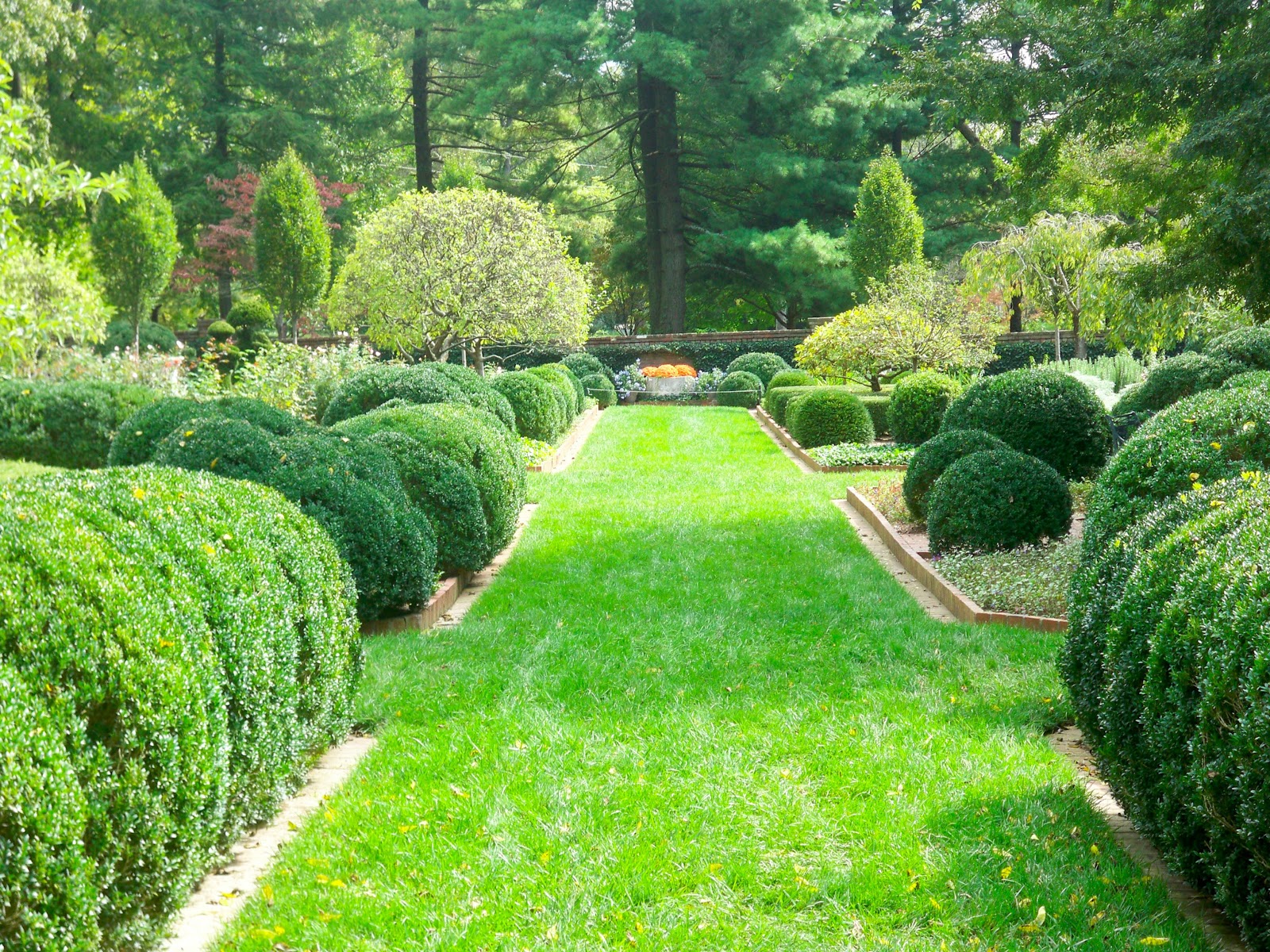
I often feel this way when I trudge through my leafy neighborhood and see the newly mown lawns, the neatly coiled hoses, the freshly mulched trees. With one or two exceptions, the people who live here care about their property; they paint their shutters and put their trash out: Mondays for garbage, Tuesdays for recycling, Wednesdays for sticks and lawn clippings.

When we first moved here I thought the tidiness was a sign of suburban OCD.  But now it seems proof of increased property values. Something — or someone — has changed. I think it’s me!

Usually Summer

Usually Summer

The armchair travel of yesterday’s post has an explanation, of course. It’s almost solstice. School’s out for summer.

Once a student and teacher, always one, I guess. Or at least always attached to that kind and gentle calendar, the one that offers summer after a long year of toil.

I know that I live in a fortunate time, one in which I don’t have to work every waking minute, one in which I can expect to have some years off at the end of a long working life.

But to get there requires much shouldering to the grindstone now. Most of the time, the grindstone is cleverly disguised as a mission, a life’s work, But sometimes, it isn’t.

And when it isn’t … it’s usually summer.

Rice Paddies Gleaming

Rice Paddies Gleaming

Yesterday was a Monday on steroids. I kept feeing all weekend as if a vacation were beginning … even though I knew one wasn’t. I came to the office and dutifully wrote, edited and interviewed. But I was longing to be away from my desk.

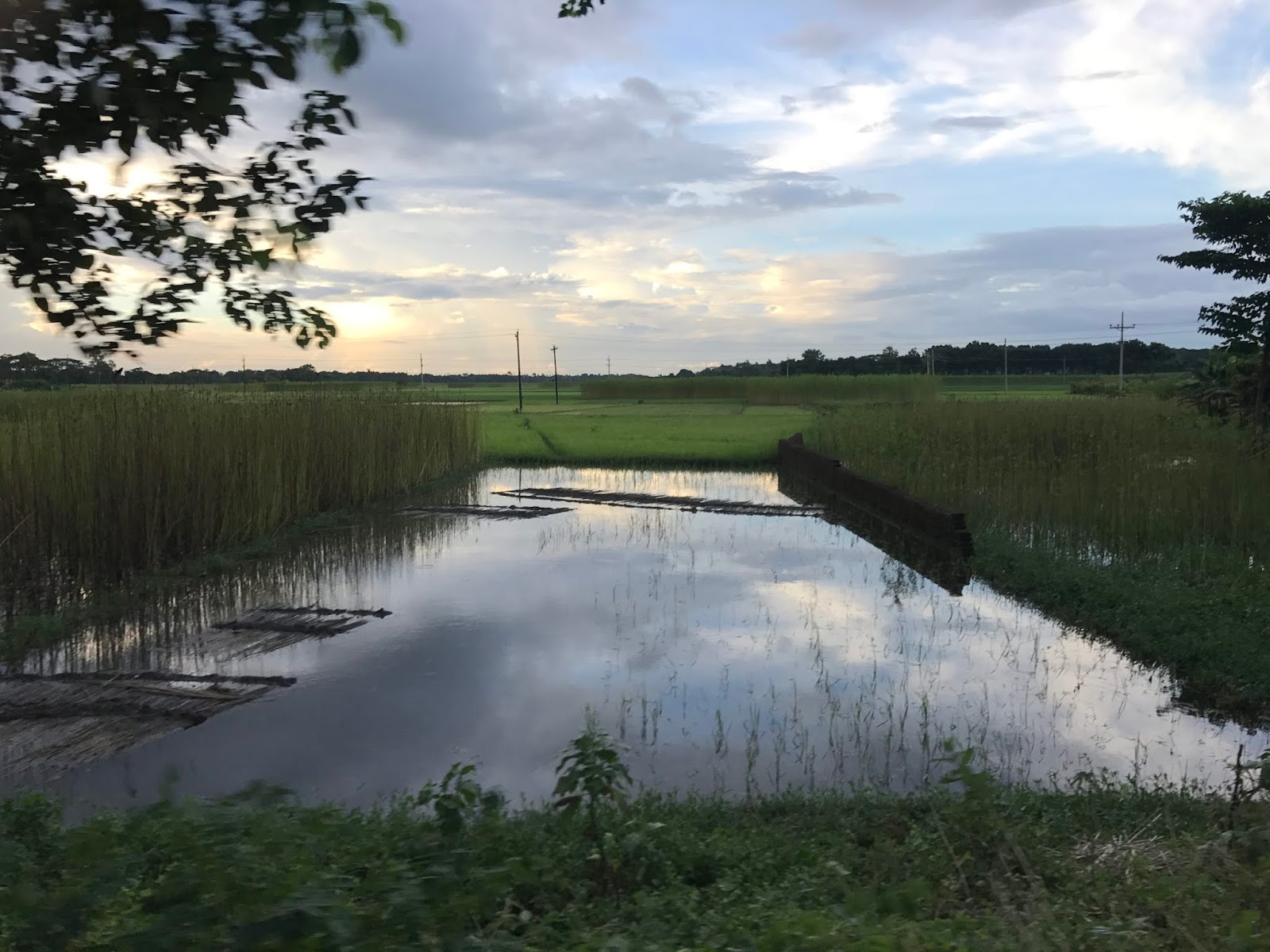
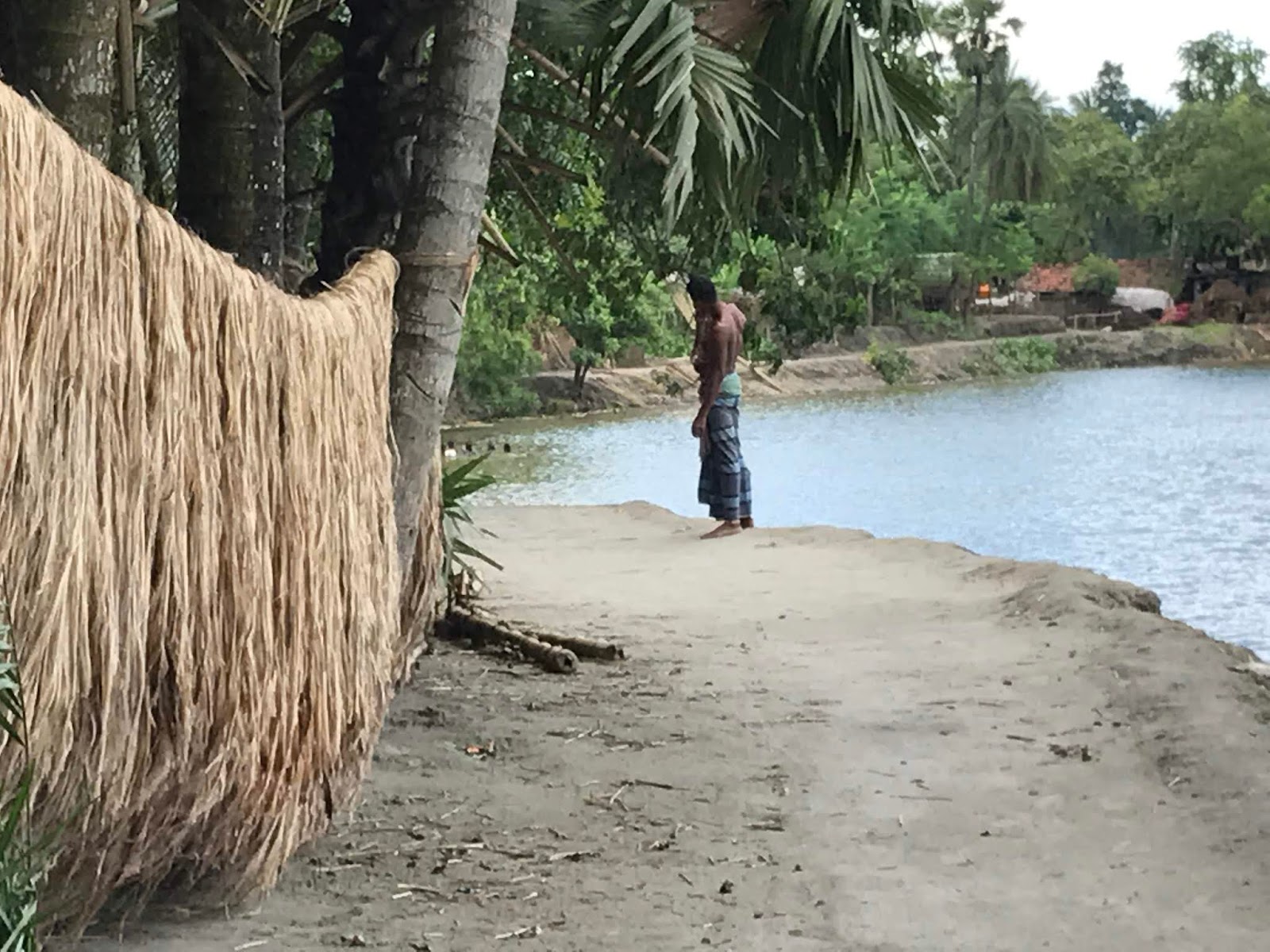
So for today’s post, a mental vacation, a memory. Two years ago, I was preparing for a trip to Bangladesh. It was a daunting assignment. I was interviewing dozens of people, many of them victims of human trafficking. And, to make me even more anxious, I was leading a writing workshop.

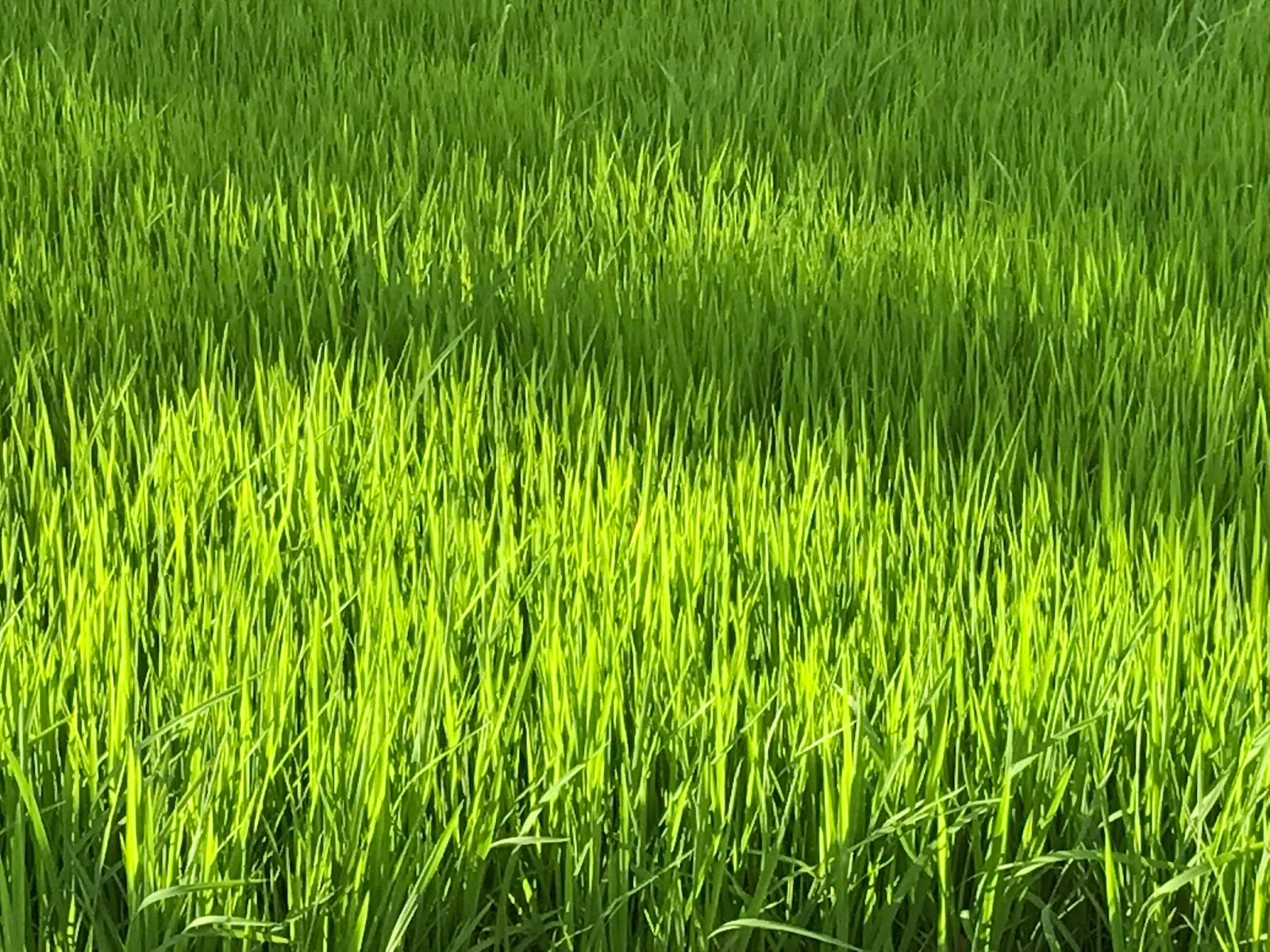
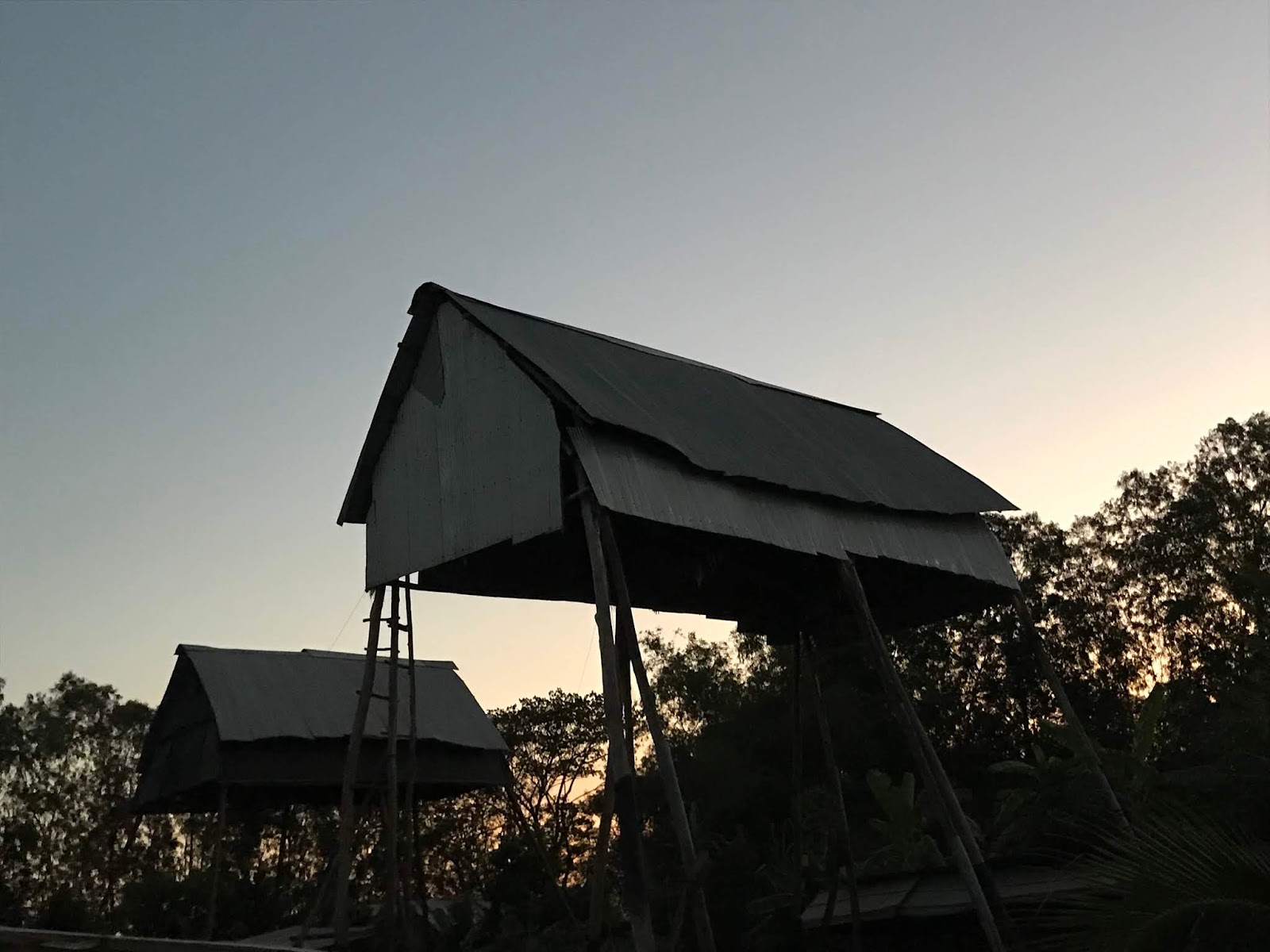
It all worked out, led to experiences and friendships I will never forget. So today, I’m thinking of Bangladesh, of the people there who have so little but give so much. Of sodden green pond banks, of rice paddies gleaming and jute drying in the sun.

Lighting One Candle

Lighting One Candle

It’s a strange sensation to lose electrical power in the middle of the night. Already dark and quiet, it might almost pass unnoticed. But I happened to wake at 4 a.m., perhaps missing the whir of the fan. When I glimpsed my darkened bedside clock, the silence suddenly made sense.

It was not just the deprivation of darkness, then, but a deeper lacking. Did I feel it somehow, drifting as we were without power through the night? I think so. My own small reading light seemed an insufficient candle to counter all that darkness. It gave me light enough to read by, though, and the evening was cool enough that I felt drowsy again before long.

Just as I began to drift off, a large truck chugged its way down the street. It was the power company. They were on it. I fell back to sleep lulled by the purr of the big truck’s engine.

Long Twilights

Long Twilights

I read in the newspaper today that we are not only in a period of long days and short nights but also in a period of long twilights, which occur around the summer solstice.

I learned in this article that there is something called “astronomical twilight,” which only ends when the last glint of light leaves the sky. Last night that was 10:33 p.m. And this morning some form of light was back again by 3:43 a.m.

Most of us can’t discern such minute shadings of gray. But they are there. And they are longer now than at any other time of year.


Fresh Starts

Fresh Starts

The rain moved out overnight and left behind a bright breezy morning. As the wind blows you can see the underside of the leaves, and that creates an even more varied palette of green. I finished a big work project yesterday and am catching my breath from that. It feels like something new is beginning.

I like to think about all the little fresh starts we are given in a lifetime. Of course, there are the big ones: new schools, new jobs, new loves. And then the really big ones, births and deaths. But in between there are countless others: new weeks or weekends, visiting a friend we haven’t seen in years, taking a trip and returning from one, finishing a book that sets the mind a spinning.

These little beginnings are the freshets of regular existence, burblings-up from the wellspring of grace that is there all along but is often forgotten.