Birds Take Flight

Birds Take Flight

“Every day,  I walked. It was not a meditation, but survival, one foot in front of the other, with my eyes focused down, trying to stay steady.”

This is from Terry Tempest Williams’ new book When Women Were Birds. A few pages later, Williams writes: “I am a writer about place who is never home.”

I link these two passages. The walking and the writing about place.  Each essential to the other. One to prime the pump, the other to fill the jug with cold, clean water.

So where do the birds come in? Williams meets her husband at a bookstore, as he’s buying a bird guide. Williams finds her voice through a special teacher who reads to her about the winter owl. A peregrine falcon once slit the corner of Williams’ eye. Another time, Williams sees a painted bunting that arrived in a wintry Maine on the cusp of a fierce winter storm.

“When dawn struck his tiny feathered back, he ignited like a flame: red, blue and green. … I have not dreamed of white birds since.”

When I finished Williams’ book I flipped through the pages with my thumb — and saw the birds that illustrate the outer edge of each page fly back and forth as if alive.

Birds take flight. So do words.
48 Hours

48 Hours

To return home is to find your way back when you didn’t know you were gone. To return home is to see what happens when you weren’t looking.

What happens when you don’t know where home is?

That’s why I pay attention to the feelings that accompany arrival.

I’m in Kentucky for 48 hours. It isn’t long enough.

Long Evenings

Long Evenings

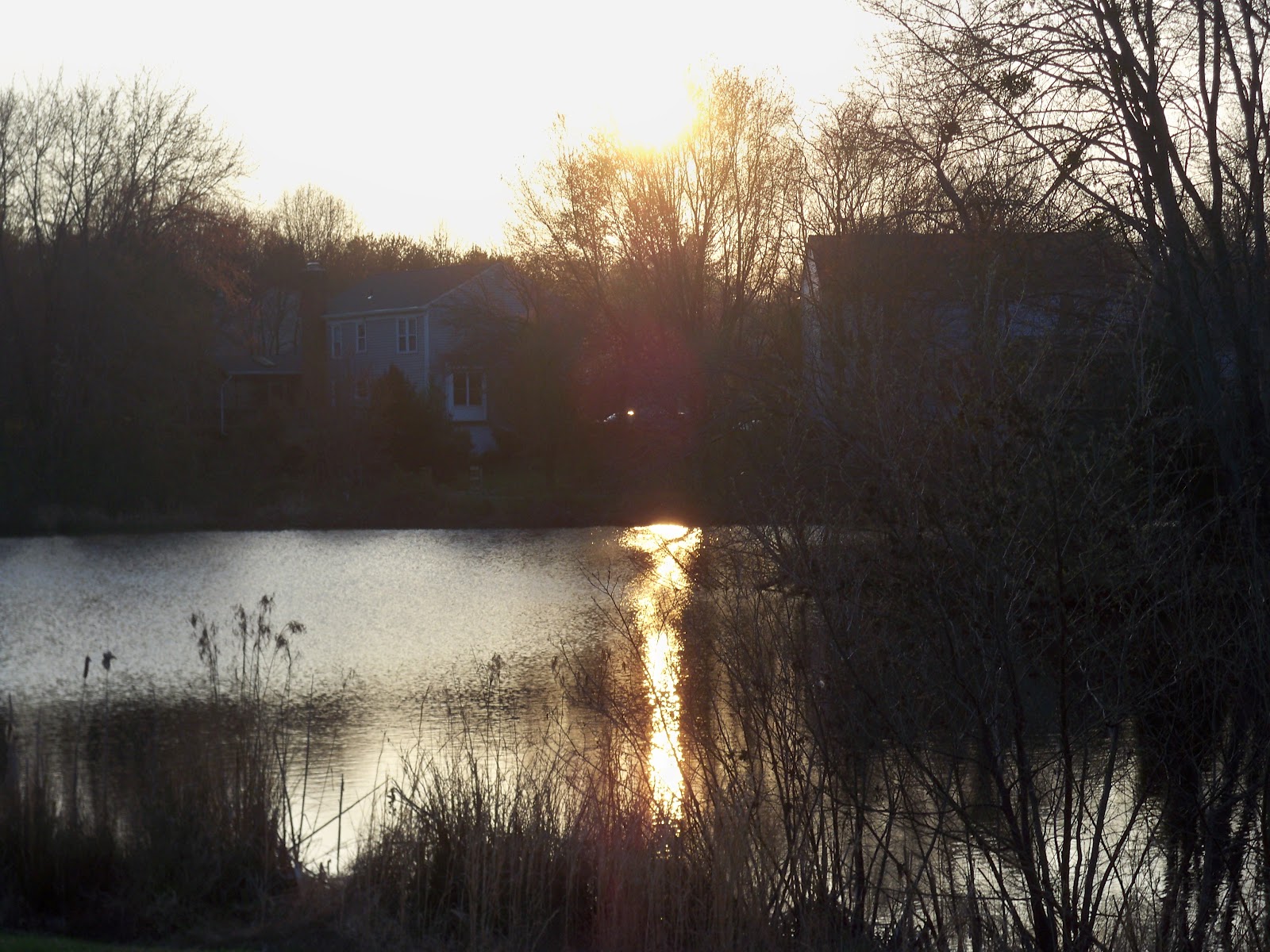
After dinner, almost dark — I work in a quick walk around the neighborhood. The sounds of the day mingle with those of the night. I hear a catbird settling in a maple tree, and, at the same moment, a chorus of crickets from a hedge beside the road.

The peepers are gone now but tree frogs are already serenading us. Wind chimes and soft music waft across the street from our neighbors with a front porch.

In a few weeks the pool will be open and the sun setting even later. Long evenings soothe and invigorate. We can live without them — don’t we prove it every winter? — but it was hard last night to imagine how we do.

Unfamiliar Route

Unfamiliar Route

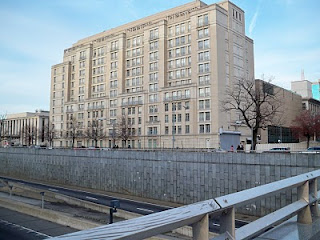
Sometimes I take the long way to the office. I go straight after leaving Metro instead of turning left. I walk alongside one of the largest homeless shelters in the city and past a wall of cars exiting a tunnel. There’s a building under renovation, and I have to scamper across the street to avoid the construction.

This route takes a little longer. I can’t do it on auto-pilot. But there is a bustle and an energy to it that isn’t present on my regular path.

Does the allure of this walk come from its unfamiliarity? Or is it the nature of the scenery itself — closer to the train station than the sunken highway — that’s responsible? I’m not sure. But it’s worth the extra steps to ponder the answer.

May Showers

May Showers

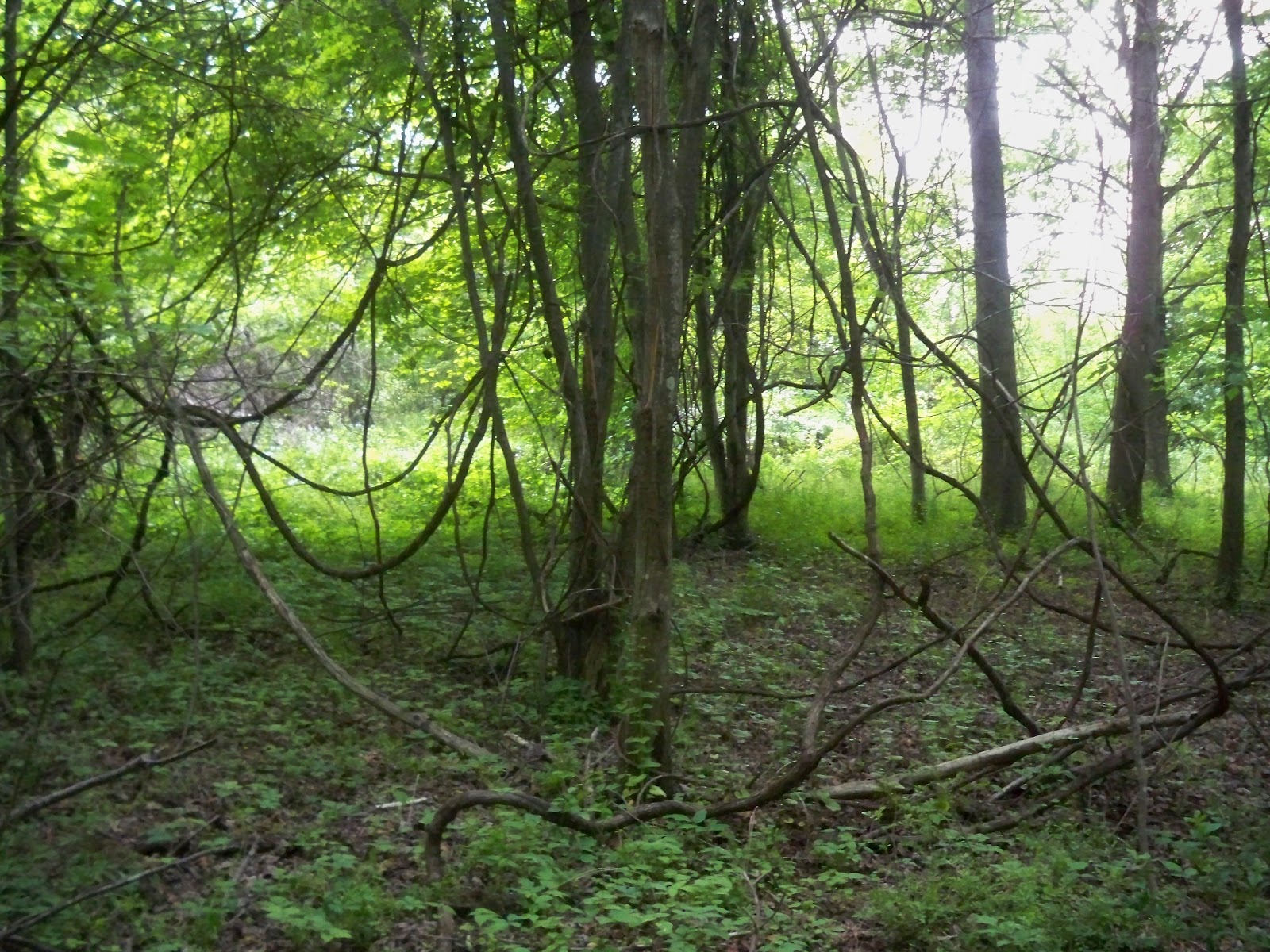
We woke to a green world this morning. Days of rain have freshened our lawn and trees, have sprouted weeds, have scrubbed the air clean of pollen and delivered back to us a pristine place we have to look twice to recognize.

What to make of this sodden, soggy terrain? It is no trouble for us, with our paved roads and our close-and-lock windows. With our non-leaking roofs. We are free to muse on the weather rather than fight it. Though there have been torrents in the past, flooded roads and parking lots, wet basements and water damage — these were not our fate this time around.

It was hard not to appreciate this rain, even the thunderstorm last evening that topped it off.  I can hear the flip of wings as birds bathe in green springs that will be gone by noon.

April was short on showers. May is making up for them.

Heeeere’s Johnny!

Heeeere’s Johnny!

I stayed up late last night watching Johnny Carson. Tom and I laughed in front of the set as my parents had so many years ago. I remember hearing them from my little bedroom upstairs. Dad would pop popcorn and open a Pepsi; the Tonight Show was a grownup party I wasn’t invited to.

But there would be plenty of time to watch Carson — when I was in high school; during college summers, when I came in from my 3-11 p.m. waitress shift; when I was single and living on my own; and (less so) after I married and had kids. Johnny’s last show was in 1992. Our middle daughter was not quite one; our oldest was three. I slept whenever I had a chance — including through the last Tonight Show. This is something I’ve been sorry about through the years, so when I heard there would be a documentary about Carson on last night, I made a point to tune in.

There they all were — Ed McMahon, Doc Severensin, Johnny in his natty suits  — all of them young, so young. There was Johnny bursting through the curtain, fiddling with his tie, swinging his imaginary golf club. There he was running from a baby cheetah and jumping into Ed’s arms, wearing a turban as Carmak, deadpanning after a guest’s wacky comment, saying things he would surely be called sexist for now. Johnny worked a flubbed joke better than anyone in the business.

It seemed like most everyone watched Carson, liberal and conservative, gay and straight.  Carson has been off the air for 20 years — and the world has become a more brittle, more divided and less funny  place. Don’t you wish we could all stay up late again watching Johnny?

Photo: dvdtalk.com

Rain in Isolation

Rain in Isolation

One aspect of living here that I’ve never minded is our sunny climate.  I don’t know the statistics, but the D.C. area is the brightest place I’ve ever lived. Which means I appreciate the rainy days when they come.

Today’s patter sounds like the rain in white noise machines. It has the same rhythm and pitch, the same levels of splatter. It is, then, a model spring shower. Made to order for the annuals I just settled in the ground yesterday.

I enjoy today’s rain only because it is the exception not the rule, though. There are places in this world I could never live because rain is the rule, not the exception. I’m thinking of Ireland.

Here is Heinrich Boll in his slender 1967 volume “Irish Journal,” writing about the weather of the country to which he says he is “too attached”:

“The rain here is absolute, magnificent, and frightening. To call this rain bad weather is as inappropriate as to call scorching sunshine fine weather. You can call this rain bad weather, but it is not. It is simply weather. …”

Rain in isolation does not drain the spirit. It excuses one from outside labors. It opens up the book, turns the page, settles the pen in the hand. Sometimes it even inspires.

Through a Glass

Through a Glass

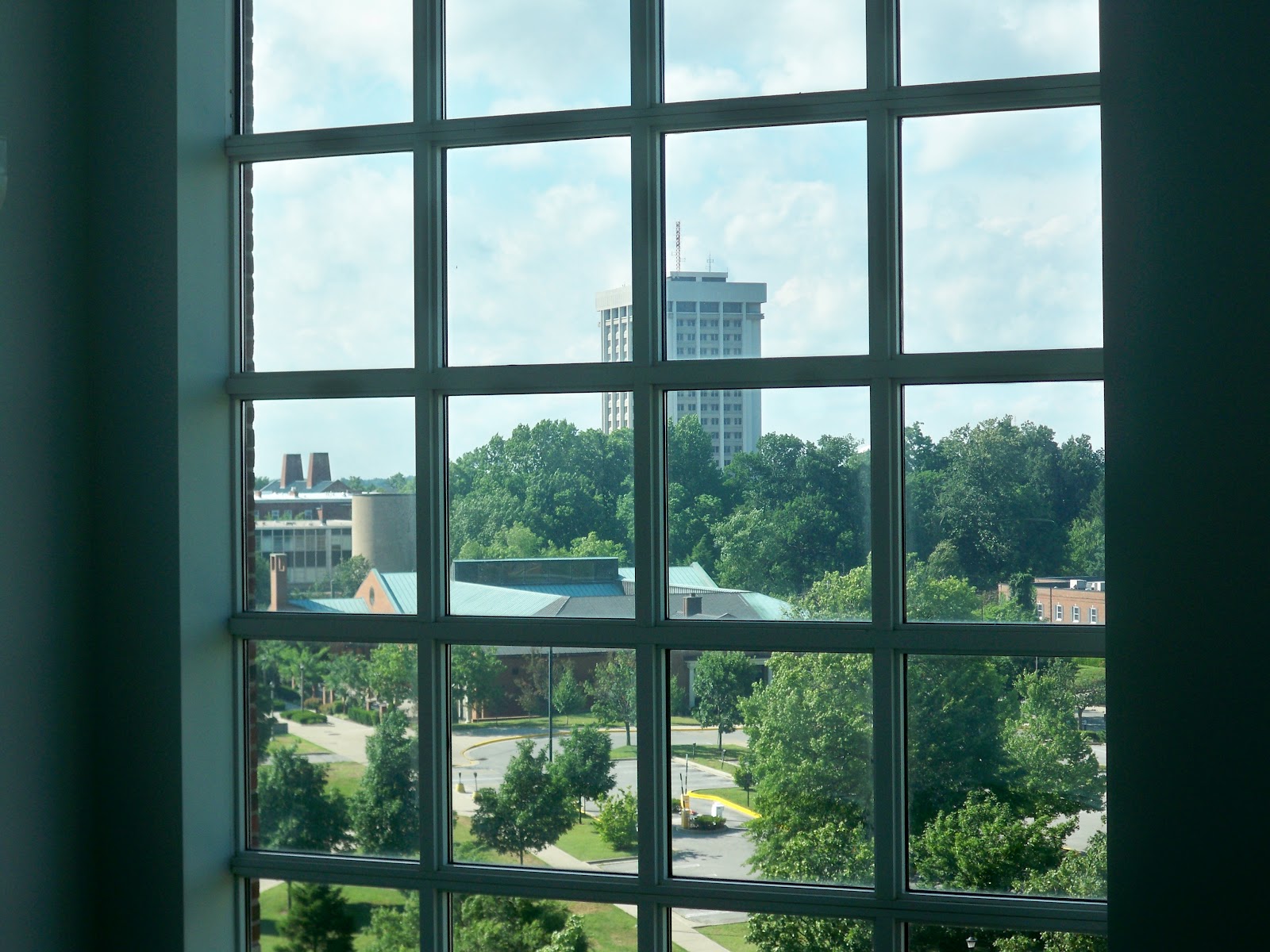
If eyes are windows to the soul, then windows are eyes to the world. It is through them that we see what goes on beyond the house and family.  If they are old, scratched, unable to open smoothly; if their vapor lock is broken — what will we then make of the world?

Probably much the same as if they were crystal clear, in all truth. After all, we aren’t hermits hibernating in this house. We leave and return to it every day. Our view of the outside isn’t limited by what we see from the inside.

And yet, as I look out a pair of brand new windows, the world is new born. The recent arrivals slide up and down in their casements. They are so clear and unsullied that they are invisible.  May’s green grass and leaves explode outside them.

For years we have been silting up and clouding over, but the transformation has been so subtle and gradual that we haven’t noticed. Now that the old windows are out and the news ones in the scales are off. We no longer see through a glass darkly.

Street Life

Street Life

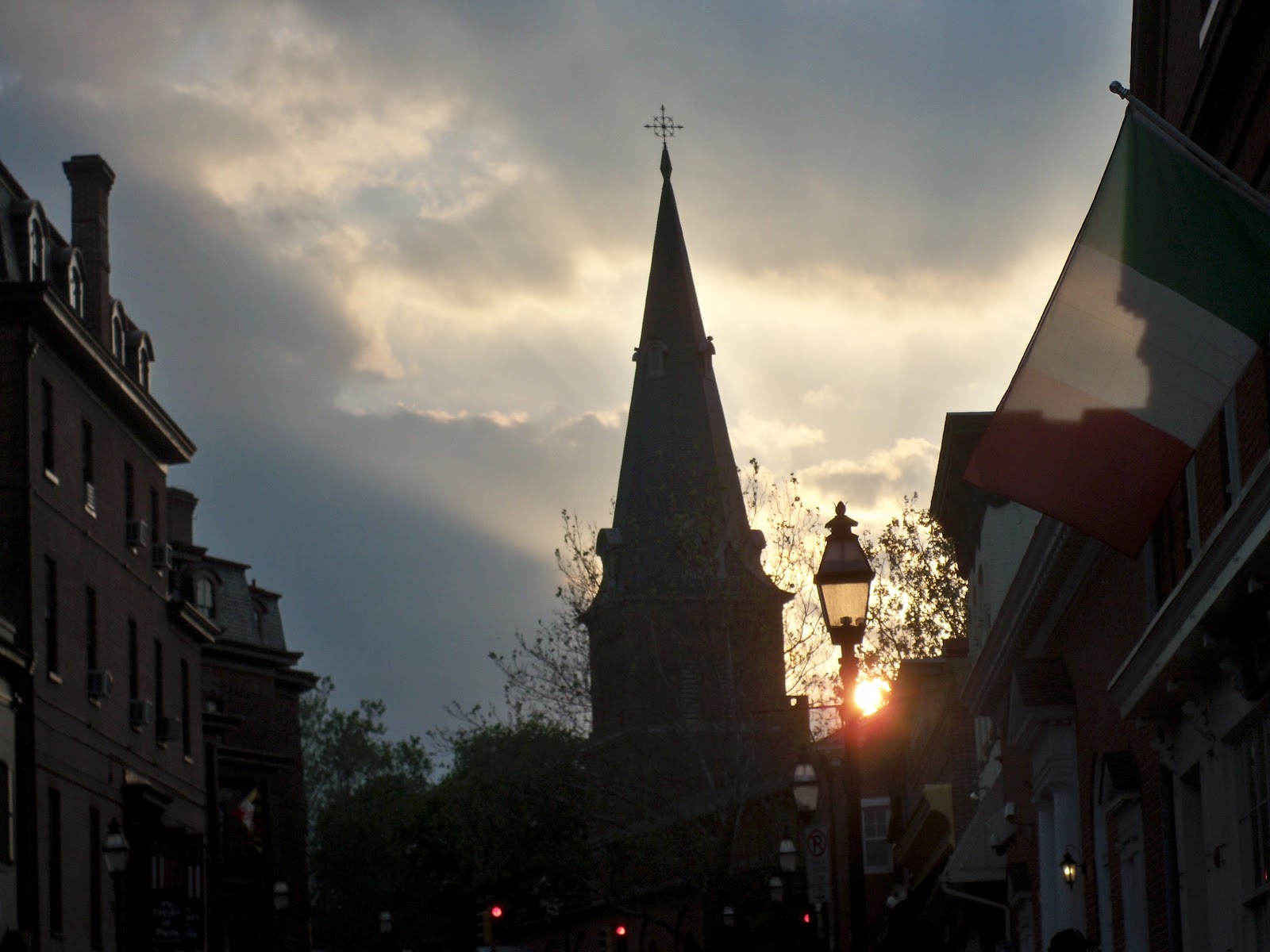
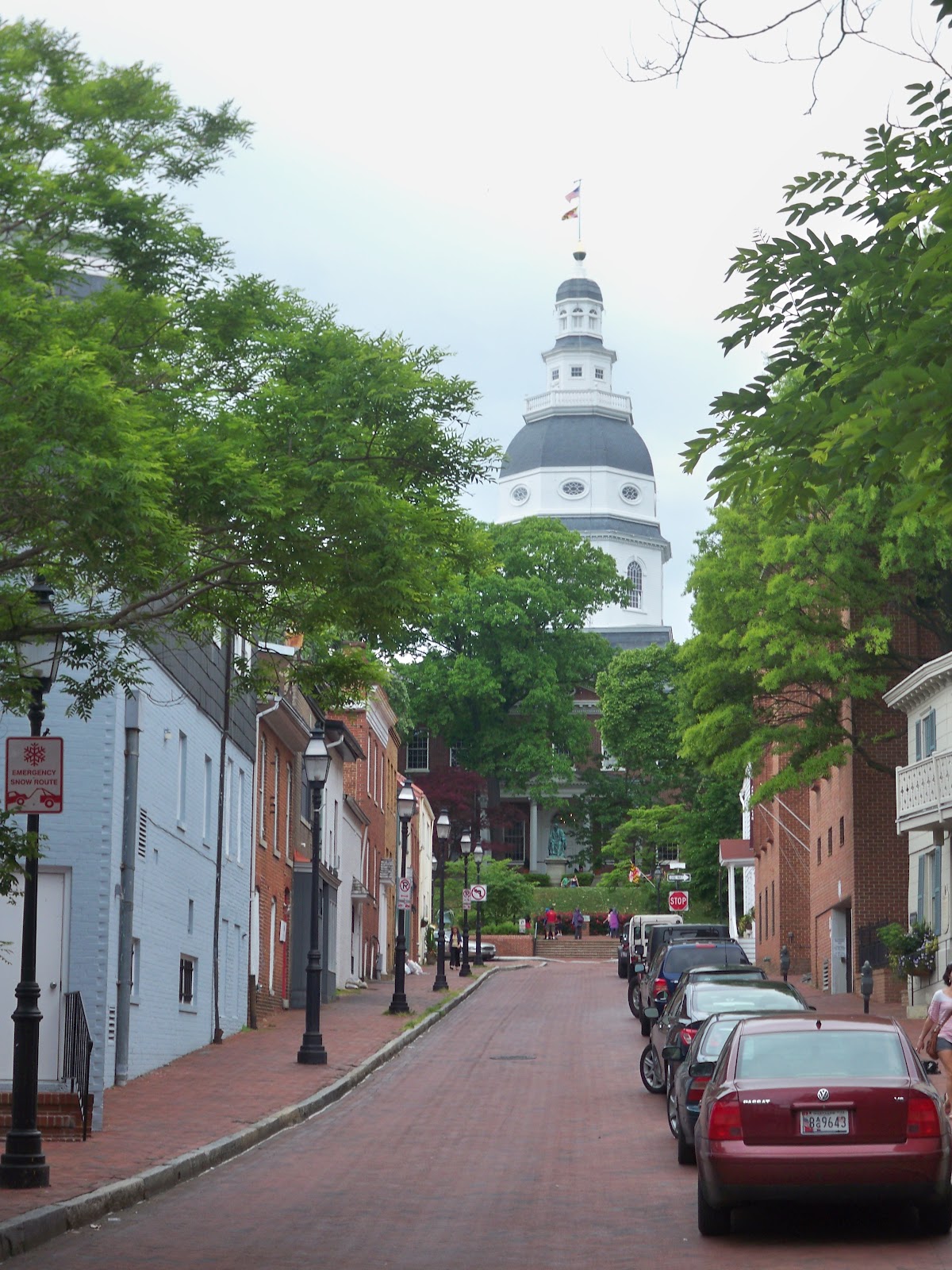
A few hours in Annapolis last Sunday. A day of clouds and sun and midshipmen and women in their dress whites. Checking out the boats in Ego Alley, browsing for prints at Creative Impressions, having dinner at Chick and Ruth’s Delly, stopping for scoops at the Annapolis Ice Cream Company.

On the way home, I peer in the window of a real estate office. It’s a stretch, I know, but it’s fun to fantasize. A morning like this one: cool and brisk, a walk along the water, picking up the paper in a coffee shop, strolling home past people and places we would come to know. A touristy town, I know. But underneath it all still a hometown, a small town where all sorts of people jostle together.

Most of all: not the suburbs.

Eye Candy

Eye Candy

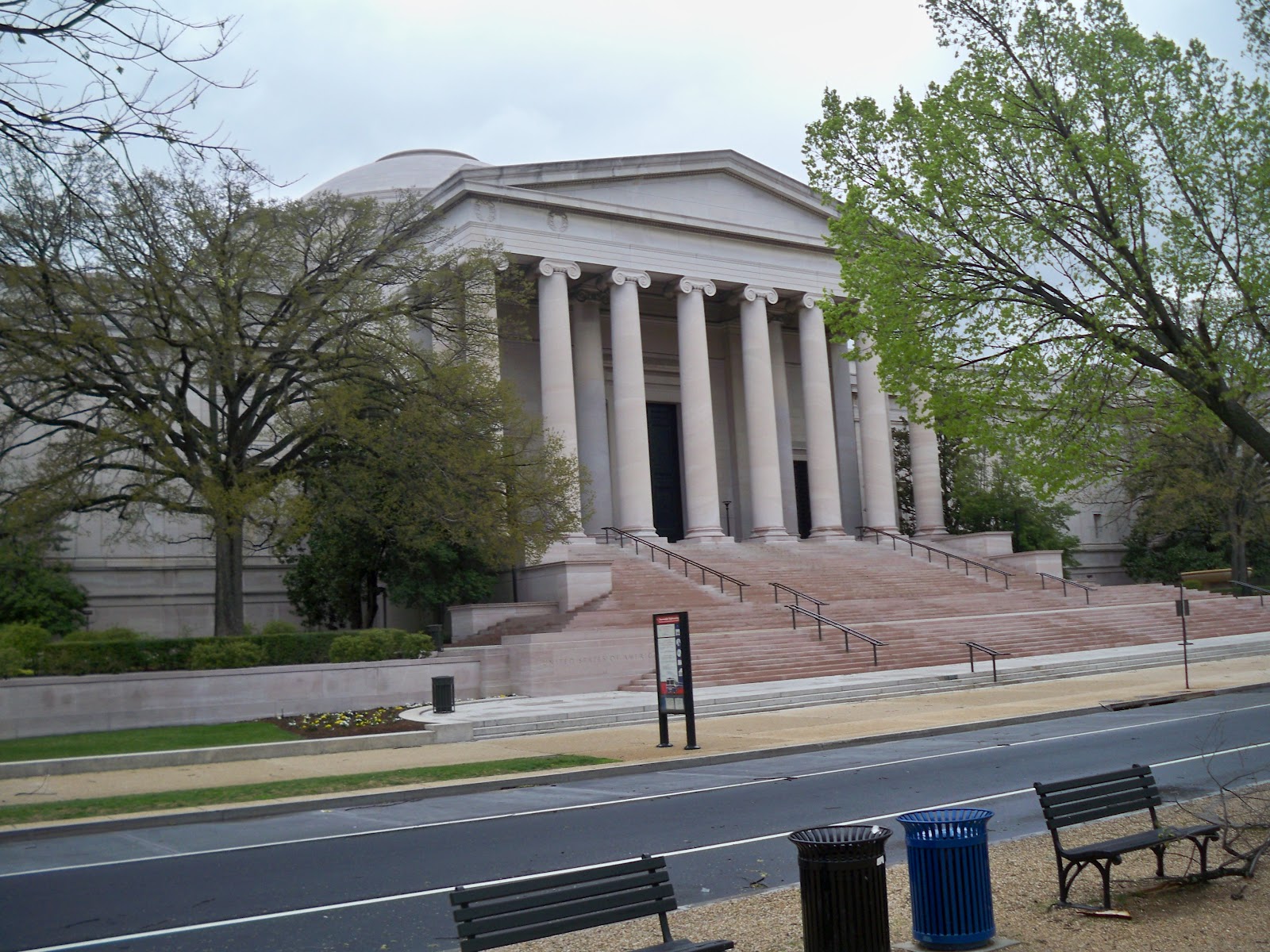
I chose the walk because of what I would see. Not the usual scenery. So I turned left on Third Street, cut across through the courts complex, past the Canadian Embassy and on to a series of plazas. It was the flip side of the Mall, the downtown side of the National Archives, heading toward the White House but never actually there.

There were fountains and chairs and people. Many had just picked up their lunch. They carried fast food bags or pizza boxes or salad containers. (Is there a hierarchy here, I wondered.)

Rain was in the forecast, and people scurried as if at any moment they would have to run. All around me was bustle and commerce and, most of all, new sights to see. I moved through it all quickly, wanting to look and not to think.

It was eye candy, I told myself.  When the landscape grows predictable, vary the route.