Comparisons

Comparisons


I am searching for a wireless network in the suburbs. I wind up at Starbucks. It’s tough not to compare this one with the one I just frequented in Manhattan. This one is cool and calm and you can hear the music.

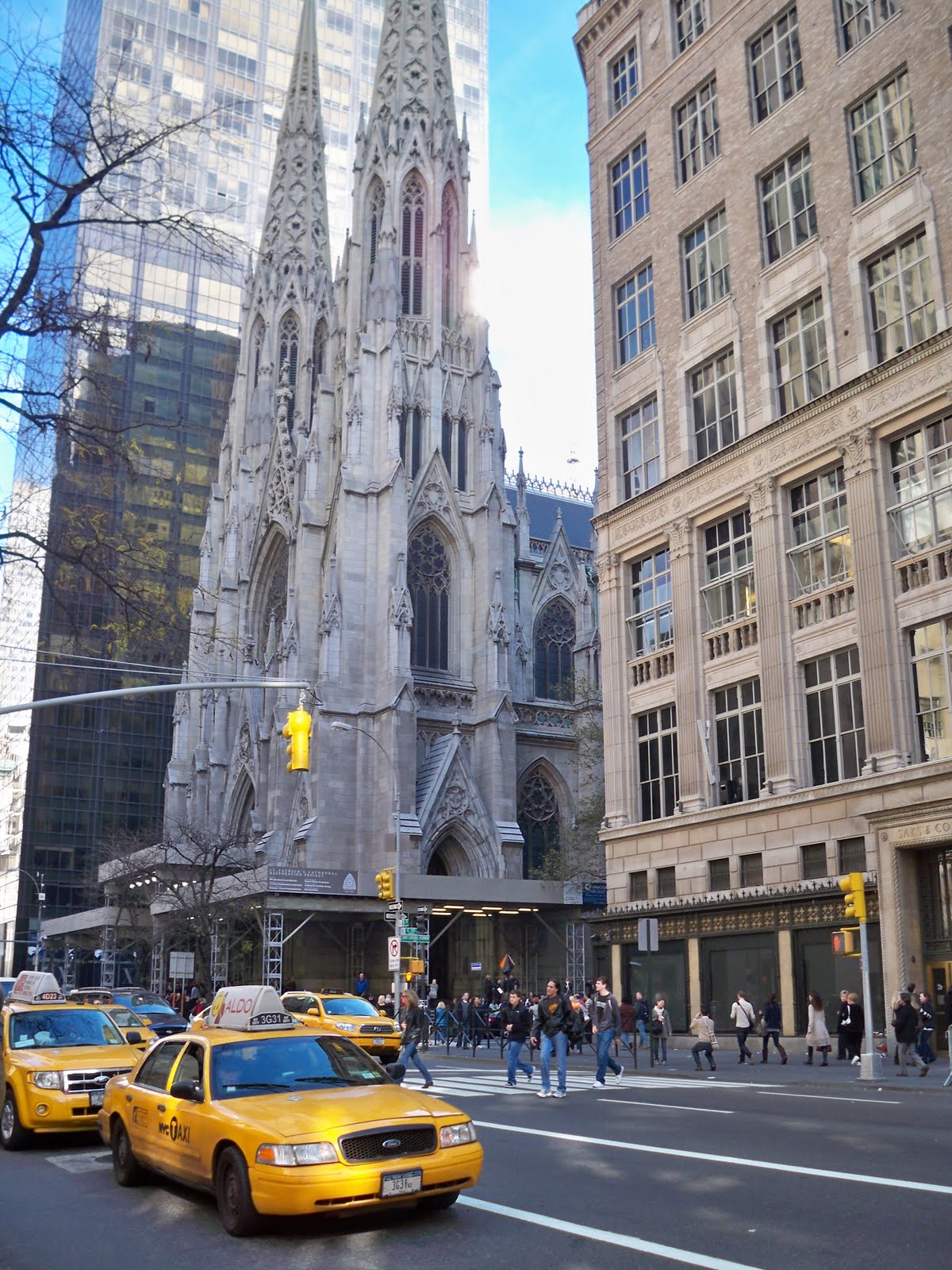
The one on 7th Avenue was loud and crazy and hopelessly behind. Lines formed at all times of the day. There were no seats. Outside, human beings of every size and description formed an endless parade on the thoroughfare.

I live in the suburbs now. I write about the suburbs. I wouldn’t want to live in a small apartment in a huge city anymore.

But I notice the differences, and I miss the place. And most of all, I miss the person I am when I’m there.
The Feet

The Feet


I forgot the cardinal rule of walking in Manhattan — always wear tennis shoes, no matter how dorky you look. But I was lured by the heat and by my comfortable sandals to think I could walk 10 miles in them. And I couldn’t. Now I am a limper in the suburbs. Wounded but unbowed.

A Moving Post

A Moving Post


Today I write from the New Jersey turnpike, a rider on the highway instead of a walker in the suburbs. That I can do such a thing amazes me. So I write with a grateful heart on a bouncy laptop.

Yesterday I visited Central Park, and when I started strolling uptown I felt both wired and slow; I wanted to move more quickly. I wanted to ride a bike. There’s quite a brisk bicycle-rental business now at the 59th Street entrance and soon I was pedaling around the big park loop: zooming past the boat basin and the Met on the east side, up a small hill to Harlem at the north end, then past a noisy blue swimming pool.

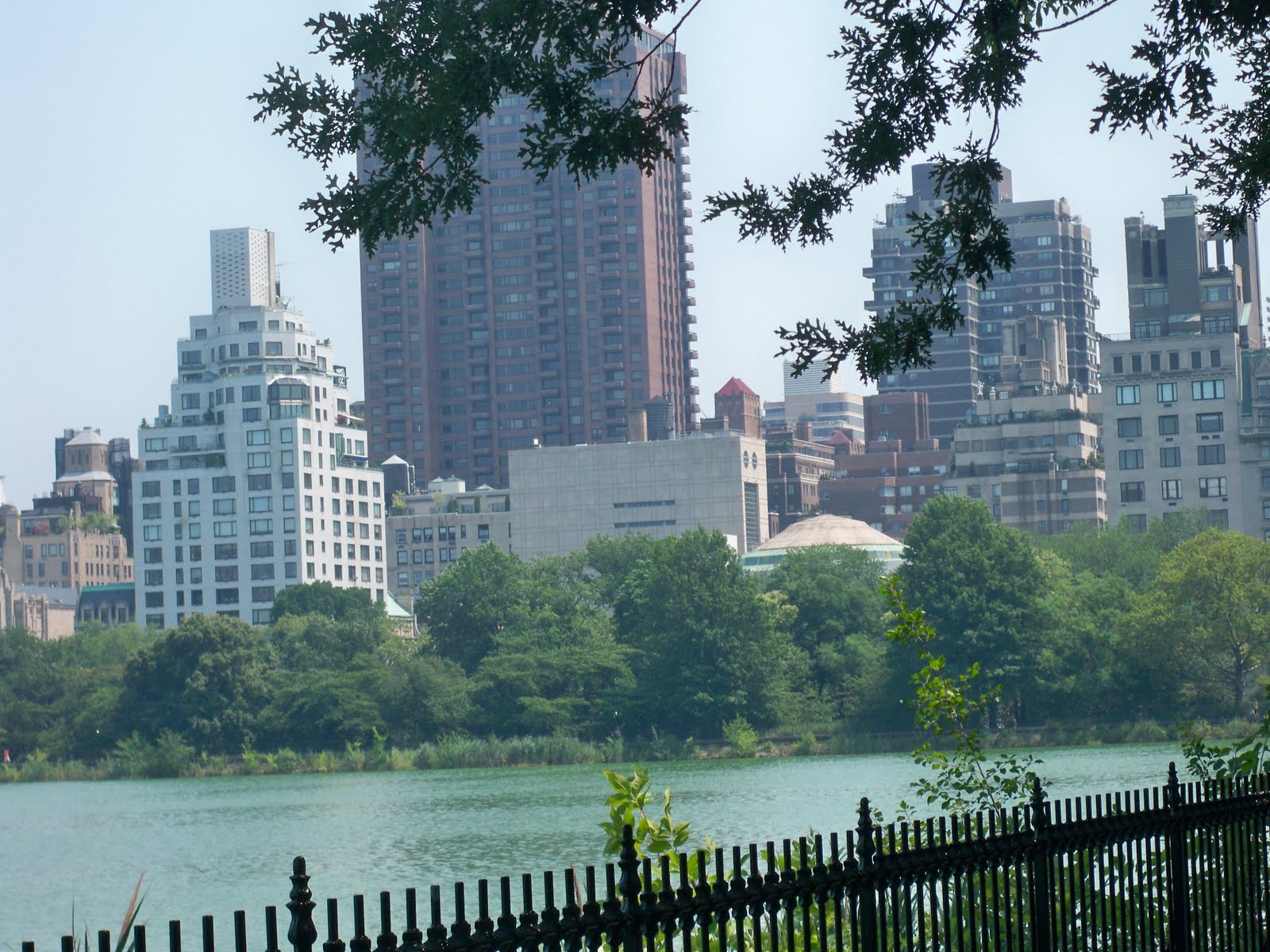
I dismounted at the reservoir, which was my running track when I lived on the Upper West Side many years ago. There were the familiar curves in the path, the lapping water, the St. Remo Towers looming above it all. Coming back on the bridle path under an ornate metal bridge, I thought about the many times I’d walked around that large pond, how much my life had changed since then, but how the pond was still there, more or less the same.

It was early afternoon on a fine hot summer day, and I was back in Manhattan. Right then, that was enough for me.

The High Line

The High Line


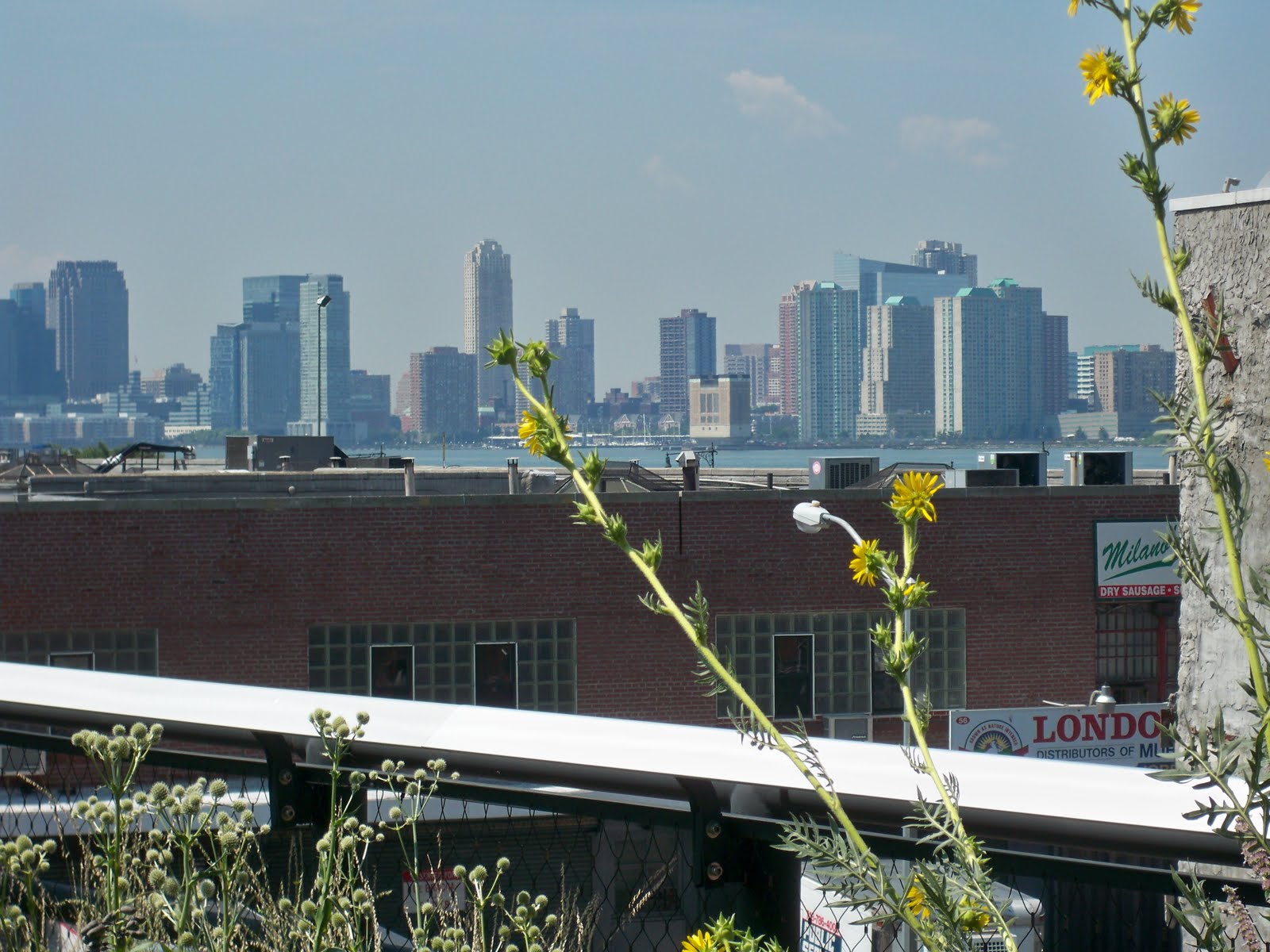
On the High Line in Manhattan, I’m thinking of space. How this space was created literally out of thin air — well, that, and an old trunk line and the prodigious dreams of its founders. And how because of this space, a ribbon of elevated parkland in a city desperately in need of a air and greenery, so many other spaces have been created. Chic buildings in what used to be a western wasteland. A skate park at the northern terminus. Viewpoints and wading walks and art installations, soon a gallery at the southern end.

And it’s all built around walking. Moving through space. Creating, with our movement, a space both public and private.

City Steps

City Steps


I became a runner when I lived in Chicago, but I became a walker when I lived in New York. I ran here, too, looped the reservoir a couple of times in the morning when I lived off Central Park and, when I lived downtown, made the World Trade Center my turnaround point.

But when I think of locomotion in New York City, I think of walking most of all. Because it is so crowded here, walking can feel like navigating, looking down at the feet coming toward you, figuring out how to sidestep them. It’s a choreography, a dance. But when you hit an open stretch of pavement you can rev into high gear.

Then the short blocks fly by and the bridges, too. And all the faces coming toward you seem full of good will, though you know it’s the endorphins making you feel that way. But you don’t care because you’re walking, no flying, down the streets of New York, and you feel like you’re home again.

Both Sides

Both Sides


On a
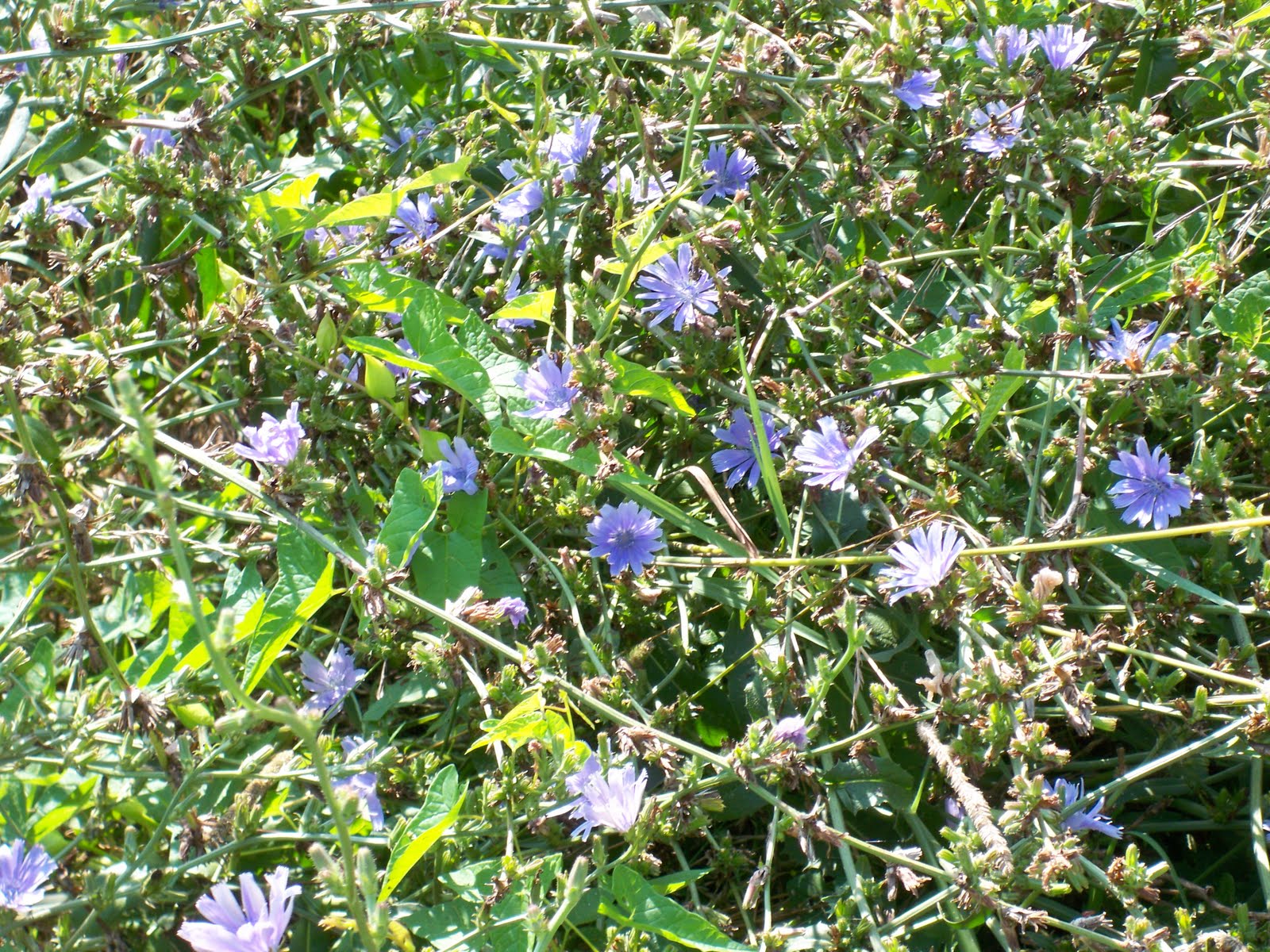
walk down the West Ox path today, one stretch was lined with wild chickory, the blue flowers nodding over the path, almost crowding me out. I felt like I was strolling along a flower-strewn walk in an English country garden. The wild plants will do that to you, will mimic, with their colors and arrangement, the artlessness of the planned landscape.

But then again, some designed landscapes, Central Park, for example, are a controlled version of nature with stream, foliage and vista. Makes me think we need a little of both — wild and free; prim and controlled — in our gardens and in our lives.

Checking My Email

Checking My Email


The significance of the title is not the meaning of the word email. It’s the lack of hyphen. Until recently, according to the editor’s bible — or one of them, the AP Stylebook — email was e-mail. Then e-mail went the way of Web site, and things haven’t been the same since.

The magazine I edit bases its style on AP’s, and so I dutifully changed Web site to website when that alteration was announced last year. But I missed the memo on email. This morning’s newspaper tells me why. The Washington Post has kept the hyphen, so I remained oblivious to the change.

Why do these things matter so much? The fine article in today’s Post explains that, too, quoting David Minthorn, deputy standards editor of the Associated Press. “We’re not a bunch of old fogies sitting around in our ivory tower. We’re alive to changes and new ideas. We have a real sense that new words and changes in language reflect the culture and give us an inkling to where society is headed.”

Think of editors as warriors, standing guard over a culture where standards don’t matter, insisting — with their sharpened pencils — that they do.

Safe Haven

Safe Haven


For many years now we’ve had more than one teenager in our family. Today, as Claire celebrates her 20th birthday, we only have one.

I’ve been thinking a lot about adolescence lately, its pains and its challenges mostly, its crabwise path — often sideways rather than straight up or down. The circuitous road to freedom and responsibility.

I’ve read enough history to know that Western adolescence is a relatively new creation. Kids used to grow up a lot faster behind a plow or on a factory floor. A common metaphor for young adulthood now, of course, is a launching pad. A place where our young ones perch lightly on their way out of the nest.

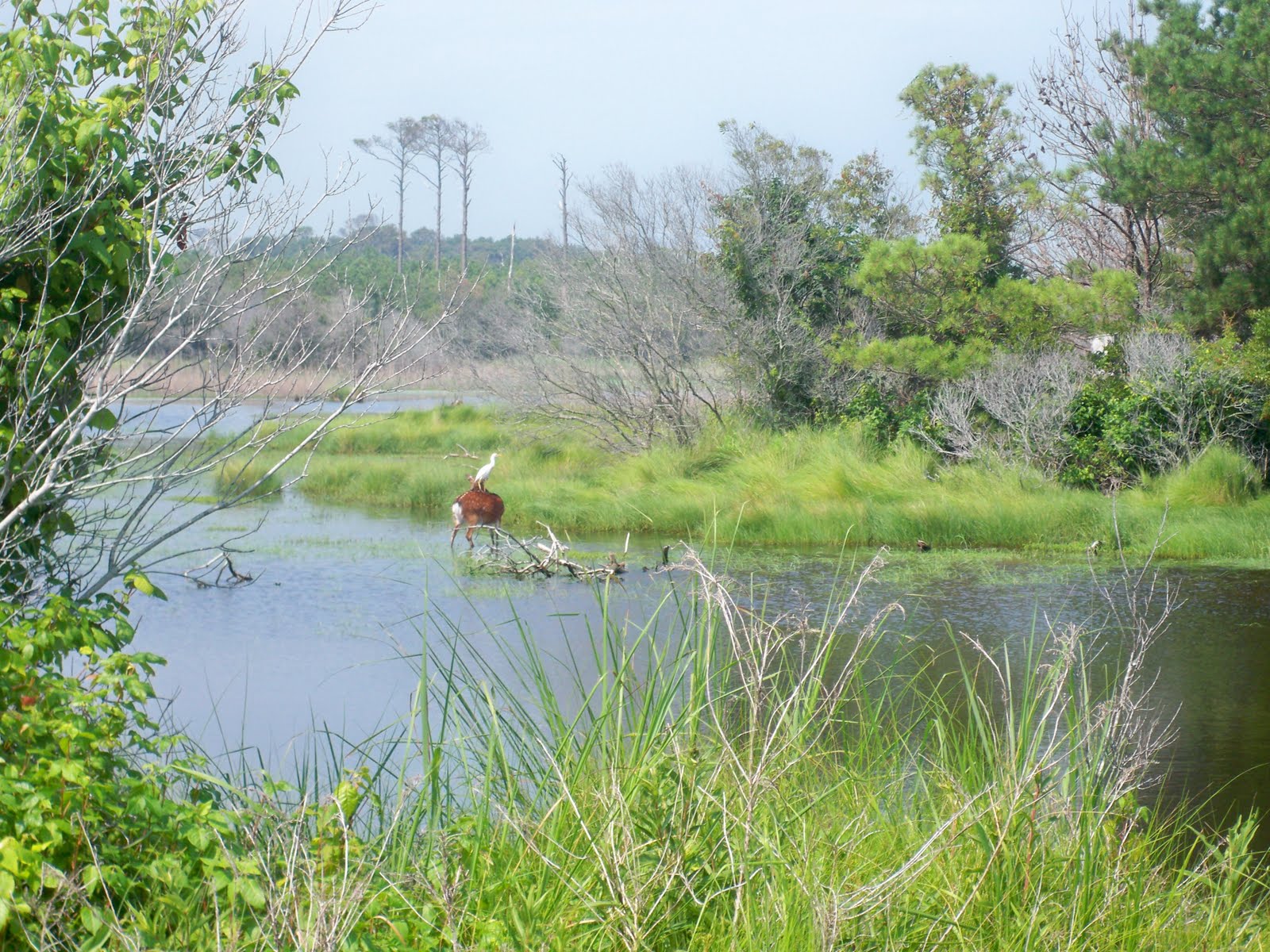
Look closely at this photo and you’ll see the egret on the deer’s back. An unlikely pair — as unlikely perhaps as middle-aged parents and their teenage offspring. But the deer offers her back as solace, as resting place, as safe haven. Stay here a bit until you’re ready to fly farther. You know you’re safe here. We have your back — and you have ours.

Pony Swim

Pony Swim


Today is the last Wednesday of July — the annual Pony Swim in Chincoteague. It’s the day when “saltwater cowboys” herd wild ponies across Assateague Channel at low tide for an auction held the next day. Proceeds from pony auctions through the years have helped finance the Chincoteague Volunteer Fire Company. And auctioning off some ponies each year keeps the herd to a manageable 150.

The day I drove home from Chincoteague earlier this month there was an article in the paper about wild horses biting campers, stealing their food and otherwise being canny and uncooperative. I pointed out to folks that the article was about the wild ponies of Maryland; they were the ones who were acting up. The wild ponies of Virginia are probably too busy fending off mosquitoes to get into any further mischief.

I’ve never seen the Pony Swim, but I know the place well enough now that I can imagine it. The sun will shine flat upon the water, the lighthouse will loom picturesquely in the background and the charm of an old custom will unfold in a town that most days, except this day, time seems to have forgotten.

Photo from Chincoteague Facebook page

Complementary

Complementary


I’ve never considered myself a color expert, a landscape designer or, heaven forbid, an interior decorator. But I know what I like about color. It’s the contrast, the way one end of the wheel brings out the other.

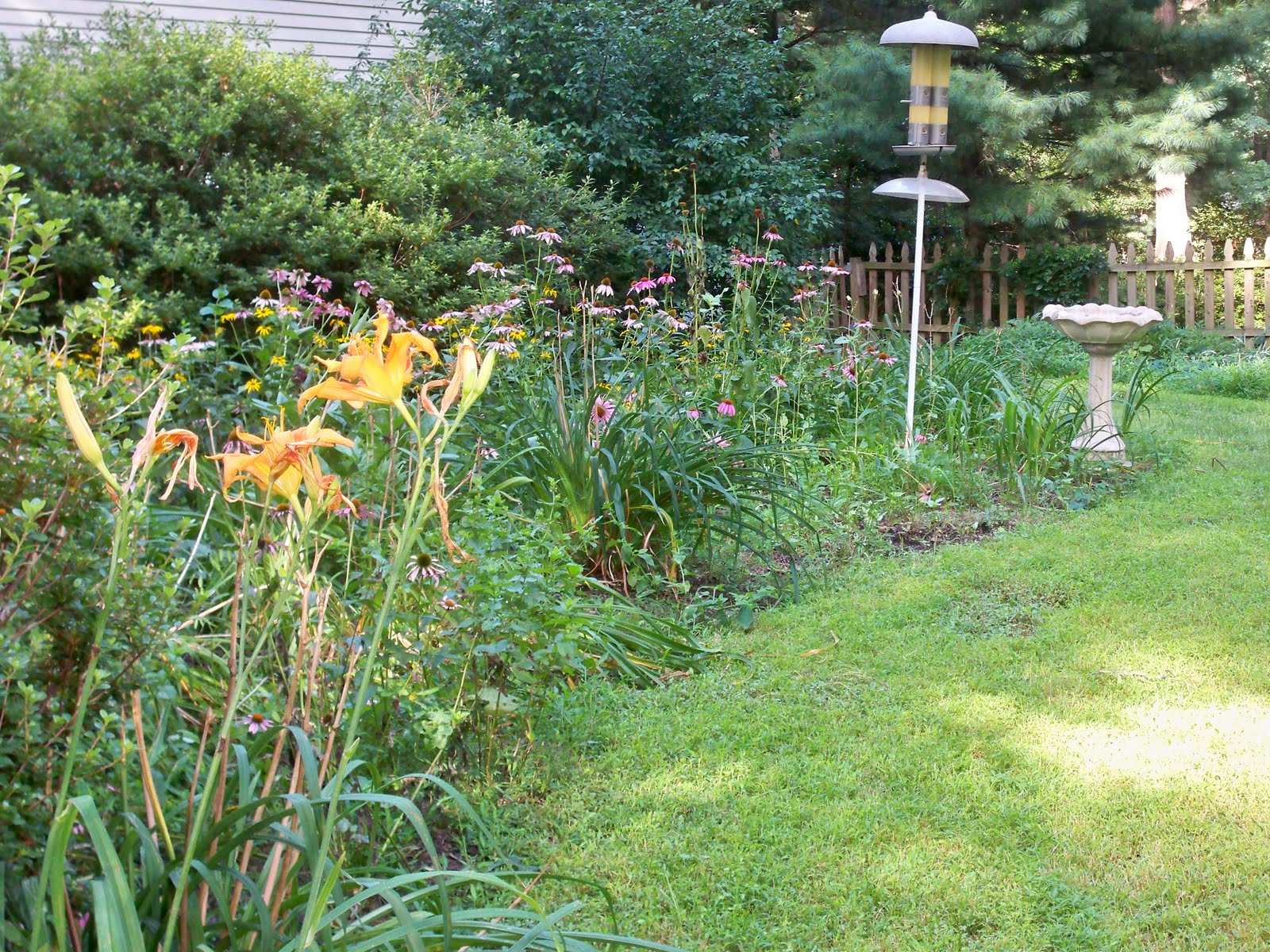
It’s the profusion of complementary shades in the summer garden. Our neighbor’s, for instance (not pictured here; this is ours), with tall zinnias of yellow, orange and pink all mixed in with the sturdy dusky rose coneflowers.

As for us, we’ve had orange day lilies, yellow black-eyed susans and pink coneflowers all together, and, if you look at them from the right angle, you can see a purple hydrangea in the foreground, too. These bright mingling hues are enough for now. They are meant to go together; they are pleasant on the eyes.